

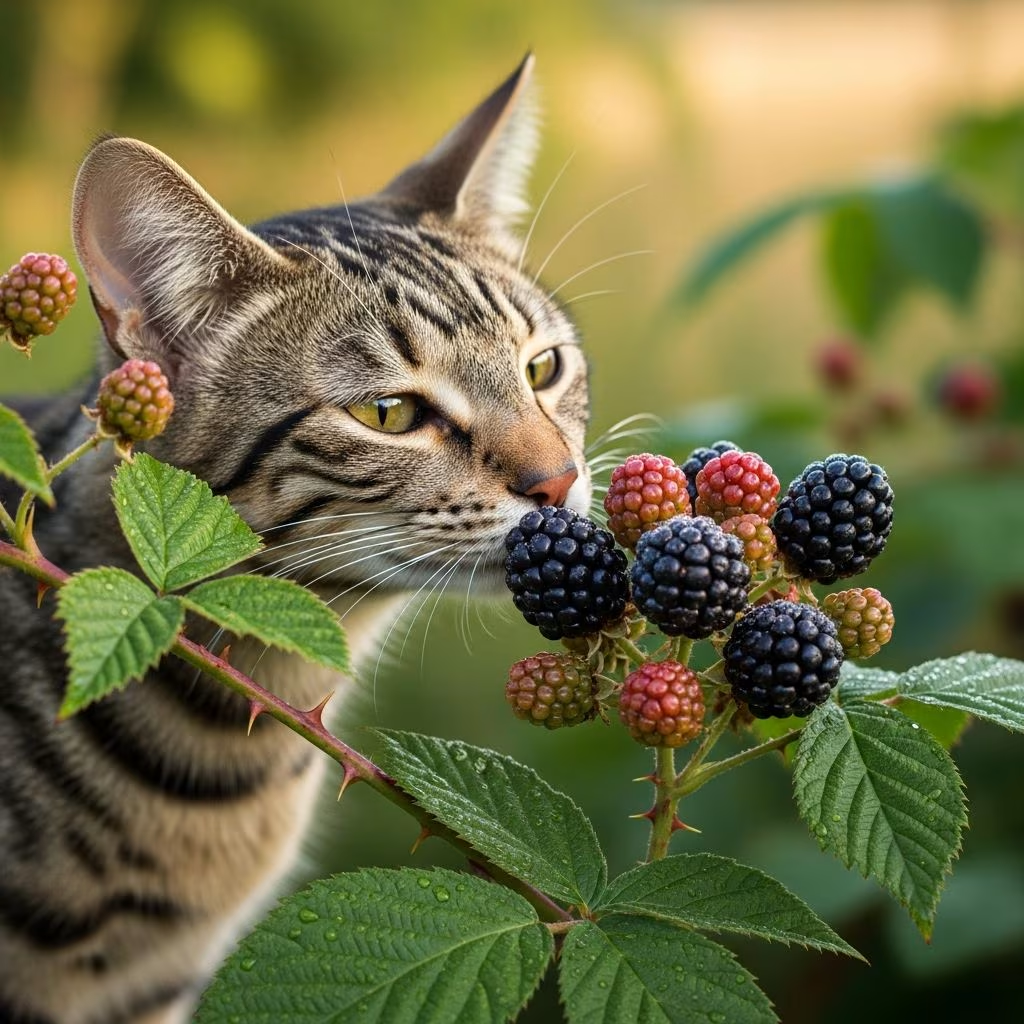
Blackberries are a delicious summer fruit packed with nutrients, but can cats eat blackberries safely? The short answer is yes, blackberries are non-toxic to cats and can be offered as an occasional treat in small amounts. As obligate carnivores, cats derive most nutrition from meat, so fruits like blackberries should never replace their balanced diet. This article explores the safety, health benefits, potential risks, feeding guidelines, and answers common questions to help you decide if blackberries suit your feline friend.
Are Blackberries Safe for Cats?
Blackberries pose no toxicity risk to cats—there’s nothing in the fruit, leaves, stems, or roots that is harmful. Your cat can safely nibble on a few berries without concern for poisoning. Even wild blackberries are fine, allowing outdoor cats to forage harmlessly in bramble patches. However, moderation is crucial since cats’ digestive systems are optimized for protein, not plant matter. A small handful might cause mild stomach upset like diarrhea if overconsumed due to natural sugars and fiber.
Cats are obligate carnivores, meaning their bodies prioritize animal-based proteins and fats over carbohydrates from fruits. While a couple of blackberries (about 5-9 calories) won’t derail their health, exceeding 10% of daily caloric intake from treats can lead to nutritional imbalances. Always wash berries thoroughly to remove pesticides, and introduce them gradually to monitor tolerance.
- Key Safety Points:
- Non-toxic fruit, leaves, and stems.
- Safe in small quantities: 1-2 berries per treat session.
- Wash well to eliminate chemicals.
- Observe for reactions like vomiting or lethargy.
Do Blackberries Have Any Health Benefits for Cats?
Yes, blackberries offer modest nutritional perks as a supplemental treat. They’re among the most nutrient-dense fruits, rich with antioxidants, vitamins, and fiber that can complement a cat’s meat-based diet. Though cats produce their own vitamin C and don’t strictly need these nutrients, small amounts provide bonus support without harm.
Antioxidants like polyphenols combat free radicals, potentially aiding immune function and reducing oxidative stress. Emerging research explores antioxidants for conditions like osteoarthritis and kidney disease in pets, though feline-specific studies are limited. Fiber promotes digestion and regular bowel movements, while vitamins K and E support blood clotting and cellular health. Manganese aids bone development and metabolism.
| Nutrient | Benefit for Cats | Source |
|---|---|---|
| Antioxidants (Vitamin C, E) | Immune support, fights free radicals | |
| Fiber | Aids digestion, prevents constipation | |
| Vitamin K | Blood clotting, cellular health | |
| Manganese | Bone health, metabolism |
These benefits are minor given the tiny portions cats should eat—don’t expect blackberries to transform your cat’s health. Prioritize complete commercial cat food meeting AAFCO standards for essential taurine and other needs.
Potential Risks of Feeding Blackberries to Cats
While safe, blackberries aren’t risk-free. High fiber and sugar content can cause diarrhea, vomiting, gas, or bloating if fed excessively, as cats lack enzymes to fully break down plant sugars. Seeds are small and usually pass harmlessly but pose a choking hazard in quantity.
Allergies or sensitivities affect some cats, manifesting as itching, swelling, or GI distress. Processed blackberries (canned, in syrup, or with xylitol) are dangerous—artificial sweeteners like xylitol are toxic, causing hypoglycemia or liver failure. Fermentation in the gut from large amounts may lead to discomfort.
- Risks to Watch:
- Digestive upset (diarrhea, vomiting).
- Choking on seeds or whole berries.
- Allergic reactions (rare).
- Toxicity from sweetened products.
To minimize risks, mash berries, remove stems/leaves, and limit to occasional treats. Discontinue if adverse symptoms appear and consult a vet.
How to Safely Feed Blackberries to Your Cat
Follow these steps for safe incorporation:
- Choose Fresh, Organic Berries: Opt for ripe, firm blackberries without mold. Organic reduces pesticide exposure.
- Prepare Properly: Wash under running water, pat dry, remove stems/leaves, and cut/mash into small pieces to prevent choking.
- Portion Control: Start with 1/4 to 1/2 berry, max 1-2 small ones (under 10 calories) 1-2 times weekly.
- Mix In: Blend into wet food or offer plain as a topper for picky eaters.
- Monitor: Watch for 24-48 hours post-feeding. No issues? Gradually increase slightly.
Avoid juice, jams, pies, or anything processed. Fresh is best. Treats should complement, not compete with, meals.
When to Avoid Feeding Blackberries to Your Cat
Not all cats should eat blackberries. Skip them if your cat has:
- Diabetes or obesity—natural sugars spike blood glucose.
- GI issues like IBD—fiber exacerbates symptoms.
- Food allergies—risk of reaction.
- Kitten, senior, or compromised health—stick to vet-approved diets.
Always consult your veterinarian before new foods, especially with medical conditions or medications.
Related Fruits: What Other Berries Can Cats Eat?
Blackberries aren’t alone—similar safe berries include:
- Blueberries: Antioxidants, low calorie.
- Cranberries: Urinary health support, vitamins.
- Strawberries: (small pieces) Fiber, vitamin C.
Unsafe: Grapes/raisins (kidney toxic), cherries (pits cyanide).
Frequently Asked Questions (FAQs)
Are blackberry leaves or stems safe for cats?
Blackberry leaves and stems are safe but tough to digest, potentially causing irritation. Remove them before feeding.
Can blackberries help improve my cat’s health?
They offer antioxidants and fiber for minor immune/digestion support, but a meat-based diet is primary. Benefits are supplemental.
What if my cat eats too many blackberries?
Expect possible vomiting/diarrhea. Withhold food, offer water, monitor; contact vet if persists.
Can cats have blackberry juice?
Avoid—often contains sugars/preservatives upsetting stomachs. Stick to fresh berries.
How many blackberries can I give my cat daily?
None daily—occasional 1-2 berries max, under 10% calories.
Summing Up
Blackberries are a safe, nutritious occasional treat for most cats, delivering antioxidants, fiber, and vitamins without toxicity risks. Feed sparingly, prepare properly, and observe reactions to enhance your cat’s diet safely. When in doubt, prioritize vet-recommended foods and consult professionals for personalized advice. Your cat will thrive on protein-rich nutrition with fruits as fun bonuses.
References
- Can Cats Eat Blackberries? Safe or Not? — Zoorithm. 2024. https://www.zoorithm.com/cats/can-cat-eat-blackberrie
- Can Cats Eat Blackberries? Vet-Verified Facts — Huston Veterinary Clinic. 2024. https://hustonveterinary.com/can-cats-eat-blackberries/
- Can Cats Eat Blackberries? Vet-Reviewed Facts & Safety Information — Catster. 2024. https://www.catster.com/nutrition/can-cats-eat-blackberries/
- Can Cats Eat Fruit? A Guide to Safety — Purina US. 2025-01-10. https://www.purina.com/articles/cat/feeding/can-cats-eat/fruits
- Safe and Unsafe Fruits For Dogs & Cats — Preventive Vet. 2024. https://www.preventivevet.com/pets/safe-fruits-for-dogs-and-cats



