

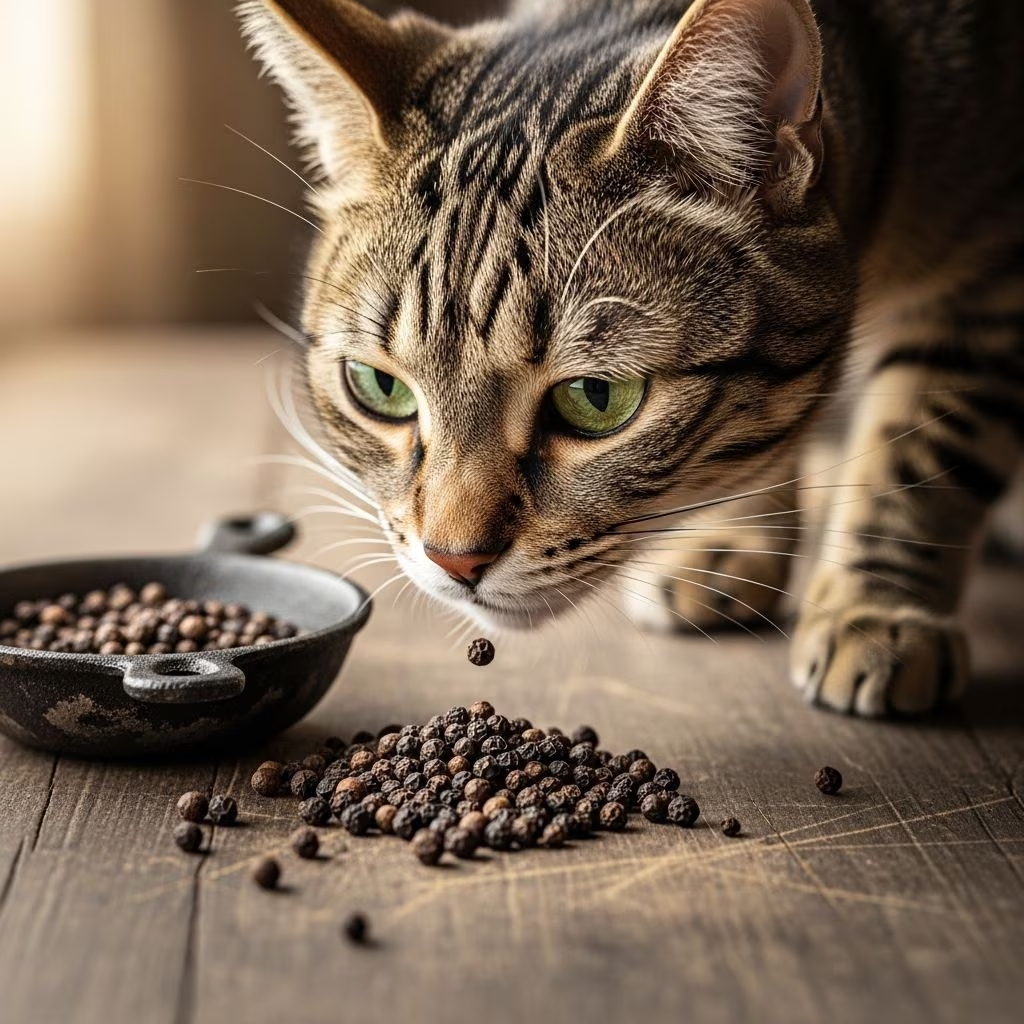
Black pepper is a common kitchen staple that adds flavor to human meals, but it poses risks for cats due to their unique physiology as obligate carnivores. The active compound piperine irritates their sensitive digestive tracts, potentially causing vomiting, diarrhea, sneezing, and more. While not outright toxic like chocolate or onions, even small amounts can lead to discomfort, making it best to keep black pepper away from your feline companion.
Cats lack the enzymes to process plant-based compounds like piperine effectively, leading to gastrointestinal upset. Veterinary sources emphasize that spices disrupt their meat-based diet, and accidental exposure is common in households where cats beg for table scraps. This article explores the dangers, symptoms, what to do in case of ingestion, safe alternatives, and FAQs to help you protect your cat.
Why Is Black Pepper Bad for Cats?
Black pepper’s heat comes from **piperine**, an alkaloid that humans metabolize easily but cats cannot. Cats are obligate carnivores, meaning their digestive systems are optimized for animal proteins and lack the CYP3A4 liver enzyme needed to break down piperine. This results in the compound accumulating and inflaming the gastrointestinal lining.
According to the ASPCA, black pepper is not recommended for cats as it causes gastrointestinal upset. PetMD notes it leads to vomiting or diarrhea due to irritation. Even inhalation of pepper dust can trigger respiratory issues like sneezing or coughing, as cats have highly sensitive nasal passages.
- Digestive Sensitivity: Cats’ short digestive tracts process meat quickly but struggle with spices, leading to rapid onset of symptoms.
- No Nutritional Value: Black pepper offers zero benefits for cats; their diet should consist of taurine-rich proteins, not plant irritants.
- Accidental Exposure Risks: Curious cats may sniff or lick pepper from counters, spills, or seasoned food.
Can Cats Eat Food Seasoned with Black Pepper?
A tiny lick or bite of black-pepper-seasoned food is unlikely to cause severe harm in most cases, but it’s not worth the risk. Other common seasonings like garlic or onion—often paired with pepper—are toxic and can cause hemolytic anemia. Even pepper alone can irritate the mouth, throat, and stomach.
Veterinarians advise against sharing human food. Cats’ heightened sense of smell (14 times stronger than humans) makes even trace amounts off-putting or irritating. If your cat sneaks a morsel, monitor closely, but prevent access by feeding them in a separate area.
| Scenario | Risk Level | Recommendation |
|---|---|---|
| Tiny bite of seasoned food | Low (mild upset possible) | Monitor for symptoms; offer water |
| Multiple bites or direct peppercorns | Moderate to High | Contact vet immediately |
| Inhalation from cooking | Moderate (respiratory) | Remove cat from kitchen; ventilate |
| Spilled peppercorns | High if ingested | Clean up promptly; distract cat |
Symptoms of Black Pepper Ingestion in Cats
Symptoms appear quickly, often within 30 minutes. Early signs include oral and nasal irritation, progressing to digestive distress if untreated.
| Timeline | Symptoms | Required Action |
|---|---|---|
| 0-30 minutes | Drooling, pawing at mouth, sneezing, coughing | Rinse mouth gently with water; offer fresh water |
| 30-120 minutes | Vomiting, diarrhea, lethargy | Contact vet; note amount ingested |
| 2+ hours | Dehydration, refusal to eat, weakness | Emergency vet; may need IV fluids |
Other signs include gagging, decreased appetite, or excessive pawing at the face. Respiratory symptoms like wheezing warrant immediate care, as VCA Animal Hospitals notes cats’ sensitive systems amplify spice effects.
What to Do If Your Cat Eats Black Pepper
Act swiftly but calmly. Do not induce vomiting, as it can exacerbate esophageal irritation.
- Remove Access: Clear any remaining pepper or food to prevent re-exposure.
- Hydrate: Offer fresh water to flush the mouth and soothe the stomach.
- Monitor: Watch for worsening symptoms like persistent vomiting or breathing issues.
- Contact Vet: Call your veterinarian with details on amount and time of ingestion. They may recommend observation or fluids.
- Emergency Signs: Seek immediate care for dehydration, blood in vomit, or distress.
Prompt action prevents complications. Keep your vet’s number handy and consider pet insurance for peace of mind.
Are There Any Safe Alternatives or Herbs for Cats?
Skip spices entirely. Cats thrive on unseasoned, high-quality commercial foods meeting AAFCO standards. For flavor or digestion, vet-approved options include:
- Plain Cooked Pumpkin: (Not pie filling) High in fiber for mild constipation; 1 tsp per meal max.
- Catnip or Catmint: Safe herbs for stimulation and appetite without irritation.
- Plain Meats: Boiled chicken or turkey provides natural taste and protein.
- Commercial Treats: Spice-free options formulated for cats.
Never experiment with human herbs like basil or oregano without vet approval, as some cause similar irritations. Consult for personalized advice, especially for cats with health issues.
Prevention Tips: Keeping Spices Away from Cats
Proactive steps minimize risks in multi-pet households.
- Store spices in sealed cabinets or cat-proof containers.
- Cook with cats out of the kitchen to avoid airborne particles.
- Clean spills immediately using a damp cloth.
- Use cat feeders with portion control to discourage begging.
- Educate family on no table scraps rule.
A balanced diet prevents nutritional gaps that tempt owners to “enhance” food with unsafe additives.
Frequently Asked Questions (FAQs)
Can cats eat black pepper safely?
No, black pepper irritates cats’ digestive and respiratory systems, potentially causing vomiting, diarrhea, sneezing, or discomfort even in small amounts.
What are the symptoms of black pepper ingestion in cats?
Common signs include drooling, pawing at the mouth, sneezing, vomiting, diarrhea, lethargy, and respiratory distress.
Is black pepper toxic to cats?
Not lethally toxic like xylitol, but piperine causes significant irritation and upset. Any amount risks symptoms.
What should I do if my cat ate black pepper?
Remove access, offer water, monitor closely, and contact your vet. Do not induce vomiting.
Are there benefits to feeding cats black pepper?
No nutritional benefits; it offers no value and only potential harm to their species-appropriate diet.
Can cats have seasoned food with black pepper?
Avoid it—other toxic ingredients like garlic may be present, and pepper itself irritates.
Closing Thoughts
While a one-off exposure to black pepper may not harm your cat severely, it’s unsuitable for their diet and best avoided entirely. Prioritize prevention, recognize symptoms early, and stick to vet-recommended foods for optimal health. Your cat’s obligate carnivore needs are met through plain, balanced nutrition—no spices required. Always consult your veterinarian before dietary changes to ensure your furry friend thrives.
References
- Can Cats Have Black Pepper? Vet-Backed Safety Facts — Alibaba Spice Basics. 2024-05-15. https://spice.alibaba.com/spice-basics/can-cats-have-black-pepper
- Can Cats Eat Black Pepper? Safety & Risks Explained — Zoorithm. 2024-08-22. https://www.zoorithm.com/cats/can-cat-eat-black-pepper
- Can Cats Eat Black Pepper? Vet-Approved Precautions & Alternatives — Catster. 2025-03-10. https://www.catster.com/nutrition/can-cats-eat-black-pepper/



