

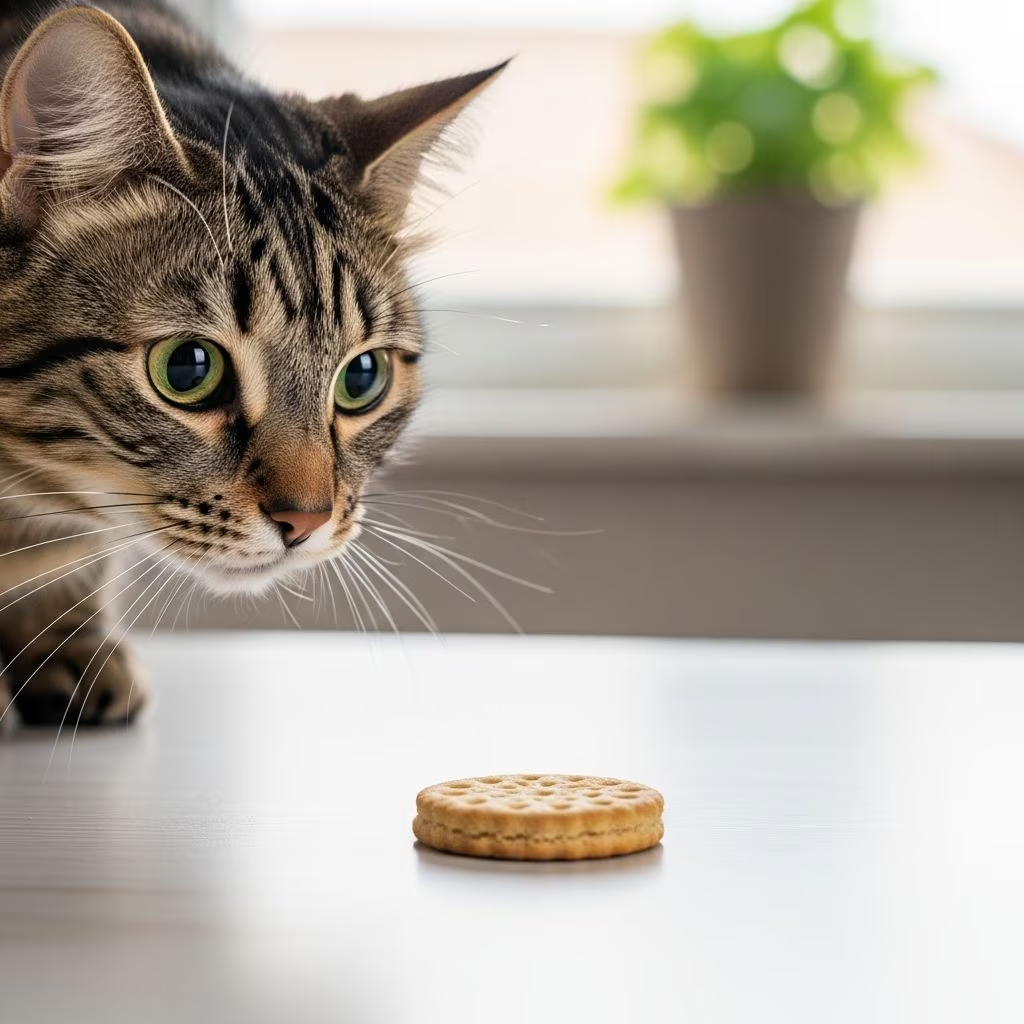
Cats are obligate carnivores, meaning their diet should primarily consist of meat-based proteins rather than carbohydrates or sugars found in human biscuits. While a tiny piece of plain biscuit occasionally won’t likely cause immediate harm, regular feeding can lead to health issues like digestive upset, obesity, and nutritional imbalances. This article examines the nutritional profile of biscuits, potential risks, safe feeding guidelines, problematic varieties, and superior treat alternatives to keep your cat healthy and happy.
Are Biscuits Good for Cats?
Biscuits are not nutritionally beneficial for cats and should not form part of their regular diet. Human biscuits typically contain wheat flour, fats, sugars, salt, and leavening agents like baking powder, providing empty calories without essential taurine, amino acids, or vitamins cats require. Cats lack the enzymes to efficiently digest complex carbohydrates, leading to poor nutrient absorption and potential deficiencies over time.
Although biscuits offer some protein from flour, it’s insufficient and incomplete for feline needs. High starch content converts to fat, promoting weight gain, while saturated fats increase risks of pancreatitis and hepatic lipidosis. Moderation is key: biscuits might satisfy curiosity but displace vital nutrients from commercial cat food formulated for obligate carnivores.
Are Biscuits Harmful to Cats?
Biscuits can harm cats primarily through poor digestibility and excess additives. High carbohydrate levels cause stomach upset, vomiting, or diarrhea since cats’ short digestive tracts aren’t designed for grains. Sodium content risks dehydration, kidney strain, and hypertension, especially in seniors or those with heart conditions.
Sugars contribute to obesity, diabetes, and dental plaque, while artificial preservatives or flavors may trigger allergies like itching or gastrointestinal distress. Long-term, these empty calories lead to malnutrition by crowding out protein-rich meals. Plain biscuits fare slightly better than flavored ones, but all pose risks if overfed.
What Is an Appropriate Amount of Biscuit to Give My Cat?
Limit biscuits to tiny crumbs—less than 10% of daily calories—to minimize harm. An average adult cat needs about 200-300 calories daily, and one small biscuit can exceed 50-100 calories, representing a significant portion. Offer no more than a pea-sized piece once a week, broken into tiny bits to prevent gulping and choking.
Factors influencing safe amounts include age, weight, activity level, neuter status, and health. Kittens, seniors, or overweight cats should avoid them entirely. Always supervise and monitor for adverse reactions like vomiting or lethargy. Consult a vet for personalized advice, prioritizing commercial treats over human foods.
What Types of Sweet Biscuits Are Especially Problematic for Cats?
Sweet biscuits amplify risks due to high sugar content, which cats can’t taste well but still metabolize poorly, leading to rapid blood sugar spikes, obesity, and tooth decay. Chocolate chip or raisin varieties are outright toxic: theobromine in chocolate causes vomiting, seizures, rapid heart rate, and potentially death, even in small doses.
- Chocolate biscuits: Contain theobromine and caffeine, toxic to cats; symptoms include hyperactivity, tremors, and organ failure.
- Raisin biscuits: Raisins cause acute kidney failure; even tiny amounts can be fatal.
- Sugary cookies: Excess glucose leads to diabetes risk and hyperactivity.
Avoid all sweetened biscuits; opt for vet-approved low-sugar cat treats if indulging.
What Types of Savory Biscuits Are Especially Problematic for Cats?
Savory biscuits often pack high salt, fats, and toxic flavorings harmful to cats. Onion or garlic-infused varieties (common in gravy or cheese biscuits) contain N-propyl disulfide, damaging red blood cells and causing hemolytic anemia, weakness, and liver damage.
- High-salt crackers: Excess sodium strains kidneys, causing thirst, urination issues, and hypertension.
- Cheese or herb biscuits: Dairy can cause lactose intolerance symptoms like diarrhea; herbs like chives are toxic.
- Gravy accompaniments: Often laced with onions/garlic, leading to severe poisoning.
Even plain savory types overload on fats and carbs, risking pancreatitis. Steer clear and choose plain, unseasoned options sparingly if at all.
The Dangers of Feeding Your Cat Biscuits
Beyond immediate toxicity, regular biscuit feeding invites chronic issues. Carbohydrates foster obesity, doubling diabetes risk and straining joints. Fats trigger pancreatitis—inflammation of the pancreas causing vomiting, pain, and life-threatening complications.
Salt exacerbates urinary crystals and kidney disease, common in cats. Allergies to wheat or additives manifest as skin irritations, chronic ear infections, or IBD. Nutritional gaps from displaced meat intake lead to taurine deficiency, causing heart disease (dilated cardiomyopathy) and blindness. A table summarizes key dangers:
| Risk | Cause | Symptoms | Long-term Effects |
|---|---|---|---|
| Digestive Upset | High carbs, indigestible grains | Vomiting, diarrhea | Chronic gut inflammation |
| Obesity/Diabetes | Sugars, fats, empty calories | Weight gain, lethargy | Joint issues, insulin resistance |
| Kidney Strain | Excess salt | Increased thirst/urination | Failure, crystals |
| Pancreatitis | High fats | Abdominal pain, dehydration | Hepatic lipidosis |
| Toxicity | Chocolate, onions, raisins | Seizures, anemia | Organ failure, death |
These risks underscore biscuits’ unsuitability as treats.
Conclusion
In summary, while cats can nibble tiny biscuit pieces sporadically without catastrophe, they offer no benefits and substantial risks from carbs, fats, sugars, salt, and toxins. Prioritize a meat-centric diet with vet-recommended foods to prevent obesity, digestive woes, and deficiencies. Healthier alternatives abound for bonding without jeopardy.
Healthier Alternatives: Safe Treats for Cats
Opt for protein-packed, low-carb options mimicking cats’ natural prey:
- Cooked plain chicken/turkey: Lean, taurine-rich; shred into tiny pieces (no seasoning).
- Commercial cat treats: Formulated with balanced nutrients, low calories.
- Fish like salmon: Cooked, boneless; omega-3s for coat health (limit due to mercury).
- Catnip or silver vine: Stimulates play without calories.
- Freeze-dried meat treats: Pure protein, no fillers.
Vegetables like steamed pumpkin aid digestion sparingly. Always introduce new foods gradually and cap treats at 10% daily intake.
Frequently Asked Questions (FAQs)
Can cats eat sweet biscuits?
No, sweet biscuits’ sugar and additives cause digestive upset, obesity, and dental issues. Chocolate/raisin types are toxic.
Are plain biscuits safer for cats?
Plain biscuits are marginally better but still high in carbs and salt, risking indigestion and deficiencies. Avoid regular feeding.
What human foods are safe treats for cats?
Plain cooked meats (chicken, turkey), small fish portions, and vet-approved veggies. No onions, garlic, chocolate, or dairy.
Can biscuits cause allergies in cats?
Yes, wheat, preservatives, or grains may provoke itching, rashes, or GI issues in sensitive cats.
How often can I give my cat biscuits?
Very rarely—a crumb weekly max. Better to skip for health.
Are cat kibbles the same as biscuits?
No, cat kibble is nutritionally complete with balanced protein/fats; human biscuits lack this.
References
- Can Cats Eat Biscuits? Safety & Alternatives — Zoorithm. 2023. https://www.zoorithm.com/cats/can-cat-eat-biscuit
- Can Cats Eat Biscuits? Nutritional Risks & Advice — Catster. 2023. https://www.catster.com/nutrition/can-cats-eat-biscuits/
- Can Cats Eat Biscuits? Vet-Reviewed Facts & FAQ — Hepper. 2023. https://articles.hepper.com/can-cats-eat-biscuits/



