

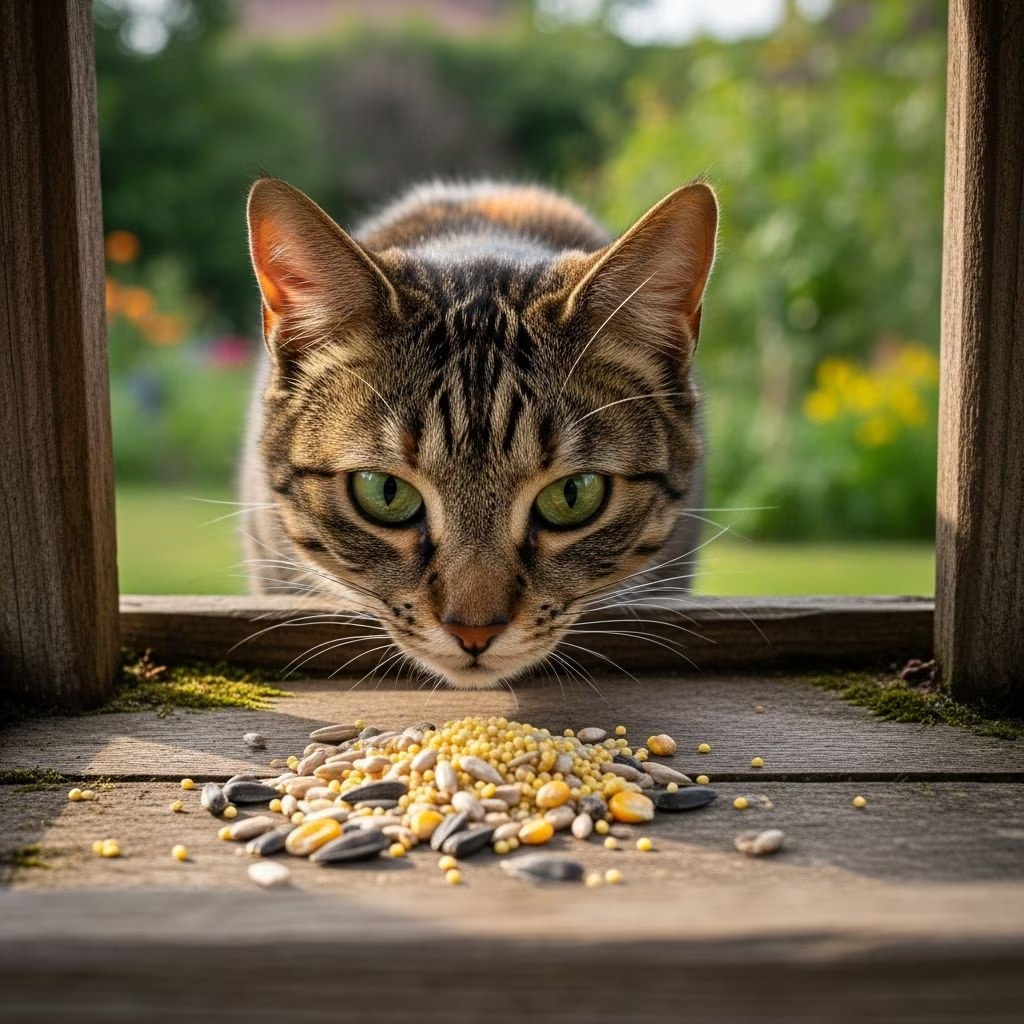
Cats are obligate carnivores, meaning their bodies are designed to thrive on a meat-based diet rich in animal proteins and fats. Bird seed, primarily composed of grains, nuts, and seeds intended for avian species, holds little to no nutritional value for felines and can potentially lead to health issues if consumed in significant quantities. While most bird seeds are not outright toxic, they are not a suitable or safe snack for cats.
The Short Answer
In small amounts, bird seed is unlikely to cause serious harm to a healthy cat, but it provides zero essential nutrients and may trigger mild gastrointestinal upset such as vomiting or diarrhea. Cats lack the digestive enzymes needed to properly break down seeds and grains, making them an inappropriate food choice. Always monitor your cat closely after ingestion and consult a veterinarian if symptoms arise.
Understanding Cat Nutrition Basics
To grasp why bird seed doesn’t belong in a cat’s diet, it’s essential to review feline nutritional requirements. Cats require high levels of **taurine**, an amino acid found almost exclusively in animal tissues, along with arachidonic acid and pre-formed vitamin A—nutrients absent or insufficient in plant-based seeds. Bird seed mixtures typically include sunflower seeds, millet, cracked corn, and peanuts, which are carbohydrate-heavy and fiber-rich but deficient in feline-specific needs.
- Protein Needs: Cats derive over 50% of their energy from protein; seeds offer plant proteins that are incompletely digestible.
- Fat Profile: Feline diets demand animal fats; seed oils differ in composition and may cause imbalances.
- Digestive Limitations: Cats have short digestive tracts optimized for meat, not the grinding of hulls or high-fiber seeds.
Feeding inappropriate foods like bird seed can disrupt this delicate balance, leading to malnutrition over time or acute digestive distress.
Is Bird Seed Toxic to Cats?
Generally, no—standard bird seed blends are not poisonous to cats. Common ingredients like millet, sunflower seeds, and safflower are not listed as toxic by major veterinary resources. However, exceptions exist:
- Moldy or Spoiled Seed: Old bird seed can develop aflatoxins from mold, which are highly toxic and can cause liver damage.
- Additives: Some commercial mixes contain dyes, preservatives, or salted nuts that may irritate a cat’s system.
- Wild-Harvested Seeds: Potential contamination with pesticides or natural toxins.
Even non-toxic seeds pose risks due to their physical properties: hard hulls can create choking hazards or intestinal blockages if swallowed whole, especially in kittens or small cats.
Potential Health Risks of Bird Seed for Cats
While a single nibble might pass unnoticed, larger quantities increase the likelihood of complications. Here’s a breakdown of common issues:
| Risk | Symptoms | Severity |
|---|---|---|
| Digestive Upset | Vomiting, diarrhea, gas | Mild to Moderate |
| Choking/Blockage | Gagging, persistent vomiting, lethargy | Moderate to Severe |
| Nutritional Deficiency | Weight loss, poor coat (long-term) | Chronic |
| Allergic Reaction | Itching, swelling (rare) | Mild |
Cats with pre-existing conditions like inflammatory bowel disease or sensitivities are at higher risk. The indigestible fiber in seeds can ferment in the gut, causing bloating or discomfort.
What Happens If Your Cat Eats Bird Seed?
If you catch your cat munching on bird seed, stay calm but observant. Remove access immediately and watch for symptoms over the next 24-48 hours:
- Vomiting or diarrhea.
- Lethargy or reduced appetite.
- Abdominal pain (hunching, sensitivity to touch).
- Unusual behavior or dehydration.
For small amounts in a healthy adult cat, withholding food for 12 hours (while providing water) may suffice, allowing the gut to clear. However, if symptoms persist beyond a few episodes or worsen, seek veterinary care promptly. Vets may recommend fluids, anti-nausea meds, or diagnostics like X-rays for blockages.
How Much Bird Seed Is Too Much?
There’s no universal “safe” amount, as it depends on the cat’s size, health, and seed type. A few seeds pose minimal risk, but a pawful or more could lead to upset. Kittens, seniors, or cats under 5 pounds should avoid it entirely due to higher vulnerability to blockages. Prevention is key: store bird seed securely out of reach.
Why Do Cats Eat Bird Seed?
Curiosity drives many incidents—cats love batting at and tasting novel textures. Boredom, hunger pangs, or nutritional gaps in their diet might prompt exploration. Outdoor cats may encounter spilled seed from feeders, while indoor ones raid pantry spills. Addressing underlying causes like insufficient play or incomplete nutrition reduces appeal.
Safe Alternatives to Bird Seed for Cats
Stick to commercially prepared cat foods meeting AAFCO standards, supplemented sparingly with vet-approved treats. Healthy options include:
- Commercial Treats: Freeze-dried meat bits (high protein).
- Human Foods: Cooked plain chicken, fish (no bones/seeds), or cat-safe veggies like pumpkin for fiber.
- Interactive Toys: Puzzle feeders with kibble to mimic hunting.
Avoid grains, seeds, and high-carb snacks. Consult your vet for personalized dietary advice, especially for weight management or health issues.
Veterinary Advice and When to Call the Vet
Proactive vets emphasize prevention over cure. If ingestion occurs:
- Assess quantity and cat’s condition.
- Call a pet poison hotline (e.g., ASPCA) for guidance.
- Visit the vet for vomiting >2x, blood in stool, or distress.
Regular check-ups ensure your cat’s diet supports optimal health, warding off temptations like bird seed.
Frequently Asked Questions (FAQs)
Can a little bird seed hurt my cat?
A small amount is usually harmless but offers no benefits. Watch for tummy upset and prevent future access.
What if my cat ate a lot of bird seed?
Monitor for vomiting, lethargy, or pain. Large quantities risk blockages—contact your vet immediately.
Is bird seed ever safe as a treat?
No, it’s not nutritionally appropriate for obligate carnivores like cats. Opt for meat-based treats instead.
Can bird seed cause long-term problems?
Occasional nibbles won’t, but regular consumption could lead to deficiencies or chronic gut issues.
Why is my cat attracted to bird seed?
Texture, curiosity, or boredom. Enrich their environment with toys and proper nutrition to deter it.
Conclusion
Bird seed and cats don’t mix well. While not toxic, it lacks value and carries risks best avoided. Prioritize a meat-centric diet, secure storage, and vigilance to keep your feline friend thriving. When in doubt, your veterinarian is the best resource for tailored guidance.
References
- Cat Ate Bird Seed — Dial A Vet. 2023-10-15. https://www.dialavet.com/vet-answers/post/cat-ate-bird-seed-51400
- Can Cats Eat Bird Seed? Vet-Approved Health & Safety Guide — Hepper. 2024-05-20. https://www.hepper.com/can-cats-eat-bird-seed/
- Bird Seed — TheCatSite Forums. 2022-08-10. https://thecatsite.com/threads/bird-seed.424456/



