

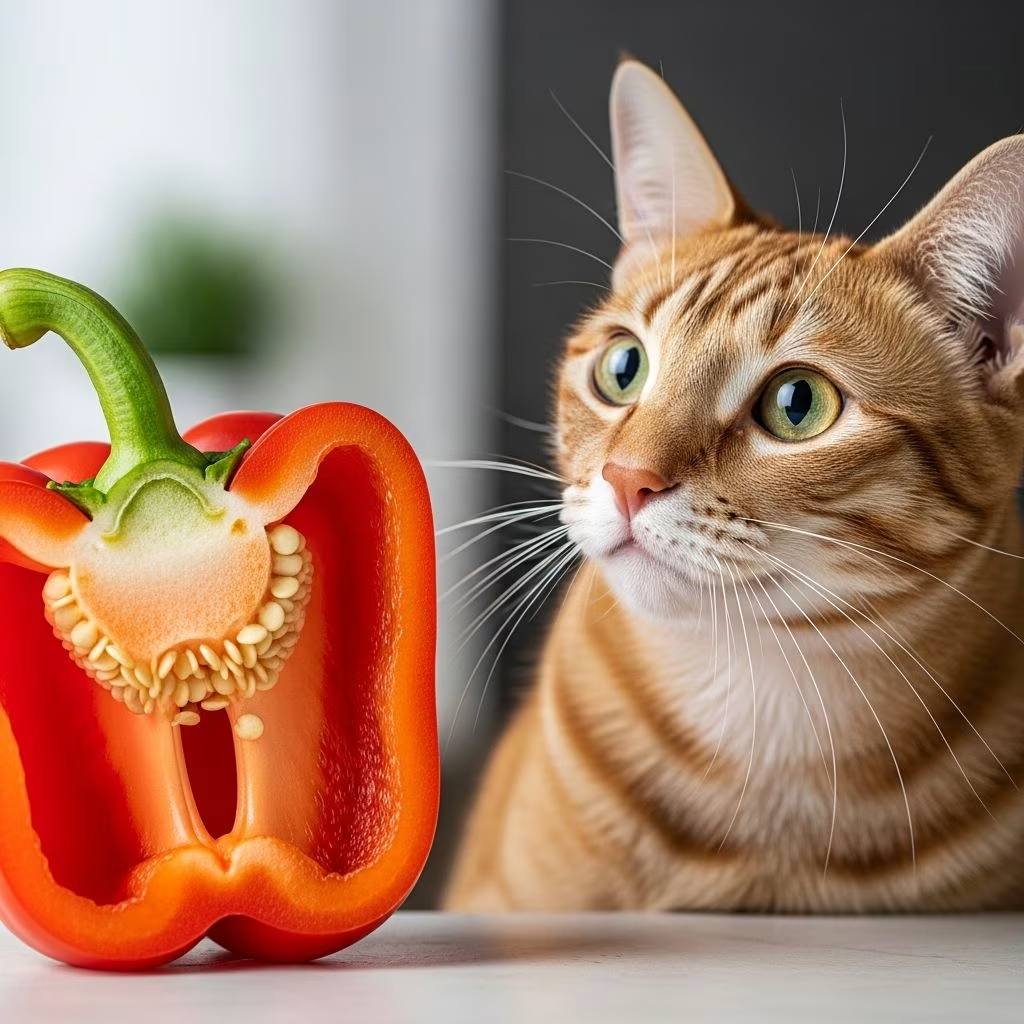
Bell peppers are a colorful, crunchy vegetable popular in human diets, but cat owners often wonder if they’re safe for feline friends. The short answer is yes, cats can eat small amounts of bell peppers, as they are non-toxic and pose no immediate danger when prepared correctly. However, as obligate carnivores, cats derive limited nutritional value from them, and overfeeding can lead to digestive issues. This comprehensive guide explores the safety, benefits, preparation methods, potential risks, and more to help you make informed decisions about including bell peppers in your cat’s occasional treats.
Are Bell Peppers Safe for Cats?
Bell peppers (Capsicum annuum) come in green, red, yellow, and orange varieties and are not listed as toxic by major pet poison control centers. Unlike hot peppers containing capsaicin, bell peppers lack this compound, making them safe for cats in moderation. Veterinary sources confirm that small portions won’t harm your cat, and some commercial cat foods even include bell pepper for flavor and minimal fiber.
That said, safety hinges on portion control and preparation. Cats’ digestive systems are optimized for meat, not plants, so excessive vegetable intake can cause soft stools or vomiting. Always introduce new foods gradually and observe for adverse reactions like lethargy or diarrhea.
Health Benefits of Bell Peppers for Cats
While bell peppers aren’t essential for cats, they offer some secondary benefits as an occasional low-calorie treat. Cats produce their own vitamin C and get vitamin A from animal sources in balanced diets, so plant-derived nutrients like beta-carotene provide negligible value. Nonetheless, here’s what small amounts might contribute:
- Low-calorie snack: At about 20-30 calories per 100g and 92% water, they’re ideal for weight management and hydration, superior to many commercial treats.
- Antioxidants: Vitamins C, A, and compounds like lutein and zeaxanthin support eye health, reduce inflammation, and may lower risks of cancer, heart disease, and arthritis.
- Minerals for heart and blood: Potassium, magnesium, and iron aid cardiovascular health and help prevent anemia by improving iron absorption.
- Digestive aid: High fiber content promotes gut motility in tiny doses, mimicking indigestible plant matter from prey.
These perks are minor compared to a complete cat food diet, which meets all nutritional needs per AAFCO standards. Bell peppers should never replace protein-rich meals.
Nutritional Breakdown of Bell Peppers
To understand their value, consider this comparison of bell pepper nutrition (per 100g raw, USDA data) versus typical cat treat needs:
| Nutrient | Green Bell Pepper | Red/Yellow Bell Pepper | Cat Daily Need (Adult, ~4kg) |
|---|---|---|---|
| Calories | 20 kcal | 26-31 kcal | 200-300 kcal total |
| Vitamin C | 80 mg | 128-190 mg | Self-produced |
| Vitamin A (beta-carotene) | 370 IU | 3,100+ IU | ~333 IU/kg from animal sources |
| Fiber | 1.7g | 2.1g | 1-4% of diet |
| Water | 94% | 92% | 60-70% intake needed |
Riper peppers (red/orange/yellow) are sweeter and more nutrient-dense due to ripening, but green ones are firmer and lower in sugars. Cats can’t efficiently convert plant beta-carotene to usable vitamin A, limiting benefits.
How to Safely Prepare Bell Peppers for Cats
Preparation is key to avoiding hazards. Follow these steps for safe feeding:
- Wash thoroughly: Remove pesticides, dirt, and residues under running water.
- Remove core and seeds: Stems, seeds, and white pith are indigestible and may cause choking or blockages.
- Cut into tiny pieces: Dice into pea-sized bits to prevent choking, especially for raw peppers which are crunchy.
- Cook if needed: Boil, steam, or roast plainly (no oils, salt, garlic, onions, or butter—these are toxic). Cooking softens fibers for better digestion in sensitive cats.
- Cool completely: Serve at room temperature to avoid burns.
Start with 1-2 teaspoons mixed into meals. Limit to 10% of daily calories, e.g., a few grams 1-2 times weekly. Store leftovers refrigerated for up to 3 days.
Types of Bell Peppers: Which Are Best for Cats?
Can Cats Eat Green Bell Peppers?
Green bell peppers are unripe and lowest in sugars and vitamins but still safe. Their bitterness may deter picky cats, and they’re firmer, so cooking is recommended.
Can Cats Eat Red Bell Peppers?
Red varieties are ripest, sweetest, and richest in antioxidants like vitamin C (up to 190mg/100g) and beta-carotene. Ideal for occasional treats if your cat enjoys the flavor.
Can Cats Eat Yellow or Orange Bell Peppers?
Similar to red, these have comparable vitamin profiles to USDA data, with slight variations in sweetness. All colors are equally non-toxic; choose based on availability and cat preference.
No significant nutritional differences across colors for cats, but riper ones may be more palatable. Avoid mixing with spicy peppers like jalapeños, which cause burning GI distress.
Dangers and Risks of Feeding Bell Peppers to Cats
Despite safety, risks exist with improper feeding:
- Digestive upset: Excess fiber leads to diarrhea, gas, or vomiting as cats lack enzymes for plant digestion.
- Choking hazard: Large, raw chunks pose risks, especially for kittens or fast eaters.
- Toxic additives: Seasoned peppers from human meals (garlic, onions, salt) can cause anemia or salt toxicity.
- Allergies or sensitivities: Rare, but watch for itching, swelling, or refusal—discontinue if seen.
- Overfeeding displacement: Veggies crowd out vital proteins, risking malnutrition.
If your cat eats a whole pepper or shows distress (e.g., persistent vomiting), contact a vet immediately. The pepper plant leaves are toxic (solanine), so keep plants away.
Alternatives to Bell Peppers for Cats
If bell peppers aren’t a hit, try these vet-approved veggies in tiny amounts:
- Cooked pumpkin or squash: High fiber for hairballs/constipation.
- Steamed carrots/broccoli: Beta-carotene sources (though conversion limited).
- Cucumber slices: Hydrating, low-cal crunch.
- Green beans: Protein-like fiber filler for weight loss.
Always plain and minimal; prioritize meat-based treats.
Frequently Asked Questions (FAQs)
Can cats eat bell peppers raw?
Yes, but cut small and monitor; cooking improves digestibility.
Are bell peppers good for cats?
Limited benefits like hydration and antioxidants, but not necessary.
How much bell pepper can I give my cat?
1-2 teaspoons weekly max, as 10% treat limit.
Can kittens eat bell peppers?
Avoid under 6 months; stick to kitten formula.
What if my cat ate a lot of bell pepper?
Monitor for upset; vet if symptoms persist.
References
- Can Cats Eat Bell Peppers? — Maven Pet. 2023. https://maven.pet/all-about-pets/pet-care/cat-diet/can-cats-eat-vegetables/can-cats-eat-bell-peppers/
- Can Cats Eat Bell Peppers? — WagWalking. 2024-01-15. https://wagwalking.com/wellness/can-cats-eat-bell-peppers
- Can Cats Eat Bell Pepper? Our Vet Answers & Provides Safety Info — Catster (Ask the Vet). 2024. https://www.catster.com/ask-the-vet/can-cats-eat-bell-pepper/
- Can Cats Eat Peppers? — TrustedHousesitters. 2023-06-12. https://www.trustedhousesitters.com/blog/pets/can-cats-eat-peppers/
- Can Cats Eat Pepper: A Comprehensive Guide — PUAINTA. 2024. https://shop.puainta.com/blogs/cats/can-cats-eat-pepper
- Safe and Unsafe Vegetables for Dogs & Cats — Preventive Vet. 2023-11-20. https://www.preventivevet.com/pets/safe-vegetables-for-dogs-and-cats



