

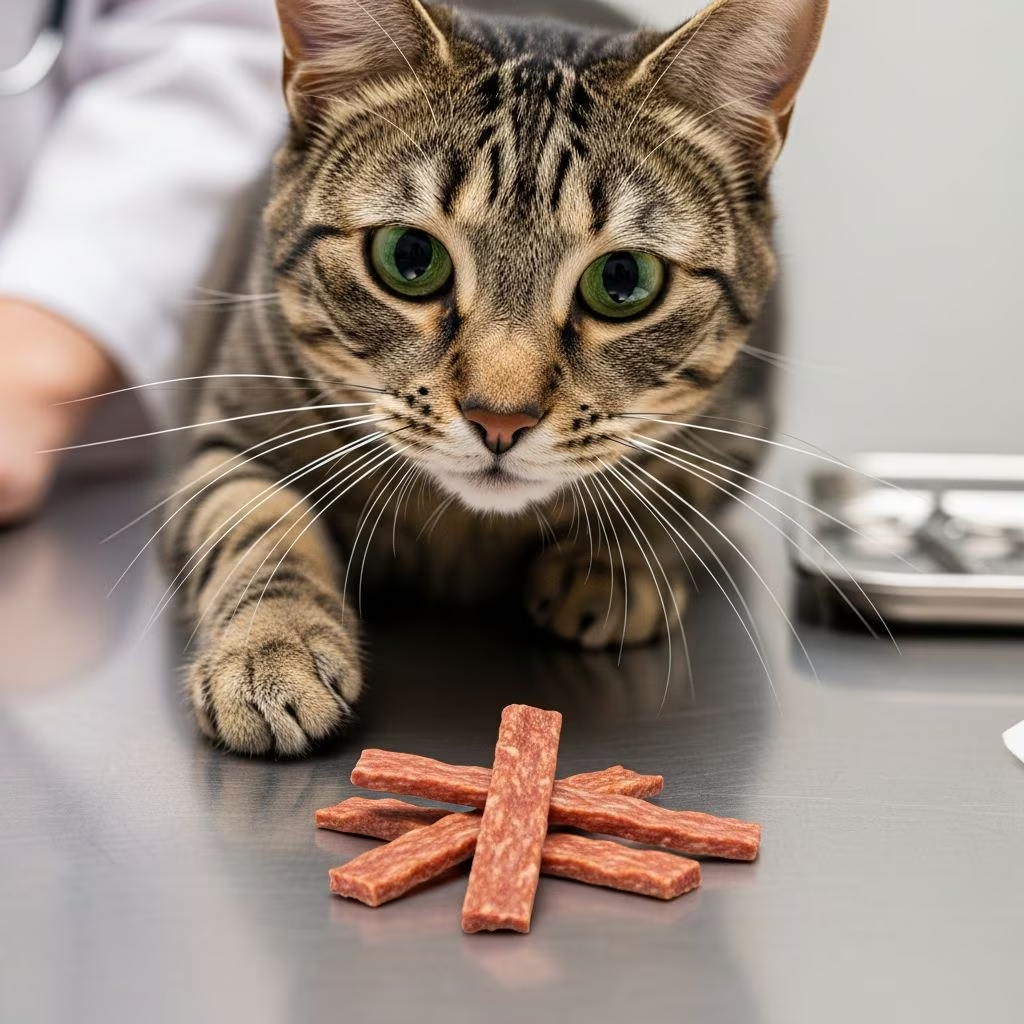
Can Cats Eat Beggin’ Strips? Vet Reviewed Health Risks & FAQ
Beggin’ Strips are popular dog treats known for their bacon-like appearance and meaty odor, which may make your cat seek them out. However, Beggin’ Strips are not healthy for cats, and neither are most dog treats. For cats, there’s no nutritional benefit to feeding Beggin’ Strips or other dog treats or food. Your cat has unique nutritional needs that aren’t met by commercial dog food products.
While a small piece of a Beggin’ Strip won’t typically cause immediate toxicity, these treats contain ingredients unsuitable for feline digestion and nutrition. Dog treats, like Beggin’ Strips, are intended and formulated for dogs, not cats. Although cats and dogs are both popular pets, they have vastly different nutritional requirements that must be understood before offering any treats.
What Are Beggin’ Strips?
Beggin’ Strips are bacon-like strips with a meaty odor and coloration that resembles real bacon, which is the primary focus of their marketing strategy. Manufactured by Purina, these treats have become a staple in many households with dogs. However, despite their bacon appearance, Beggin’ Strips contain only small amounts of actual bacon.
The ingredient list for Beggin’ Strips includes:
- Sodium nitrite
- BHA (butylated hydroxyanisole)
- Corn gluten meal
- Ground yellow corn
- Soybean meal
- Wheat flour
- Sugar
- Sorbic acid
- Hydrogenated starch hydrolysate
Many of these ingredients are problematic for cats, particularly BHA, which is considered “reasonably anticipated to be a human carcinogen” based on animal studies. Though it’s often used in animal feed as a preservative and generally recognized as safe by regulatory bodies, this is an important consideration when deciding whether to feed Beggin’ Strips to your pet.
Understanding Feline Nutritional Needs vs. Beggin’ Strips
Cats are obligate carnivores, which means they need animal-based proteins and fats to survive and thrive. Dogs are omnivores and have more flexible dietary needs, allowing them to thrive on both animal and plant-based ingredients. This fundamental difference in metabolism makes feeding dog treats to cats nutritionally problematic.
Cats have specific dietary requirements that are essential for their health:
- Protein: Cats require a minimum protein percentage of 30-35%, though 40-50% is preferred for optimal health
- Taurine: An essential amino acid that cats must obtain from their diet. Without taurine, cats can experience serious health problems including vision loss, weakened hearts, and digestive issues
- Arachidonic acid: A fatty acid that cats cannot synthesize themselves and must ingest. Without adequate arachidonic acid, cats may develop skin problems or abnormal kidney and liver values
- Vitamin A: Cats cannot create vitamin A and must obtain it from their diet. Deficiency can lead to poor coat quality, possible night blindness, and muscle weakness
- Niacin: Cats cannot manufacture their own niacin, which must come from animal tissue sources
Beggin’ Strips fail to meet these essential nutritional requirements. Instead, they contain high levels of carbohydrates and plant-based proteins that cats cannot properly digest or utilize efficiently. The treats also contain artificial preservatives, colors, and lower protein content than cats require for optimal health.
Why Are Beggin’ Strips Bad for Cats?
Beggin’ Strips might taste and smell good to cats, but they are not an appropriate treat choice for several important reasons. Understanding these risks helps pet owners make informed decisions about their feline companion’s diet.
Digestibility Issues
First, Beggin’ Strips are difficult for cats to digest. Bacon isn’t the healthiest meat for cats or dogs, and many cats will experience gastrointestinal upset such as diarrhea from eating bacon-heavy meals like Beggin’ Strips. The high-fat content in these treats is particularly problematic for cats, as it can predispose them to serious conditions such as pancreatitis, a painful inflammation of the pancreas.
High Fat Content
Cats get most of their energy from protein and cannot process fat as efficiently as humans. Although cats should have some fat in their diet, they should obtain their fat content mainly from their daily food, not from fatty treats. Excessive fat consumption can lead to obesity, digestive upset, and increased risk of metabolic diseases.
BHA and Harmful Preservatives
One of the major criticisms of Beggin’ Strips is that they contain BHA as a preservative. In Beggin’ Strips, BHA is used to preserve the bacon grease that gives them their flavor. The problem with BHA is that it’s connected to a range of health problems. It’s a carcinogen, meaning it causes higher rates of cancer. Research has also connected BHA to liver and kidney damage in animal studies.
The BHA in Beggin’ Strips is particularly unhealthy for cats and smaller dogs because of their small size and lower nutritional needs. Cats have less body mass to distribute toxins across, making the concentration of harmful preservatives potentially more damaging.
Potential Health Risks for Cats
When cats consume Beggin’ Strips, they may experience several adverse effects ranging from immediate digestive upset to long-term health complications.
Short-Term Effects
If your cat eats Beggin’ Strips, they may experience immediate negative reactions including:
- Digestive upset and gastrointestinal distress
- Vomiting
- Diarrhea
- Loss of appetite
Long-Term Concerns
Regular consumption of Beggin’ Strips can lead to more serious health complications:
- Nutritional deficiencies from inadequate essential nutrients
- Weight gain and obesity
- Increased risk of diabetes
- Potential liver stress from artificial preservatives and BHA exposure
- Increased cancer risk from long-term BHA consumption
- Kidney and liver damage
Cats cannot be maintained on dog food or dog treats. While stealing a bit of dog food or feeding a dog treat in a pinch probably won’t be harmful, it should only happen rarely and not become a regular practice.
Can My Cat Have Dog Treats?
In short, yes, cats can have a small number of dog treats, including Beggin’ Strips, without experiencing significant toxicity or immediate complications. However, the important question is whether they should have them.
The answer is no, not really. There’s no nutritional reason to give your cat dog treats when commercial cat treats specifically formulated for them are available. Cats have different nutritional requirements than dogs, and feeding them dog treats denies them essential nutrients while exposing them to potentially harmful ingredients.
A single Beggin’ Strip or small piece of dog treat may not cause observable harm, but it provides no nutritional benefit and introduces unnecessary risk factors. Pet owners should prioritize treats specifically designed for feline nutrition.
Safe Treat Alternatives for Cats
Instead of Beggin’ Strips, consider these cat-appropriate treat options that meet feline nutritional needs:
- Commercial cat treats: Treats formulated specifically for feline nutrition with appropriate protein and essential nutrients
- Freeze-dried meat treats: Made from high-quality animal proteins with minimal processing
- Small pieces of cooked chicken or fish: Plain, unseasoned cooked meats provide natural protein without harmful additives
- Specially formulated dental treats: Cat treats designed to support oral health while meeting nutritional requirements
These alternatives provide nutritional value while supporting your cat’s health and wellbeing. They offer the satisfaction of a treat without the risks associated with dog treats or products containing harmful preservatives.
When to Contact Your Veterinarian
If your cat has consumed Beggin’ Strips, monitor them carefully for any unusual symptoms. Contact your veterinarian immediately if you notice:
- Persistent vomiting or diarrhea lasting more than a few hours
- Lethargy or unusual tiredness
- Loss of appetite or refusal to eat
- Unusual behavior changes or signs of distress
- Abdominal pain or bloating
- Signs of pancreatitis such as hunching or reluctance to move
Your veterinarian can assess your cat’s condition and provide appropriate treatment if necessary. Early intervention is important if your cat experiences adverse reactions.
Frequently Asked Questions
Q: Can cats safely eat Beggin’ Strips dog treats without health risks?
A: No, cats cannot safely eat Beggin’ Strips. While a small amount isn’t typically toxic, these treats contain ingredients unsuitable for feline digestion and nutrition. They lack essential nutrients cats need and contain harmful preservatives like BHA.
Q: Why are Beggin’ Strips not recommended for cats despite their appealing bacon smell?
A: Beggin’ Strips are formulated for dogs’ dietary needs, containing inappropriate levels of proteins, fats, and carbohydrates for cats. The artificial flavors and preservatives can cause digestive issues in cats, and they provide no nutritional benefit for feline health.
Q: What ingredients in Beggin’ Strips are harmful or unsuitable for feline digestion?
A: Key problematic ingredients include artificial preservatives like BHA (a carcinogen), artificial colors, high carbohydrate content, plant-based proteins that cats cannot properly digest, and excessive fat that can cause pancreatitis and other health issues.
Q: What are the potential short-term and long-term health effects if a cat eats Beggin’ Strips?
A: Short-term effects include digestive upset, vomiting, and diarrhea. Long-term consumption could lead to nutritional deficiencies, obesity, increased risk of diabetes, liver and kidney problems, and potentially higher cancer risk from BHA exposure.
Q: What are better treat alternatives designed specifically for cats compared to dog treats like Beggin’ Strips?
A: Better alternatives include commercial cat treats, freeze-dried meat treats, small pieces of cooked lean meat, and specially formulated feline dental treats that meet cats’ specific nutritional needs without harmful additives.
Q: How often can cats have treats, and what should be the recommended portion size?
A: Treats should comprise no more than 10% of your cat’s daily caloric intake. The frequency depends on the specific treat, but cat-appropriate treats can be given daily in moderation, while treats like Beggin’ Strips should be avoided entirely.
Q: Are there any ingredients in Beggin’ Strips that are beneficial for cats?
A: No, there are no ingredients in Beggin’ Strips that provide nutritional benefit specifically for cats. While they may contain some meat content, the overall formulation is designed for dogs and lacks the essential nutrients and amino acids cats require.
Conclusion
Cats can have a small piece of a Beggin’ Strip or other dog treat without immediate adverse effects, but it’s not a healthy choice for your feline companion. The ingredients in Beggin’ Strips are formulated for dogs’ nutritional needs, not cats’, and they contain harmful preservatives and excessive fat that can lead to serious health problems.
There are plenty of commercial cat treats available that give your cat the nutrients they need, such as high-quality protein and taurine, to thrive. By choosing treats specifically formulated for cats, you ensure your feline friend receives appropriate nutrition while avoiding potential health risks associated with consuming dog treats. Remember, whatever treats you feed your pet, you don’t want to give them too much. Overfeeding is a problem no matter how healthy the treat is.
Your cat’s health and wellbeing depend on providing species-appropriate nutrition. By understanding the differences between feline and canine dietary needs, you can make informed decisions that support your cat’s long-term health and vitality.
References
- Can Cats Eat Beggin’ Strips? Vet Reviewed Health Risks & FAQ — Catster. 2024. https://www.catster.com/nutrition/can-cats-eat-beggin-strips/
- Can Cats Eat Beggin’ Strips? Risks and Safe Treat Alternatives — PetsCare. 2024. https://www.petscare.com/news/post/can-cats-eat-beggin-strips
- Can Cats Eat Beggin’ Strips? Risks & Alternatives — Hepper. 2024. https://articles.hepper.com/can-cats-eat-beggin-strips/
- Beggin’ Frequently Asked Questions — Purina Canada. 2024. https://www.purina.ca/beggin/faq



