

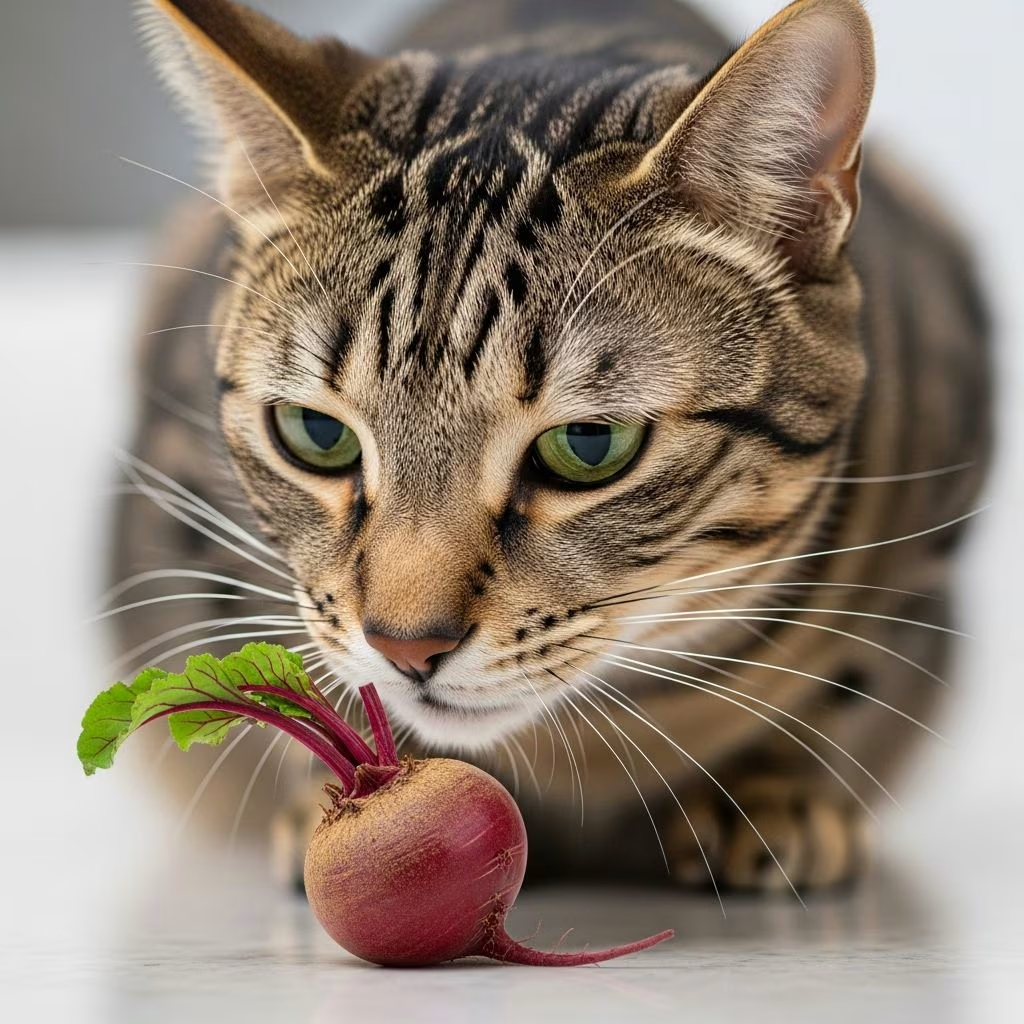
Cats can safely eat beets in small amounts as an occasional treat, providing fiber, antioxidants, and vitamins without replacing their meat-based diet. As obligate carnivores, cats derive primary nutrition from animal proteins, but beets offer supplementary benefits when fed properly.
Are Beets Good For Cats?
Beets provide several health advantages for cats when given sparingly. They are rich in essential nutrients that support digestion and overall wellness, though they should never dominate a cat’s diet.
Beets Contain Disease-Fighting Polyphenols
Beets feature betalains, water-soluble polyphenols responsible for their vibrant red hue. These antioxidants may combat cancer, lower blood pressure, enhance oxygen uptake in cells, and bolster cardiovascular and immune health in cats. Studies in humans suggest betalains reduce inflammation and protect against oxidative stress, with potential similar effects in felines.
Beets Contain Moderately Fermentable Fiber
Beets supply both soluble and insoluble fibers crucial for feline digestion. Soluble fiber ferments into short-chain fatty acids, nurturing gut bacteria and optimizing nutrient absorption. Insoluble fiber binds toxins, prevents hairballs, and promotes satiety. This fiber aids in maintaining intestinal balance, especially useful for cats prone to constipation.
Don’t Beets Contain Sugar?
Yes, beets have natural sugars, making home-cooked versions suitable only as rare treats—less than a tablespoon weekly. Beet pulp in commercial cat foods, however, has sugars removed, leaving beneficial fiber without caloric excess. Excess sugar risks digestive upset or weight gain in cats, who lack sweet taste receptors and thrive on protein-fat diets.
Are There Any Risks?
While generally safe, beets pose risks if overfed or improperly prepared. Moderation prevents issues like stomach upset or nutrient imbalances.
- High Oxalate Content: Beet greens are rich in oxalates, which can form crystals leading to kidney stones or bladder issues in susceptible cats. Avoid greens entirely for those with kidney disease history.
- Digestive Upset: Raw beets are hard to digest, potentially causing blockages or diarrhea. Their acidity may irritate sensitive stomachs.
- Sugar Overload: Too many beets spike carbohydrate intake, unsuitable for obligate carnivores needing 26%+ protein from meat.
- Allergies or Sensitivities: Rare, but new foods can trigger vomiting, lethargy, or stool changes. Monitor closely.
Canned or pickled beets are dangerous due to added salt, sugar, or toxins like garlic, risking sodium toxicity or poisoning.
How to Feed Beets to Cats
Prepare beets plainly to maximize safety. Steam or roast without seasonings, then chop into tiny pieces to avoid choking.
- Start with pea-sized amounts to test tolerance.
- Limit to 1-2 teaspoons weekly for adults; less for kittens or seniors.
- Mix into wet food for appeal.
- Wash thoroughly to remove pesticides.
Dehydrated beets can work as crunchy treats, but ensure no additives. Always prioritize complete cat food meeting AAFCO standards.
What If My Cat Eats Too Many Beets?
Excess beets may cause red-tinted urine/stools (harmless pigment), diarrhea, or vomiting. Withhold treats, offer water, and observe. Contact a vet for persistent symptoms like lethargy or dehydration. Beet allergies are uncommon but present as itching or swelling—seek immediate care.
Table: Nutritional Comparison of Beets vs. Cat Diet Staples
| Nutrient (per 100g) | Beets | Chicken (Cooked) | Benefits for Cats |
|---|---|---|---|
| Fiber | 2.8g | 0g | Digestion aid from beets |
| Protein | 1.6g | 25g | Primary from meat |
| Vitamin C | 4.9mg | 0mg | Antioxidant boost |
| Potassium | 325mg | 223mg | Electrolyte support |
| Sugars | 6.8g | 0g | Limit to avoid excess |
This table highlights why beets complement, not replace, protein-rich foods.
Frequently Asked Questions (FAQs)
Can cats eat raw beets?
No, raw beets pose choking and digestion risks. Cook thoroughly first.
Are beet greens safe for cats?
Avoid beet greens due to high oxalates risking kidney stones.
Can kittens eat beets?
Kittens under 6 months should not; their digestive systems are immature. Introduce sparingly later.
Do beets help with cat hairballs?
Yes, insoluble fiber binds hair, reducing hairballs when fed moderately.
Are canned beets okay for cats?
No, high salt/sugar content is harmful. Stick to plain, home-cooked.
Can beets stain cat fur or urine?
Yes, betalains may temporarily tint urine/stools or fur red—harmless.
Should diabetic cats eat beets?
Limit strictly due to sugars; consult vet.
Conclusion
Beets offer cats fiber, antioxidants like betalains, and vitamins as occasional treats, enhancing digestion and immunity without supplanting meat. Risks from oxalates, sugars, and poor preparation underscore moderation. Consult vets for personalized advice, ensuring a balanced, taurine-rich diet for thriving felines.
This guide draws from vet-verified insights, emphasizing safe integration of beets into cat nutrition.
References
- Can dogs or cats eat beets? — ManyPets. 2023-10-15. https://manypets.com/us/pet-food-safety/can-my-pet-eat-beets/
- Can Cats Eat Beets? Vet-Approved Health & Safety Guide — Hepper. 2024-05-20. https://articles.hepper.com/can-cats-eat-beets/
- Can Cats Eat Beets? Vet-Verified Facts & FAQ — Catster. 2024-08-12. https://www.catster.com/nutrition/can-cats-eat-beets/
- Safe and Unsafe Vegetables For Dogs & Cats — Preventive Vet. 2023-11-08. https://www.preventivevet.com/pets/safe-vegetables-for-dogs-and-cats
- Can Dogs & Cats Eat Beets? Health Benefits & Risks Explained — PetPlace. 2024-02-14. https://www.petplace.com/article/general/pet-health/can-dogs-cats-eat-beets
- Beets – Toxic and Non-toxic Plants — ASPCA. 2023-01-01. https://www.aspca.org/pet-care/aspca-poison-control/toxic-and-non-toxic-plants/beets



