

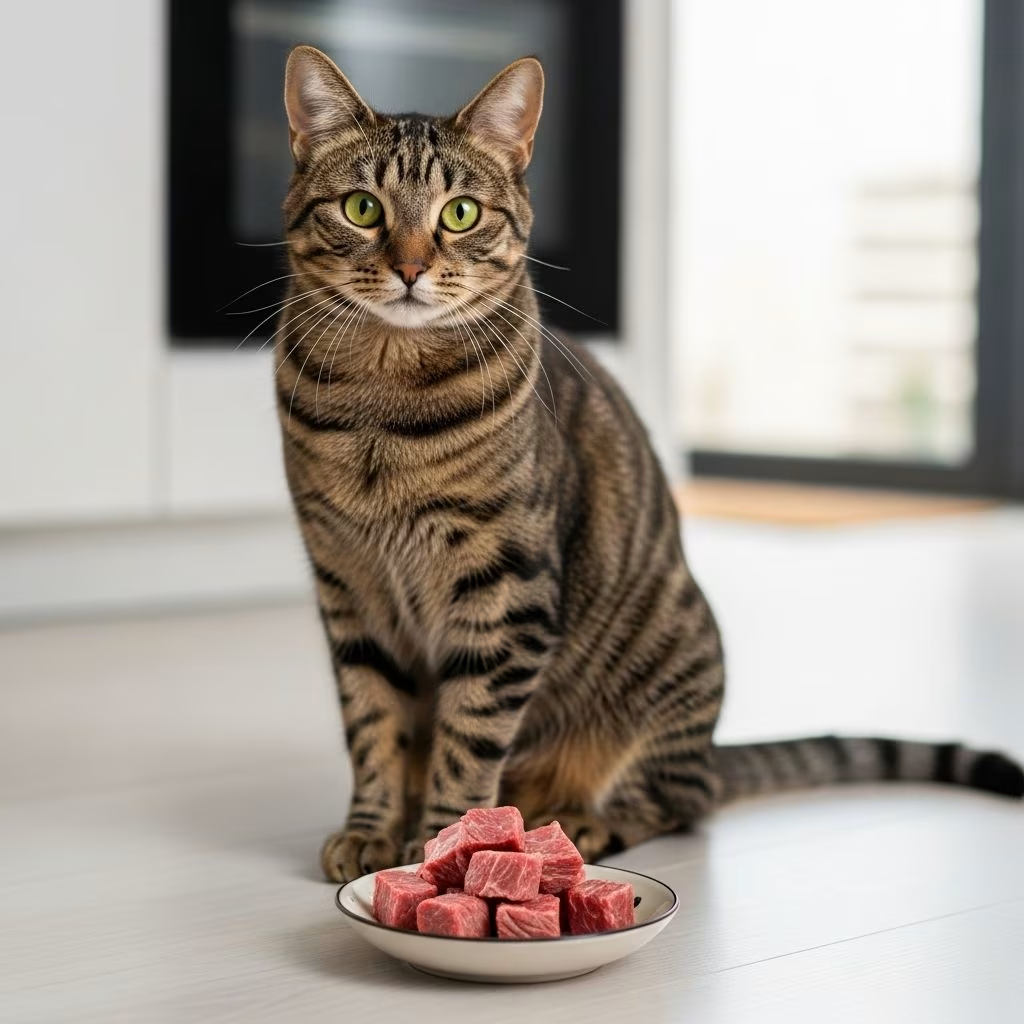
Can Cats Eat Beef? A Comprehensive Guide to Feline Nutrition
As a cat owner, you may wonder about the foods you can safely share with your feline companion. One common question is whether cats can eat beef. The answer is yes—most cats can safely enjoy beef as part of a balanced diet. However, understanding how to properly prepare and serve beef to your cat is essential for their health and wellbeing.
Is Beef Safe for Cats?
Generally, most cats can safely consume beef without any issues. However, like any food, beef is not suitable for cats with a food allergy to beef. If your cat has never eaten beef before, it’s wise to introduce it gradually in small amounts to monitor for any adverse reactions.
Signs of a food allergy typically manifest on the skin, causing itchiness, rashes, or hair loss, or they may affect the gastrointestinal tract. If you notice any concerning symptoms after feeding your cat beef, consult your veterinarian for professional advice.
Why Cats Need Protein
Cats are obligate carnivores, meaning they require animal protein to meet their nutritional requirements. While cats would not hunt and eat cows in the wild, beef is considered a good protein source for cats because it provides the essential amino acids their bodies need. In general, cats need high amounts of protein in their diets, along with moderate amounts of fats and minimal amounts of carbohydrates.
Nutritional Benefits of Beef for Cats
Beyond being safe for cats to eat, beef provides several essential nutrients that contribute to your cat’s overall health:
Iron
Iron is a critical mineral needed to form hemoglobin, the component of red blood cells that carries oxygen and removes carbon dioxide. Beef contains iron in large quantities, making it an excellent source of this vital mineral for your feline friend.
Zinc
Zinc aids in cell production and growth throughout your cat’s body. The body also uses zinc for wound healing and recovery, as well as in supporting the immune system and helping prevent illness. This makes beef particularly beneficial for cats recovering from injuries or those with compromised immune systems.
B Vitamins
Beef is an excellent source of vital, water-soluble B vitamins. Cats have a high requirement for niacin and thiamin compared to other animals, and because their bodies cannot synthesize these vitamins, they must be obtained through food. Additionally, cats need adequate B6 to metabolize protein, and meat is a great source of this nutrient. Similarly, cats need vitamin B12 for digestive health as well as immune and nervous system function, and meat is the best source for the form of B12 cats can most readily use.
Taurine
Taurine is only found in animal proteins and is an essential amino acid that cats must obtain from their diet. Taurine is critical to a cat’s health, as it supports vision and heart health, and is vital to pregnant and nursing mothers. This amino acid cannot be synthesized by a cat’s body, making dietary sources absolutely essential.
How to Feed Beef to Your Cat
Preparation Methods
When feeding beef to your cat, how you prepare it matters significantly. There are two main approaches: cooked beef and raw beef, each with its own considerations.
Cooked Beef: Small pieces of cooked lean beef can be a great protein-rich snack for your cat. Cooked beef is generally safer than raw beef because it eliminates the risk of parasites and bacteria that may be present in raw meat.
Raw Beef: While there is considerable debate over whether it is safe to feed raw beef to cats, it is generally recommended to ensure that beef is cooked first to avoid parasites and bacteria. If you choose to feed raw beef, it should be part of a balanced diet that includes other supplements to ensure your cat receives all necessary nutrients.
Portion Sizes and Serving Guidelines
Beef should be offered to your cat as an occasional treat rather than a meal replacement. It is unusual for cat owners to feed beef snacks, but it can be found in commercial cat foods, and if minced or chopped into small enough pieces, it can be fed to your cat as a treat.
If you are considering adding beef to your cat’s diet and they have never eaten it before, start with a small amount. This allows you to monitor your cat’s digestive response and watch for any signs of allergies or sensitivities.
Fat Content Considerations
When feeding beef to your cat, be mindful of the fat content. Lean cuts of beef are preferable to high-fat alternatives, as high-fat foods increase the likelihood of obesity and conditions such as pancreatitis. Additionally, if giving beef to your cat, remove excess fat, and feed the leaner areas of meat.
While cats can eat steak fat both raw or cooked, and it typically serves as a good source of energy for them as obligate carnivores, it should be given in moderation to avoid potential health issues like obesity or pancreatitis. For most cats, a daily intake of 5-15 grams would be a reasonable amount, but this should be considered as part of a complete diet and factored into your cat’s daily caloric intake.
Types of Beef Products for Cats
Ground Beef
Minced beef can help to support your cat’s heart health, good eyesight, and a healthy reproductive system. The suitability of minced beef for cats depends on the type and quality of meat. Lean mince is better than higher-fat alternatives, as high-fat foods increase the likelihood of obesity and conditions such as pancreatitis. Additionally, there should be no seasonings or unsuitable ingredients added.
Beef Steak
Yes, cats can eat raw steak, but it should be given in moderation. Depending on the cut, steak comes from the loin, rib, and chunk of a cow, and is classed as a lean meat that’s high in protein. Protein provides energy for all the climbing, chasing, and pouncing cats love to do.
Raw steak has high levels of iron, zinc, phosphorus, and vitamins B6 and B12. B12 is important for a healthy nervous system, digestive system, and immune system. However, if giving raw steak to your cat, please remove any fat as excessive fat in a cat’s diet can lead to obesity, pancreatitis, and other health issues.
Beef in Commercial Cat Food
Beef is a common ingredient in cat food, even though wild cats would never have the chance to eat cows. While poultry and fish are the most common meat ingredients in cat food, wild cats rarely take on full-sized chickens and would not hunt for fish regularly. Commercially prepared, complete, and balanced cat food provides all essential nutrients your cat needs.
Important Safety Considerations
Foods to Avoid
Not all beef products are safe for cats. You should avoid feeding your cat:
- Raw sausages, as they are high in fat, salt, and contain seasonings like garlic powder which is toxic to cats
- Beef products with added seasonings, garlic, or onions, which are toxic to felines
- Fatty cuts of beef that may contribute to obesity and pancreatitis
Complete and Balanced Diet
While beef provides excellent nutritional benefits, it should not be the only food in your cat’s diet. However, there is considerable debate over whether it is safe to feed raw beef to cats, and it is generally better to ensure that it is cooked first to avoid parasites and bacteria.
If you want your cat to be healthy, strong, and happy, it is always recommended to feed a diet that is a combination of meat and high-quality cat food. This will give your cat all the nutrients it needs to be healthy, whilst providing your pet with essential nutrients.
Nutritional Deficiencies from Single-Meat Diets
Feeding a cat only raw steak can lead to nutritional deficiencies, so it’s important to consult with a veterinarian for a complete and safe raw diet plan. If you choose to give your cat raw beef, it is advisable to find a diet by a reputable brand or one that has been formulated by a veterinary nutritionist.
Beef Alternatives for Cats with Allergies
Some cats might be allergic to chicken and tuna, making beef an ideal alternative. While poultry and fish are common protein sources in commercial diets, beef cat food is another viable option. If your cat has sensitivities to other proteins, beef may be the perfect solution to provide them with necessary nutrients while avoiding allergens.
Frequently Asked Questions
Q: Can kittens eat beef?
A: Yes, kittens can eat beef as it provides essential protein for growth and development. However, ensure it is finely minced or chopped into small pieces to prevent choking hazards, and introduce it gradually while monitoring for any digestive issues.
Q: How often can I feed my cat beef?
A: Beef should be offered as an occasional treat rather than a regular meal. If you’re incorporating beef into your cat’s regular diet, consult with your veterinarian to ensure proper nutritional balance and appropriate portion sizes.
Q: Is raw beef safer than cooked beef for cats?
A: This is debatable among pet nutritionists. While raw beef mimics a cat’s natural diet, cooked beef eliminates parasites and bacteria risks. If feeding raw beef, ensure it’s from a reputable source and part of a complete, balanced diet designed by a veterinary nutritionist.
Q: What should I do if my cat shows signs of an allergic reaction to beef?
A: Stop feeding beef immediately and consult your veterinarian. Signs of allergic reactions include itchiness, rashes, hair loss, or gastrointestinal issues. Your vet can provide proper diagnosis and recommend alternative protein sources.
Q: Can senior cats eat beef?
A: Yes, senior cats can enjoy beef as it provides valuable nutrients like taurine and B vitamins that support heart and nervous system health. Ensure the beef is soft, finely minced, and easy to chew for older cats with dental issues.
Conclusion
Most owners want what’s best for their cats, including feeding them a healthy diet with the occasional treat. Cats are carnivores, and they should get most of their protein and other nutrients from animal sources. While a cat wouldn’t be able to bring down a cow in the wild and wouldn’t eat beef naturally, beef is not only safe for cats to eat but provides several essential nutrients that make it an excellent addition to a cat’s diet.
When introducing beef to your cat’s diet, remember to start with small amounts, choose lean cuts, avoid seasonings and excessive fat, and maintain a balanced diet with high-quality commercial cat food. By following these guidelines and consulting with your veterinarian, you can safely offer beef as a nutritious and delicious treat that your feline friend will enjoy.
References
- Can Cats Eat Raw Meat? Raw Feeding Diet For Cats — Bella+Duke. Accessed January 2026. https://www.bellaandduke.com/cats/expert-advice/cat-nutrition/can-cats-eat-raw-meat/
- Can Cats Eat Beef? Vet-Reviewed Nutrition Facts & FAQ — Catster. Accessed January 2026. https://www.catster.com/nutrition/can-cats-eat-beef/
- Why Cats Need to Eat Meat — Cat Care Society. Accessed January 2026. https://www.catcaresociety.org/why-cats-need-to-eat-meat/
- Is Beef Good for Cats? Benefits, Safety Tips, and Feeding Guidance — Darwin’s Natural Pet Products. Accessed January 2026. https://www.darwinspet.com/blogs/resources/is-beef-good-for-cats-benefits-safety-tips-and-feeding-guidance
- Can Cats Eat Steak? — Cats.com. Accessed January 2026. https://cats.com/can-cats-eat-steak
- Can My Cat Eat That? The Most Commonly Asked Culprits Answered — Hardyston Veterinary Clinic. Accessed January 2026. https://www.hardyztonvet.com/services/blog/can-my-cat-eat-most-commonly-asked-culprits-answered-veterinarian



