

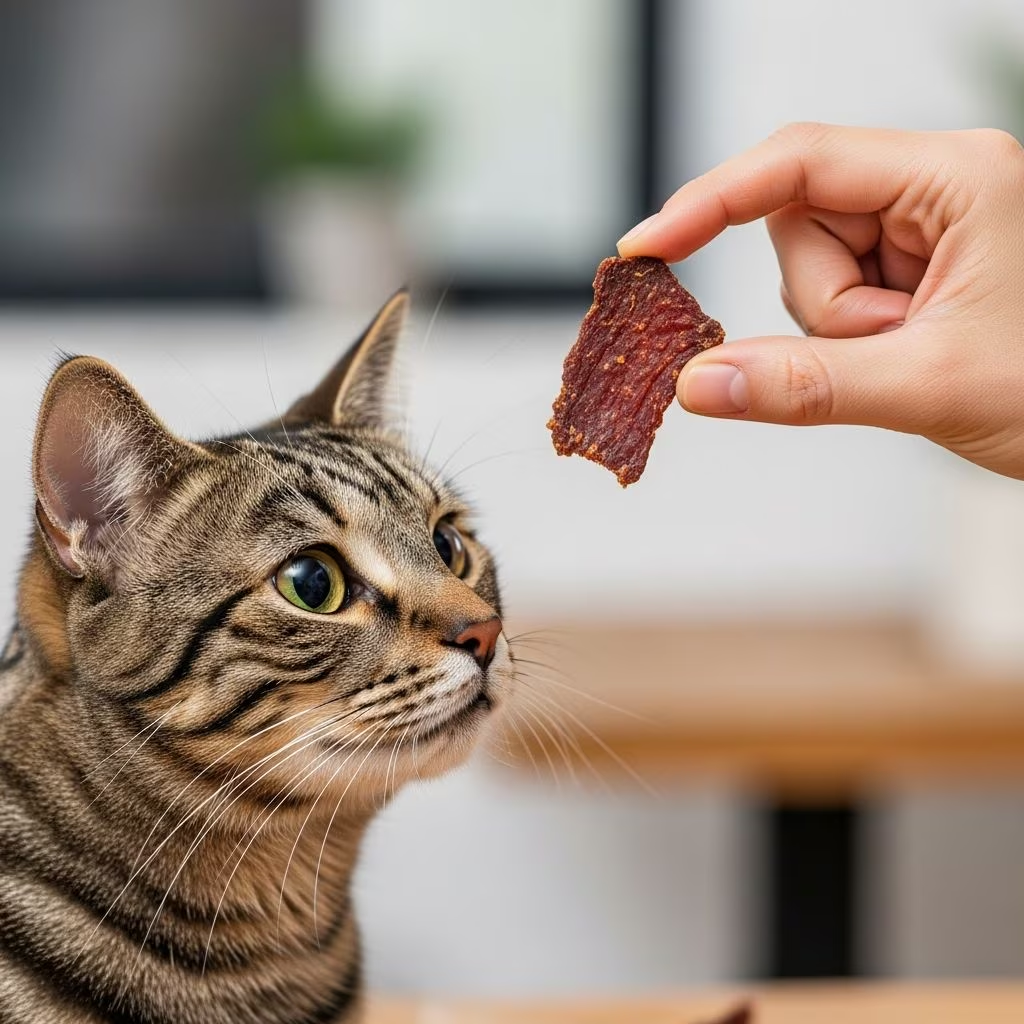
Can Cats Eat Beef Jerky? Vet-Approved Health and Nutrition Advice
While it’s good for humans, can cats eat beef jerky? The answer is that, while they can, it isn’t a good idea. Although cats are strictly carnivores and thrive on meat and meat byproducts, beef jerky made for human consumption contains ingredients that are unsuitable and potentially dangerous for feline health.
Is Beef Jerky Safe for Cats?
Cats are strictly carnivores and thrive on meat and meat byproducts. They don’t do too well when digesting fruits, veggies, and grains. So, beef jerky physiologically agrees with cats from a protein standpoint. Take a look at your cat’s treats. If your cat likes softer treats, you’ll notice they’re primarily some form of dried meat, whether it’s fish, poultry, or beef. If your cat loves meaty treats, they’ll likely love beef jerky.
However, the other ingredients, including preservatives and large amounts of sodium, are unhealthy for your cat. While the meat content itself is compatible with feline nutrition, the processing methods and additives used in commercial beef jerky make it unsuitable for regular consumption by your pet.
Why Beef Jerky is High in Sodium
Beef jerky, in its purest form, is essentially beef and salt. To make jerky, meat is cured in a salt solution and then dried. Today’s beef jerky is often cured in soy sauce or Worcestershire sauce, which are high in sodium. Beef jerky typically contains more than 500mg of sodium per 25g serving. In contrast, cats require only about 21mg of sodium per kilogram of body weight daily.
Giving your cat too much sodium can result in sodium poisoning. This condition manifests through several concerning symptoms including:
- Excessive thirst and increased water consumption
- Dehydration despite increased drinking
- Vomiting and nausea
- Tremors or shaking
- Lethargy and weakness
- Loss of appetite
More severe cases can lead to permanent kidney damage or worse. Cats have naturally low thirst drives and their kidneys are not as efficient at processing sodium as humans. Therefore, feeding them salty treats like beef jerky can put unnecessary strain on their kidneys and overall health.
Toxic Seasonings and Additives in Beef Jerky
Beyond excessive sodium, commercial beef jerky contains several seasonings and preservatives that are toxic to cats. Many products contain ingredients that can cause serious health complications in felines.
Garlic and Onion Powder
Most jerky contains hot peppers and garlic, and neither of them is good for your cat. Garlic is dangerous and possibly toxic to cats. The Journal of Veterinary Medicine notes that even a small amount of 0.5g of garlic per kg of body weight is toxic. These ingredients are often concealed in the small writings on jerky labels.
Garlic and onion powder damage red blood cells in cats, a condition that can lead to hemolytic anemia. The harm caused includes:
- Anemia and weakness
- Decreased oxygen circulation throughout the body
- Lethargy and reduced activity levels
- Pale gums and mucous membranes
Preservatives and Carcinogenic Ingredients
In addition to the salt, other ingredients may be included in your beef jerky that can also be harmful to your cat. Sodium nitrite is often used as a preservative in beef jerky to kill bacteria on meat and protect consumers against bacterial attacks. Unfortunately, sodium nitrate is also carcinogenic and will compromise the health of your cat.
A study by the National Toxicology Program indicates that preservatives such as sodium nitrite enhance cancer risk in animals. These chemical preservatives put a load on the liver and offer no nutritional benefit to cats.
Spices, Smoke Flavoring, and Marinades
Black pepper, chili, vinegar, and artificial smoke flavor are common ingredients in jerky recipes. These foods offend the stomach of a cat. Spiced or flavored jerky causes vomiting, diarrhea, and stomach pains after consumption. Store-bought jerky often adds soy sauce, vinegar, or liquid smoke as a flavoring. All of these ingredients disturb the digestive system and lead to nausea or stomach pain. Cats possess sensitive stomachs, which do not respond positively to these artificial components.
Physical Hazards Associated with Beef Jerky
Beyond chemical and nutritional concerns, beef jerky presents physical dangers to cats. The jerky is dry and tough, which makes it hard for a cat to chew. The smaller items can get lodged in their throat or mouth. This poses the danger of choking, particularly in cats and kittens with less strong teeth or slower chewers. The dense, fibrous nature of dried jerky means pieces may not break down easily and could cause intestinal blockages.
Nutritional Deficiencies in Beef Jerky for Cats
While beef jerky provides protein, it fails to supply essential nutrients that cats need to maintain optimal health. The most critical deficiency is taurine, an amino acid that has been crucial in eye vision and heart health. Cats cannot synthesize taurine and must obtain it from their diet. Beef jerky does not contain adequate levels of this essential nutrient.
Other significant nutrients present in proper cat food are also absent in jerky, including:
- Essential vitamins such as Vitamin A, D, E, and B-complex vitamins
- Vital minerals like calcium, phosphorus, and potassium for strong bones and teeth
- Balanced essential fatty acids, particularly omega-3 and omega-6
- Proper moisture content for hydration and kidney health
Long-Term Health Consequences of Regular Jerky Consumption
Regular jerky consumption damages internal organs over time. Cats cannot gradually filter high salt and chemical loads effectively. Chronic consumption influences the liver and kidneys, causing irreversible damage to these organs and shortening life expectancy. The cumulative effect of repeated exposure to sodium nitrite, excessive sodium, and toxic seasonings creates serious long-term health complications.
Store-Bought Jerky vs. Homemade Options
Many pet owners wonder if store-bought jerky intended for human consumption is different from homemade versions. Unfortunately, even uncured jerky usually has curing substances such as sodium nitrite or potassium sorbate. These chemicals put a load on the liver and don’t give any nutrients to cats.
Store jerky does not have pet food safety controls as well. Jerky is dry meat prepared by manufacturers according to human taste, but it is not suitable for the daily or even occasional nutrition of cats. Some brands may market products as “natural” or “uncured,” but these still contain preservatives and excessive sodium that make them unsafe for felines.
Treat Guidelines for Cats
According to veterinary experts, treats must not exceed 10% of dietary calories daily. For a 4kg cat consuming 200 calories each day, treats shouldn’t be over 20 calories. The majority of jerky pieces contain 7-10 calories per gram, making them an extremely calorie-dense option that quickly exceeds safe treat limits.
A single small piece of beef jerky could represent a significant portion of your cat’s daily treat allowance, with nothing to show nutritionally except harmful ingredients.
Should You Feed Beef Jerky to Your Cats?
It’s best to avoid serving jerky to your cat and feed them high-quality commercial treats instead. If your cat accidentally ingests a little bit, she should be fine. However, jerky produced for humans contains too much salt and additives for felines. Humans are much larger than cats and can tolerate unhealthy ingredients. Therefore, you can understand why some food is safe for you but is not safe for your cat to eat.
The physiological differences between humans and cats mean that doses safe for humans can be toxic for felines. A small amount of garlic might not affect a human, but it can damage a cat’s red blood cells. A handful of salty jerky might satisfy a human’s sodium needs, but it can cause serious kidney damage in a cat.
Healthier Treat Alternatives for Your Cat
Better alternatives to beef jerky include options that provide nutritional value without harmful ingredients:
- Freeze-dried cat meat snacks: These retain nutrients while removing moisture safely
- Unseasoned boiled chicken: Plain, cooked poultry provides pure protein without additives
- Unseasoned boiled turkey: Another lean meat option that’s safe and nutritious
- Unseasoned boiled fish: Provides omega-3 fatty acids and essential nutrients
- Commercial cat treats: Formulated specifically for feline nutritional needs and safety standards
- Cooked eggs: An excellent protein source when prepared plain
These options are much healthier for your cat compared to beef jerky. They provide real nutritional benefits without the risks associated with excessive sodium, toxic seasonings, or cancer-causing preservatives.
Warning Signs of Jerky Ingestion
If your cat has eaten beef jerky, pay attention to such symptoms as vomiting, diarrhea, or excessive thirst after eating. These signs show irritation or toxicity, and the more jerking one experiences, the greater the health risks. Additional warning signs include:
- Lethargy or unusual tiredness
- Loss of appetite
- Tremors or muscle shaking
- Difficulty urinating or changes in urination patterns
- Pale gums or mucous membranes
If you notice any of these symptoms after your cat has consumed beef jerky, contact your veterinarian immediately. Early intervention can prevent serious complications.
Frequently Asked Questions About Cats and Beef Jerky
Q: Can cats eat a small piece of beef jerky occasionally?
A: While a single very small piece accidentally ingested is unlikely to cause immediate harm, it’s best to avoid giving beef jerky to cats altogether. Even occasional consumption exposes them to toxic ingredients and excessive sodium that can accumulate in their system.
Q: Is homemade beef jerky safer for cats than store-bought?
A: Homemade jerky without added salt and seasonings would be safer than commercial varieties, but it still lacks the essential nutrients cats need and doesn’t offer benefits that justify feeding it as a treat.
Q: What if my cat ate beef jerky by accident?
A: If your cat consumed only a small piece, monitor them for signs of distress including vomiting, diarrhea, or excessive thirst. Contact your veterinarian if any symptoms develop or if a large amount was consumed.
Q: Are there any brands of jerky made specifically for cats?
A: Yes, some companies produce meat-based treats formulated specifically for cats with appropriate sodium levels and without toxic seasonings. These are much safer than human beef jerky but should still be given in moderation.
Q: How can I tell if my cat is experiencing sodium poisoning?
A: Signs include excessive thirst, dehydration, vomiting, tremors, lethargy, and loss of appetite. Severe cases may cause kidney damage. If you suspect sodium poisoning, seek veterinary care immediately.
Q: What nutrients does my cat actually need in their diet?
A: Cats require high-quality animal protein, taurine, essential fatty acids (omega-3 and omega-6), vitamins A, D, E, and B-complex, minerals like calcium and phosphorus, and proper hydration through moisture-rich foods.
References
- Journal of Veterinary Medicine — Published research on garlic toxicity in cats. Indicates 0.5g of garlic per kg of body weight is toxic to felines.
- National Toxicology Program — U.S. Department of Health and Human Services. Study findings on sodium nitrite and cancer risk in animals. https://ntp.niehs.nih.gov/
- ASPCA Animal Poison Control Center — Official guidance on toxic foods for cats, including garlic, onion, and high-sodium foods. https://www.aspca.org/pet-care/animal-poison-control
- American Animal Hospital Association (AAHA) — Feline nutrition guidelines and dietary recommendations for cats. https://www.aahahealthypet.com/
- American Veterinary Medical Association (AVMA) — Professional veterinary guidance on pet nutrition and food safety. https://www.avma.org/



