

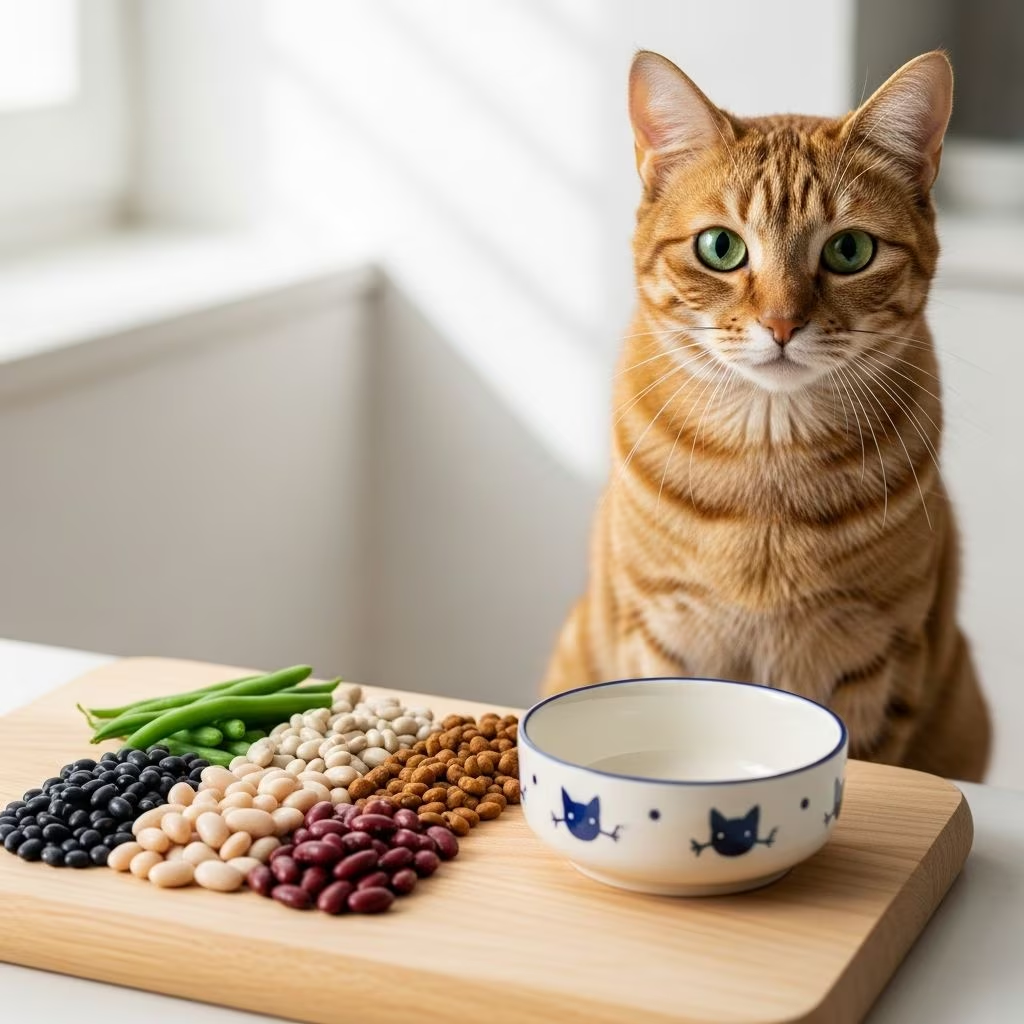
Can Cats Eat Beans?
Cats can eat beans, but with several important caveats and precautions that every cat owner should understand. In general, beans are not dangerous for cats if offered very occasionally and in strict moderation, and they don’t contain any inherently toxic elements. However, this doesn’t mean they should be a regular part of your feline’s diet. Before offering your cat any human food ingredients, it’s crucial to consult with your veterinarian, as even foods considered generally safe may not be appropriate for your specific cat based on their age, health status, and individual medical conditions.
Understanding Feline Nutritional Needs
To understand why beans aren’t ideal for cats, it’s essential to recognize that cats are obligate carnivores. Unlike humans or some other animals, cats have evolved to derive their nutritional requirements exclusively from animal tissue. This fundamental biological fact shapes every aspect of feline nutrition and explains why plant-based foods, including beans, cannot fully meet their dietary needs.
Cats require specific amino acids and nutrients that are naturally abundant in animal protein but either absent or insufficient in plant-based sources. The most critical of these is taurine, an amino acid essential for heart function, vision, and immune system health. While beans contain protein, it lacks the complete amino acid profile that cats need to thrive.
Do Beans Offer Any Nutritional Benefit to Cats?
Most humans already accept that beans are rich in protein, vitamins, minerals, and fiber—all substances that are undeniably important for health. However, the reality for cats is quite different. Cats are obligate carnivores and require these nutrients when they come from animal protein sources only. The plant-based nutrients in beans simply cannot substitute for what cats need from meat.
Cats do not need vegetables, fruits, or legumes to survive. While beans may contain beneficial compounds, the bioavailability of these nutrients for feline metabolism is limited. This means that even though beans contain certain vitamins and minerals, your cat’s body cannot efficiently extract and utilize these nutrients in the same way humans can.
Even small amounts of beans can cause stomach upset in some cats. Common issues that cats may experience after eating beans include digestive distress, which can manifest as vomiting, diarrhea, or excessive gas.
Why Raw Beans Are Particularly Dangerous
Never offer raw beans to your cat under any circumstances. Raw beans present multiple serious hazards to feline health. First, they are very hard to digest and may pose a choking hazard or cause an intestinal blockage if swallowed. Beyond these mechanical risks, raw beans may be contaminated with harmful bacteria such as E. coli and Salmonella.
Raw beans also contain lectin, a naturally occurring substance that leads to gastrointestinal distress, bloating, and clumping of red blood cells in mammals. While soaking raw beans overnight and thoroughly boiling them can cook off these toxic elements, this preparation is unnecessary for your cat’s diet and introduces unnecessary risk. Always ensure any beans offered to your cat are fully cooked and plain.
What Types of Beans Can Cats Eat?
There are numerous bean varieties available, and it’s important to know which ones are safe for your cats and which should be avoided entirely. The distinction between safe and unsafe beans can help prevent accidental poisoning or digestive upset.
Types of Beans Cats Can Eat (Offered in Moderation)
- Black beans
- Kidney beans
- Soybeans
- Pinto beans
- Green beans
- Lentils
These varieties are generally safe for cats when properly prepared. However, “safe” does not mean “beneficial” or “recommended.” They should only be offered occasionally and in very small quantities—typically less than a tablespoon—and no more than once or twice per week at most.
Unsafe Beans for Cats
- Cocoa beans
- Coffee beans
- Refried beans
- Canned beans (unless prepared specifically without additives)
- Raw beans (any variety)
- Baked beans
These varieties should never be offered to your cat. Cocoa beans and coffee beans are genuinely toxic due to their theobromine and caffeine content. Refried beans typically contain seasonings, oils, and salt that are harmful to cats. Canned beans often contain excessive sodium, preservatives, and artificial sweeteners that can cause serious health problems.
Can Cats Eat Black Beans?
Your feline can have black beans in moderation—specifically, less than a tablespoon no more than once or twice a week. The critical requirement is that the beans must be fully cooked and served completely plain. This means no added spices, salt, oils, or other seasonings whatsoever.
Avoid giving your cat any black beans that come from a can, as the excess liquid, artificial sweeteners, and seasoning soak into canned beans during storage. If you must use canned beans, rinse them thoroughly under running water and serve them plain. Even better, cook fresh or dried black beans yourself without any additives to ensure complete control over preparation.
Can Cats Eat Kidney Beans?
As long as they are cooked and served plain, it’s safe to give your cat kidney beans. The same moderation guidelines apply—less than a tablespoon, once or twice weekly at most. Never give your kitty raw, uncooked kidney beans, as these are extremely toxic to cats.
Red kidney beans, in particular, can be highly toxic when raw due to their lectin content. Always ensure kidney beans are thoroughly cooked before offering them to your cat. If preparing canned kidney beans, rinse them thoroughly to remove excess sodium before serving.
Can Cats Eat Green Beans?
Green beans are often considered the safest bean option for cats and can be offered more frequently than other bean varieties. If your cat likes green beans, it’s fine for them to have a few as an occasional treat. Green beans are considered a relatively safe and nutritious option compared to other legumes, though they should still not become a dietary staple.
It’s best to serve cats unseasoned green beans, because some seasonings, including garlic and onions, are dangerous and potentially toxic to cats. You can feed cats green beans that are cooked plain, and raw green beans are also acceptable if properly washed and trimmed. Some cat owners find that frozen green beans can be offered, though they should be thawed or cooked first to prevent choking hazards or damage to teeth and gums.
Risks and Precautions When Feeding Beans to Cats
While beans aren’t toxic to a cat, they might throw off your kitty’s digestive system. Several risks and considerations should guide your decision about bean consumption:
- Digestive Upset: Cats may experience diarrhea, excess gas, vomiting, or constipation after eating beans
- Nutritional Imbalance: Overfeeding beans can prevent cats from eating enough nutritious cat food that meets all their dietary needs
- Choking Hazard: Whole beans, especially if inadequately cooked, can pose a choking risk
- Intestinal Blockage: Hard or improperly prepared beans may cause blockages requiring veterinary intervention
- Toxic Seasonings: Many bean preparations contain garlic, onions, salt, or other harmful additives
- Lectin Contamination: Undercooked beans retain lectins that trigger gastrointestinal distress
Proper Preparation Guidelines for Bean Safety
If you decide to offer beans to your cat, follow these essential preparation guidelines:
- Always cook beans thoroughly until completely soft
- Serve beans plain without any seasonings, salt, garlic, or onions
- Rinse canned beans thoroughly to remove excess sodium and artificial ingredients
- Never offer raw beans under any circumstances
- Remove any bean skins that might pose choking hazards
- Offer only in very small quantities—less than a tablespoon
- Limit frequency to once or twice per week at most
- Monitor your cat carefully after introducing beans for any digestive symptoms
Potential Benefits of Beans for Cats
While beans cannot replace proper feline nutrition, they may offer some limited benefits when offered in appropriate quantities. Beans are chock full of fiber and have relatively low calorie content. The additional fiber a cat might get from eating beans in moderation could potentially help with weight management or support existing digestive health in some cases.
However, any perceived benefits must be weighed against the digestive upset risk and the fact that these nutrients are not optimally bioavailable for cats. It’s extremely important to consult your veterinarian before making any changes to your cat’s diet. Switching things up without professional guidance could throw off your cat’s nutrition and potentially cause more harm than good.
Frequently Asked Questions About Cats and Beans
Q: Are beans toxic to cats?
A: Most cooked beans are not toxic to cats, with the exception of cocoa beans and coffee beans, which contain harmful substances. However, raw beans can be toxic due to lectin content and bacterial contamination. Many cat owners should avoid beans altogether as they don’t provide nutritional benefits cats need.
Q: Can cats eat pinto beans?
A: Yes, cooked pinto beans are not toxic for cats, but they’re another food that cat owners should serve plain without any seasonings. Always ensure they are fully cooked and free from additives, and offer only in very small amounts as an occasional treat.
Q: What should I do if my cat eats beans accidentally?
A: If your cat accidentally eats a small amount of plain, cooked beans, monitor them carefully for symptoms such as vomiting, diarrhea, or constipation. Most cats will be fine with minimal exposure. Contact your veterinarian if symptoms develop or persist.
Q: How much bean can I safely give my cat?
A: The safe amount is very small—less than one tablespoon. Offer beans no more than once or twice per week at absolute maximum. Many veterinarians recommend avoiding beans altogether as they provide no essential nutrition for cats.
Q: Why are canned beans problematic for cats?
A: Canned beans contain high sodium levels, artificial preservatives, sweeteners, and other additives that can be harmful to cats. If using canned beans, rinse them thoroughly, but fresh or dried cooked beans are a safer option if beans must be offered.
Q: Can beans help my cat lose weight?
A: While beans are low in calories and high in fiber, they’re not an appropriate weight management tool for cats. Discuss weight management strategies with your veterinarian, who can recommend proper portion control of quality cat food instead.
References
- Can Cats Eat Beans? Vet-Approved Nutritional Facts & FAQ — Catster. 2025. https://www.catster.com/nutrition/can-cats-eat-beans/
- Can Cats Eat Green Beans? — PetMD. 2025. https://www.petmd.com/cat/nutrition/can-cats-eat-green-beans
- Can cats eat beans? – BetterPet — BetterPet. 2025. https://www.betterpet.com/learn/can-cats-eat-beans
- Can Cats Eat Beans? | Learn more on the Litter-Robot Blog — Whisker. 2025. https://www.whisker.com/blog/can-cats-eat-beans
- Can cats eat beans or are we bean silly? — Untamed Cat Food. 2025. https://untamed.com/blogs/nutrition/can-cats-eat-beans



