

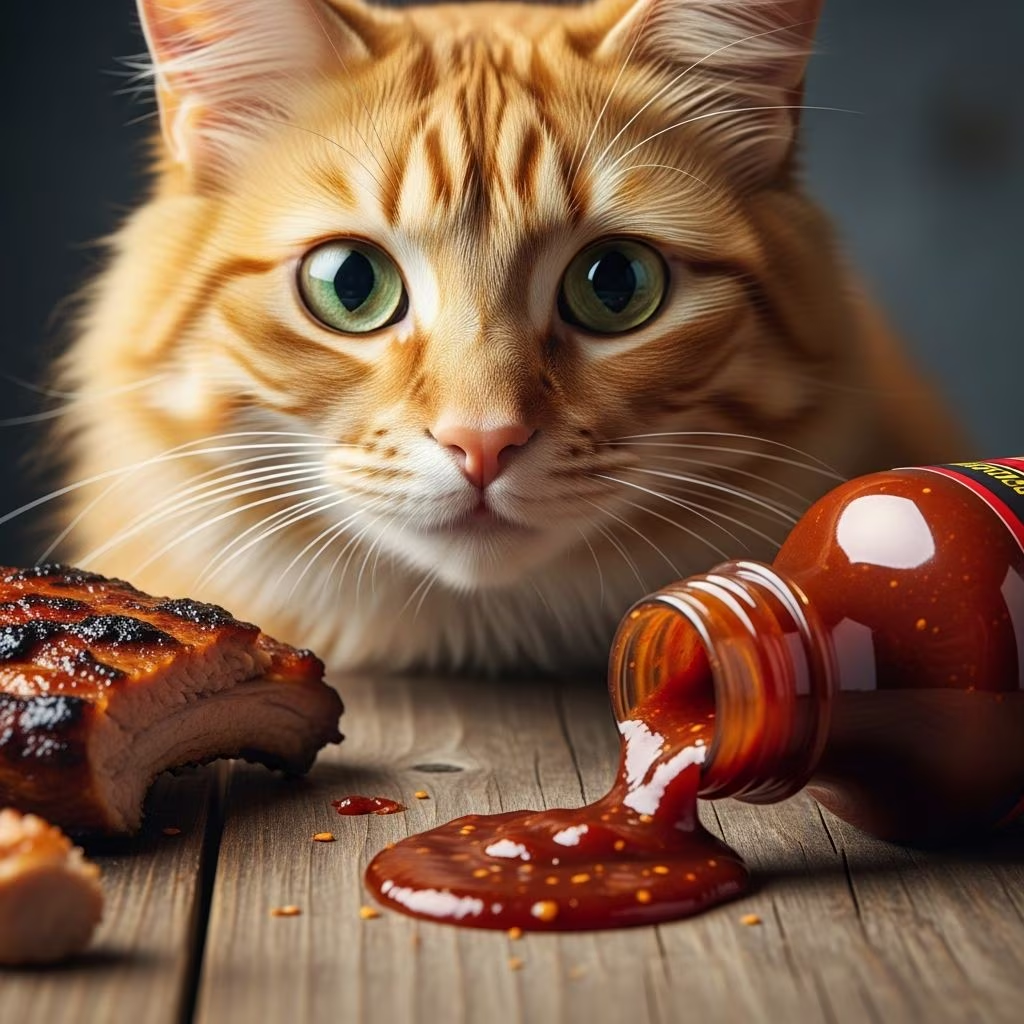
Barbecue sauce, a staple condiment for many human meals, poses significant risks to cats and should be avoided entirely. While a tiny lick might not cause immediate harm, its ingredients like onion, garlic, high salt, sugar, spices, and acids can lead to digestive upset, toxicity, anemia, and long-term health issues such as obesity or kidney problems.
Cats are obligate carnivores with sensitive digestive systems that differ markedly from humans. They lack the enzymes to process many human food additives safely, making seasoned sauces like BBQ a poor choice. This article explores the dangers in detail, potential health effects, safer alternatives, and steps to take if your cat gets into BBQ sauce.
Is BBQ Sauce Safe for Cats to Eat?
The short answer is **no, BBQ sauce is not safe for cats**. It contains multiple ingredients harmful or toxic to felines, and even non-toxic varieties offer no nutritional value while risking gastrointestinal irritation.
BBQ sauce toxicity varies by brand and recipe, but common elements include onion and garlic powders, which are definitively toxic. High sodium and sugar levels exacerbate risks, especially for cats with pre-existing conditions like kidney disease or diabetes. Veterinary experts recommend keeping all human sauces away from cats to prevent accidental ingestion.
Why Is BBQ Sauce Bad for Cats?
BBQ sauce is problematic due to its composition tailored for human palates, not feline biology. Cats cannot taste sweetness effectively and process spices poorly, leading to immediate discomfort or severe reactions.
- High Salt Content: Excessive sodium causes dehydration, increased thirst, kidney strain, and potentially salt poisoning with symptoms like vomiting, tremors, and seizures.
- Sugar and Sweeteners: Unnecessary calories contribute to obesity and diabetes; cats lack sweet taste receptors, making it metabolically disruptive.
- Spices and Acids: Ingredients like black pepper, mustard, vinegar, and tomato paste irritate the digestive tract, causing nausea, vomiting, diarrhea, and mouth burns.
- Toxic Additives: Smoke flavorings, preservatives, and artificial colors add no benefit and may cause allergic reactions or long-term issues.
Even “natural” BBQ sauces often hide harmful elements, so always scrutinize labels. A cat’s small body size amplifies dangers—even small amounts equal significant exposure relative to their weight.
Common Ingredients in BBQ Sauce That Are Toxic to Cats
Most commercial BBQ sauces share a core set of ingredients hazardous to cats. Here’s a breakdown:
| Ingredient | Why Toxic/Harmful | Potential Effects |
|---|---|---|
| Onion/Garlic Powder | Contain thiosulfate compounds causing oxidative damage to red blood cells | Anemia, weakness, pale gums, rapid breathing; as little as 5g/kg body weight toxic |
| High Sodium (Salt) | Leads to electrolyte imbalance | Salt poisoning: vomiting, lethargy, tremors, seizures |
| Sugar/Corn Syrup | Excess calories; disrupts carnivore metabolism | Obesity, diabetes, stomach upset |
| Vinegar/Tomato Paste | Acidic; irritates mucous membranes | GI upset, vomiting, diarrhea |
| Spices (Pepper, Mustard) | Irritants to sensitive feline digestion | Nausea, irritation, drooling |
Dried forms like powders in sauces are more concentrated than fresh, heightening risks. No BBQ sauce is guaranteed safe—avoid them all.
Potential Health Effects of BBQ Sauce on Cats
Effects range from mild to life-threatening, appearing within hours or days. Monitor closely after exposure.
- Immediate GI Issues: Vomiting, diarrhea, drooling, loss of appetite due to spices, acids, and sugars.
- Salt Toxicity: Excessive thirst, lethargy, weakness, tremors; severe cases lead to seizures or coma.
- Onion/Garlic Poisoning: Heinz body anemia develops over 1-5 days: pale gums, rapid heart rate, collapse.
- Long-Term Risks: Repeated exposure promotes obesity, diabetes, dental issues, and chronic kidney disease.
Kittens, seniors, and cats with health issues face amplified dangers. Bacterial risks from undercooked BBQ meats (Salmonella, E. coli, Listeria) compound sauce hazards during outdoor grilling.
What Should You Do if Your Cat Eats BBQ Sauce?
Act swiftly but calmly. Do not induce vomiting without vet guidance.
- Remove Access: Clear all sauce and contaminated food; offer fresh water.
- Monitor Symptoms: Watch for vomiting, diarrhea, lethargy, thirst, tremors, pale gums over 24-72 hours.
- Contact Vet Immediately: Provide details on amount ingested, sauce type, and cat’s weight/health. They may recommend activated charcoal, fluids, or blood tests.
- Prevent Future Incidents: Store food securely; train with commands like “leave it”.
A small lick often resolves without intervention, but err on caution—better safe than sorry.
BBQ Dangers Beyond the Sauce
Barbecues present additional perils for cats.
- Undercooked Meats: Risk Salmonella, E. coli, Listeria causing severe diarrhea/vomiting.
- Burns and Sharp Objects: Hot grills, skewers, foil edges can injure curious cats.
- Choking Hazards: Bones, grease drippings lead to obstruction or pancreatitis.
Keep cats indoors during BBQs or supervise closely in safe zones.
Healthier Alternatives: Safe Treats for Cats
Skip human foods; opt for cat-specific options providing nutrition without risks.
- Commercial Cat Treats: Low-calorie, meat-based like freeze-dried chicken.
- Plain Cooked Meats: Chicken, turkey, fish (no seasoning, bones, skin).
- DIY Cat-Safe “BBQ”: Blend plain pumpkin, broth, and tuna for a meaty puree.
- Veggies: Steamed carrot or green beans in moderation for fiber.
Treats should comprise <10% of diet; prioritize balanced kibble/wet food. Consult vets for personalized advice.
Conclusion
BBQ sauce offers no benefits for cats and substantial risks from toxic ingredients and poor digestibility. Prioritize their carnivorous needs with vet-approved foods to ensure a long, healthy life. Vigilance during mealtimes prevents mishaps—your cat’s well-being is worth it.
Frequently Asked Questions (FAQs)
Can cats eat barbecue sauce safely?
No, due to toxic onion/garlic, salt, sugar, and spices causing anemia, poisoning, and GI upset.
What ingredients in BBQ sauce are toxic to cats?
Onion/garlic powders (anemia), high salt (poisoning), sugars (obesity/diabetes).
What symptoms indicate my cat ate BBQ sauce?
Vomiting, diarrhea, lethargy, thirst, tremors, pale gums.
What should I do if my cat eats BBQ sauce?
Monitor, provide water, call vet promptly.
Is a little BBQ sauce okay for cats?
A tiny amount may not harm but risks remain; avoid entirely.
References
- Can Cats Eat Barbecue Sauce? Safety & Risks Explained — Zoorithm. 2024-01-01. https://www.zoorithm.com/cats/can-cat-eat-barbecue-sauce
- Can Cats Eat BBQ Sauce? Vet-Reviewed Facts — Catster. 2024-05-15. https://www.catster.com/nutrition/can-cats-eat-bbq-sauce/
- Can Cats Eat Barbecue Sauce? Vet-Reviewed Safety Facts — Hepper. 2024-03-20. https://articles.hepper.com/can-cats-eat-barbecue-sauce/
- Can Cats Eat Barbecue Sauce? — Waggle Pet Monitor. 2024-02-10. https://mywaggle.com/blogs/pet-food/can-cats-eat-barbecue-sauce
- Easy, Pet-Friendly BBQ Sauce Recipes for Dogs and Cats — Chewy. 2023-06-01. https://www.chewy.com/education/cat/food-and-nutrition/bbq-sauce-recipe-dog-cat



