

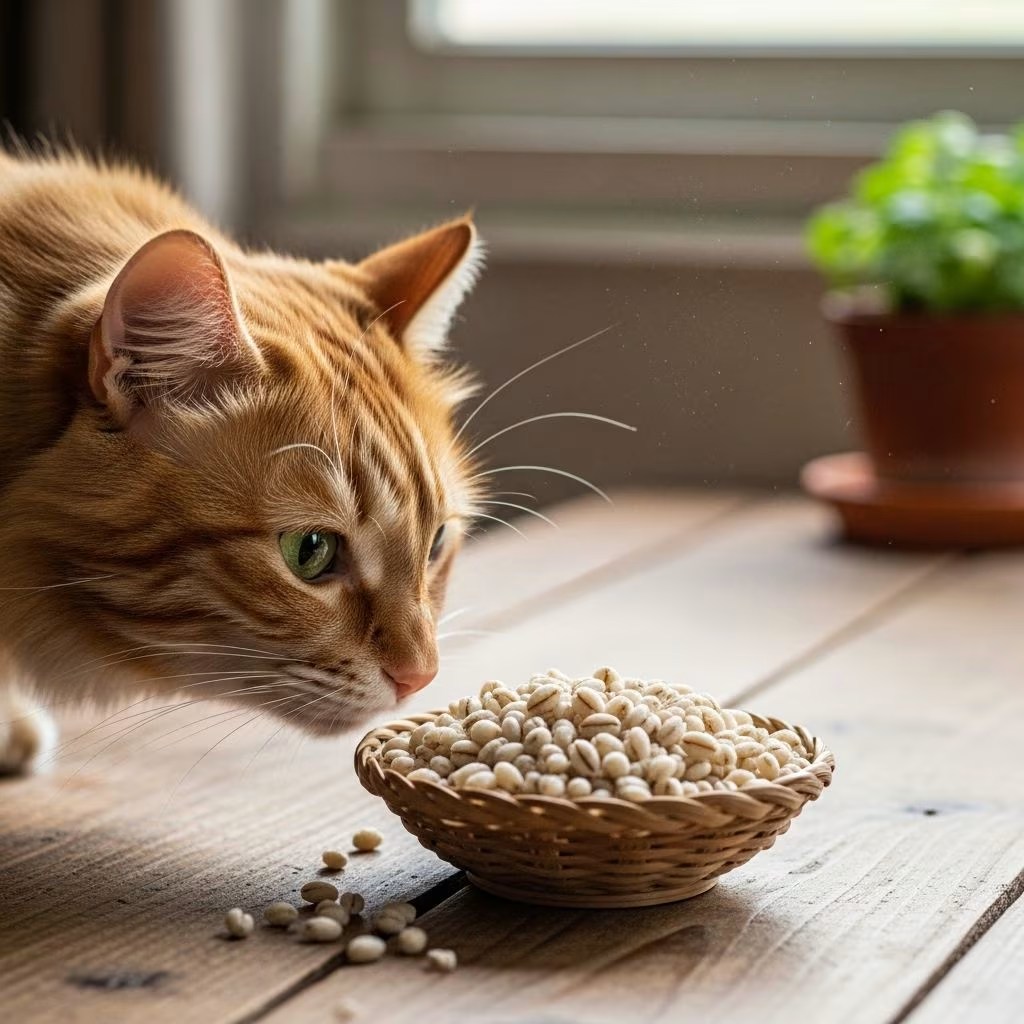
Cats are obligate carnivores, meaning their primary diet should consist of meat, but they can safely consume small amounts of barley in forms like barley grass or cooked barley. Barley provides fiber, vitamins, and minerals that support digestion and overall health, though it should not replace high-quality cat food.
What Is Barley?
Barley (Hordeum vulgare) is a versatile cereal grain, ranking as the fourth most important crop worldwide. It serves as a staple in human diets for its nutritional profile, including carbohydrates, fiber, proteins, and essential vitamins. For cats, barley is most commonly encountered as barley grass—the young shoots of the plant—or as cooked grains in occasional treats.
Barley grass, often called cat grass when grown specifically for pets, consists of tender, nutrient-dense leaves harvested early in the plant’s growth. These sprouts are rich in chlorophyll, antioxidants, and micronutrients, making them appealing to indoor cats who lack access to natural greenery. Unlike mature barley grains used in human foods like soups or beer, the grass form is easier for cats to digest and mimics the vegetation wild cats occasionally consume.
Is Barley Grass Healthy for Cats?
Yes, barley grass is highly beneficial for cats, particularly as a source of dietary fiber, vitamins K and C, beta-carotene, proteins, amino acids, chlorophyll, and trace minerals. These nutrients promote healthy skin, a shiny coat, improved digestion, and hairball prevention—especially vital for indoor cats that groom extensively.
Indoor felines often develop hairballs from ingested fur during grooming, which can lead to vomiting, blockages, or more serious issues like pancreatitis if not expelled. Barley grass acts as a natural laxative; its fibrous blades wrap around hairballs, facilitating regurgitation without harm. Vomiting after eating grass is normal and indicates effective hairball removal.
- Fiber content: Soluble and insoluble fibers support gut health and microbiome balance.
- Vitamins and antioxidants: Boost immunity, vision, and detoxification.
- Stimulation: Keeps cats mentally engaged and mimics foraging behavior.
Beyond cats, barley grass benefits humans too, often juiced or added to smoothies for its superfood status. Studies highlight its role in reducing oxidative stress, though cat-specific research emphasizes digestive perks.
Why Do Cats Eat Grass?
Cats eat grass instinctively for several reasons, with hairball management topping the list. Grooming leads to fur accumulation in the stomach, forming trichobezoars (hairballs) that cause discomfort. Grass induces vomiting to expel them safely.
Additionally, grass supplies vitamins absent in strict meat diets, such as folate and certain B vitamins. Excessive grass consumption might signal deficiencies—like vitamin B or low fiber—or underlying issues like gastrointestinal upset. Always check food labels for adequate fiber (typically 2-5% in quality kibble) and consult a vet if behavior persists.
Regular brushing reduces loose fur intake, complementing grass as a preventive measure. Growing cat grass at home provides a safe, pesticide-free option versus outdoor plants that may be toxic.
Nutritional Benefits of Barley for Cats
Barley offers a balanced nutrient profile suitable for occasional feline inclusion:
| Nutrient | Benefits for Cats |
|---|---|
| Fiber (soluble/insoluble) | Aids digestion, prevents constipation, supports hairball expulsion |
| B Vitamins (niacin, thiamine, pyridoxine) | Supports nervous system, metabolism, red blood cell production |
| Minerals (selenium, iron, magnesium, copper) | Boosts immunity, thyroid health, oxygen transport |
| Antioxidants (beta-carotene) | Protects against oxidative damage, promotes eye health |
| Protein and fatty acids | Minor energy source, skin/coat maintenance |
These align with AAFCO guidelines for supplemental nutrition, though cats derive primary energy from proteins and fats. Barley grass excels over grains due to higher bioavailability.
Can You Give Cooked Barley to Your Cat?
Cooked barley is safe in moderation for most cats, provided it’s plain, well-cooked, and not part of a grain-free prescribed diet. Boiling or steaming breaks down starches for better digestibility, delivering protein, fiber, B vitamins, essential fatty acids, and antioxidants.
Benefits include enhanced intestinal transit, immune support, and vision health. Serve as porridge or mixed into meals occasionally—limit to 5-10% of diet to avoid carb overload, as cats efficiently digest starches but prefer animal-based calories.
- Preparation tips: Cook until soft; avoid seasonings, butter, or salt.
- Portion: 1-2 teaspoons for adults; less for kittens.
- Frequency: 1-2 times weekly max.
Monitor for allergies (rare, but possible with gluten-sensitive cats). Those with IBD or allergies to grains like barley should avoid it.
Potential Risks and Considerations
While non-toxic, barley isn’t ideal as a staple. As a grain, it provides carbs that convert to sugar, potentially stressing short feline digestive tracts adapted for meat. Gluten in barley may hinder mineral absorption (iron, zinc), leading to deficiencies if overfed.
Limit to under 20% carbs in total diet for metabolic health. Foxtail barley poses penetration risks (ears, skin), so source carefully. Grain-free diets suit allergy cases, but aren’t universally superior—quality matters more.
Pregnant cats or those with conditions like diabetes should consult vets, as excess carbs affect blood sugar.
How to Feed Barley to Your Cat
Growing Barley Grass at Home
Easy and cost-effective:
- Soak barley seeds 8-12 hours.
- Sprout in soil-filled pot; cover for darkness 2 days.
- Expose to light; harvest in 7-10 days at 4-6 inches.
- Rotate pots for continuous supply.
Safe, fresh, and stimulates natural behaviors.
Safe Feeding Guidelines
- Introduce gradually to avoid tummy upset.
- Combine with balanced commercial or vet-approved homemade food.
- Observe for diarrhea, lethargy—discontinue if seen.
Alternatives to Barley for Cats
- Wheatgrass or oat grass: Similar fiber/vitamin benefits.
- Pumpkin: Pureed for fiber without grains.
- Commercial hairball remedies: Lubricants like malt paste.
Whole grains like brown rice offer comparable perks if tolerated.
Frequently Asked Questions (FAQs)
Is barley toxic to cats?
No, barley is not toxic and can be safely fed in moderation.
Can kittens eat barley grass?
Yes, in small amounts after weaning, but prioritize kitten formula.
Does barley help with hairballs?
Absolutely—its fiber promotes expulsion.
Is cooked barley better than grass?
Grass offers more targeted benefits; cooked suits variety.
Should grain-free cats eat barley?
Avoid if prescribed grain-free due to allergies.
Bottom Line
Barley, especially grass, is a safe, nutritious addition for cats, aiding digestion, hairballs, and vitality. Offer sparingly alongside meat-based diets, grow your own for best results, and vet-check for individual needs.
References
- Can Cats Eat Barley? What You Need to Know — Hepper. 2025. https://articles.hepper.com/can-cats-eat-barley/
- Is This Common Ingredient Helping or Hurting Your Pet? — Bark and Whiskers. 2025-04. https://www.barkandwhiskers.com/content/files/2025/04/can-you-feed-barley-to-your-pets.pdf
- Healthy Grains for Dogs and Cats — Animal Wellness Magazine. Accessed 2026. https://animalwellnessmagazine.com/healthy-grains-for-dogs-and-cats/
- Debunking Internet Myths: Cats Should Eat Grains — New England Cat Care. Accessed 2026. https://www.newenglandcatcare.com/post/debunking-internet-myths-cats-should-eat-grains
- Best Grass for Cats – Nutrition Guide — KittyLawn. Accessed 2026. https://kittylawn.com/blogs/news/selecting-the-ideal-grass-species-for-optimal-feline-nutrition
- Is Grain-Free Cat Food Better? — PetMD. Accessed 2026. https://www.petmd.com/cat/nutrition/grain-free-cat-food-better



