

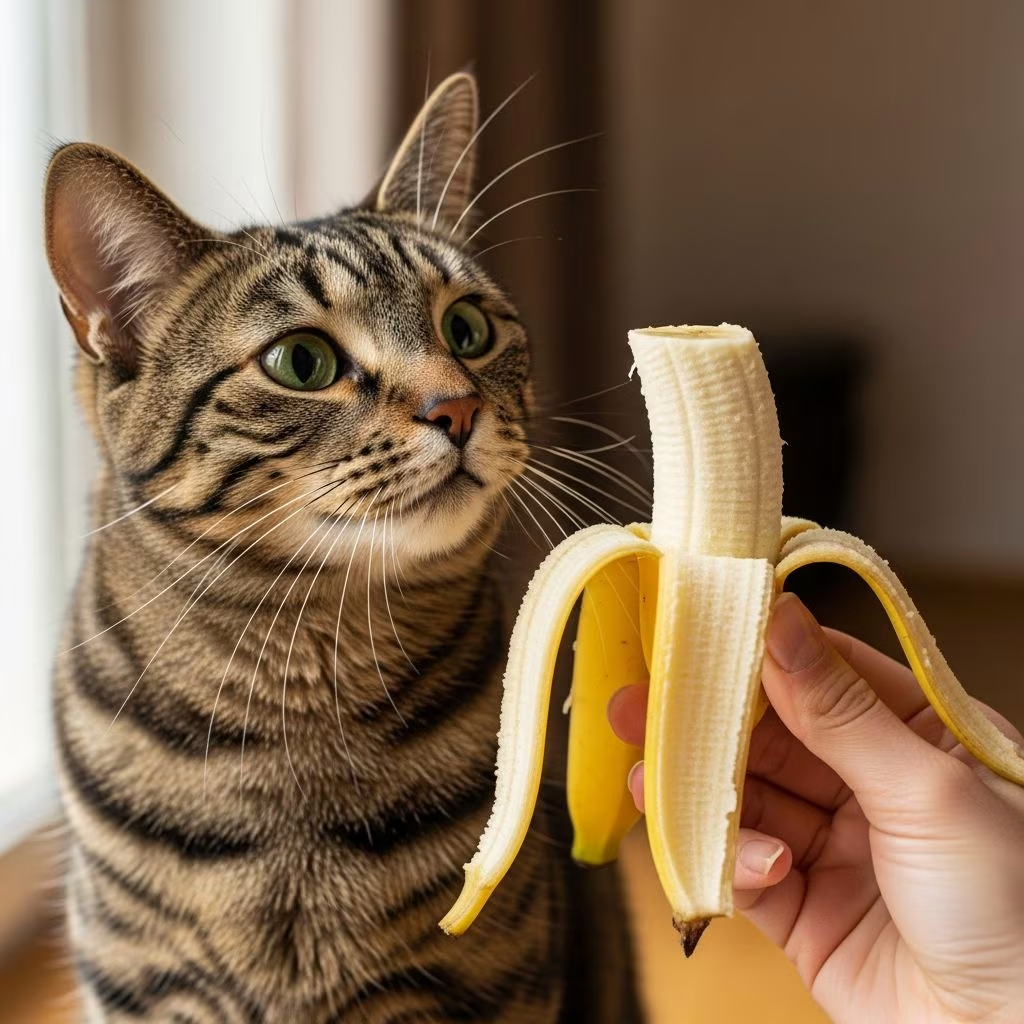
Can Cats Have Bananas?
Yes, cats can have bananas in small amounts. Bananas aren’t toxic to cats and a bite or two is generally safe as an occasional treat. However, bananas are high in sugar and carbohydrates, which cats don’t derive any health benefit from eating. Cats are obligate carnivores, meaning their bodies are specifically designed to derive nutrients from animal proteins and fats rather than plant-based foods. Because of this biological reality, moderation is absolutely key when considering bananas as a treat for your feline companion.
Key Takeaways About Cats and Bananas
- Yes, cats can eat bananas in small amounts. They’re non-toxic and safe as an occasional treat, but not essential to a cat’s diet.
- Bananas contain potassium, fiber, and prebiotics, but cats are obligate carnivores and don’t require fruit to meet their nutritional needs.
- Feeding too much banana may cause digestive issues, like vomiting or diarrhea, especially in sensitive cats or those with health conditions.
- Always remove the peel and offer bite-size pieces, and consult your vet before offering bananas to ensure it’s appropriate for your cat.
Nutritional Benefits of Bananas for Cats
While bananas contain several nutrients that are beneficial for humans and even dogs, it’s important to understand what value they actually provide to our feline friends. Let’s explore the nutritional aspects of bananas in the context of feline dietary needs.
High in Potassium
Bananas are renowned for their potassium content, and this mineral does play important roles in cats. Potassium supports healthy heart function, kidney function, and muscle function in felines. However, this is where the caveat comes in: your cat should already be getting adequate potassium from a balanced, species-appropriate diet. Additional potassium from banana treats is unnecessary and not part of a cat’s nutritional requirements.
Source of Other Essential Nutrients
Beyond potassium, bananas contain several other compounds that sound nutritionally impressive on paper. Bananas provide soluble fiber, which can support healthy digestion in cats. They also contain small amounts of vitamin C and vitamin B6, which play roles in immune function and metabolism respectively. Again, while these nutrients are present, cats obtain these substances more efficiently and appropriately from their primary protein-based diet.
Natural Prebiotics
One of the more interesting nutritional aspects of bananas is their prebiotic content. The fiber found in bananas can act as a prebiotic, essentially feeding the beneficial bacteria already present in your cat’s gastrointestinal tract. This could theoretically support digestive health. However, there are many other ways to support feline gut health that are far more aligned with a cat’s evolutionary dietary needs.
Hydration Support
Bananas are approximately 75% water, so offering a small slice could technically provide some hydration. That said, if your cat doesn’t drink water regularly, providing canned cat food instead of kibble is a far more effective solution than relying on banana treats for hydration. Cats evolved to obtain much of their moisture from their prey, and wet food mimics this natural pattern much better than a fruit treat.
Are Bananas Bad for Cats?
While bananas are certainly not toxic to felines, there are several legitimate reasons why they should only be fed in small portions or avoided altogether for certain cats. Understanding these concerns is crucial for making informed decisions about your cat’s diet.
Digestive System Limitations
Cats’ digestive systems are not well-equipped to handle plant food sources. Throughout their evolution, cats have relied on meat to survive, and their gastrointestinal tract reflects this specialization. Unlike omnivores or even dogs, cats have minimal requirements for carbohydrates in their diets. When cats consume plant-based foods like bananas, their bodies must work harder to break down and process these materials, which is inefficient and can lead to digestive upset.
High Sugar Content
One of the most significant concerns with bananas for cats is their high sugar content. Because of this elevated sugar level, if bananas are overdone as treats, they can negatively impact a cat’s health, particularly for felines with pre-existing conditions. Cats with diabetes are especially vulnerable, as excess banana consumption could exacerbate their condition. Additionally, excessive banana treats over time can contribute to weight gain, which increases the risk of obesity-related diseases including diabetes itself. Veterinarians caution that young cats shouldn’t become overly fond of sweet things, as this can establish problematic eating habits.
Weight Management Concerns
A medium banana contains approximately 89 calories. For many indoor cats whose daily caloric needs range from 150-250 calories depending on their size and activity level, a banana treat represents a significant portion of their daily caloric intake. This means bananas should be an extremely occasional snack for cats, not a regular treat.
Banana Peel Hazards
The banana peel presents specific safety concerns for cats. The peel is indigestible and poses a choking hazard, and cats should never be allowed to play with or eat banana peels. Always remove the entire peel before offering any banana to your feline friend.
Can Cats Eat Banana Bread?
No, cats absolutely should not eat banana bread. While plain bananas in tiny amounts are safe, banana bread often contains added sugar, butter, and potentially harmful ingredients like raisins or artificial sweeteners that can be dangerous or even toxic for cats. The combination of these ingredients makes banana bread unsuitable for feline consumption under any circumstances.
Special Considerations for Specific Cat Populations
| Cat Population | Banana Suitability | Considerations |
|---|---|---|
| Adult Healthy Cats | Minimal amounts acceptable | No more than a thin slice once per week |
| Senior Cats | Consult veterinarian first | Especially if managing kidney or weight issues |
| Kittens | Generally not recommended | Requires veterinary approval first |
| Obese Cats | Not recommended | High sugar and calorie content problematic |
| Diabetic Cats | Not recommended | Sugar content can disrupt glucose regulation |
How Much Banana Can a Cat Eat?
The appropriate portion size for banana treats can be remembered as “less than a thumbprint.” That’s how small your serving should be. Here are the specific guidelines for different cat populations:
Adult Cats
Adult cats in good health can safely consume no more than a thin slice of banana approximately once per week. This tiny amount provides the minimal stimulation of the nutrients mentioned earlier without introducing excessive sugar or carbohydrates into their diet.
Senior Cats
Senior cats should consult with their veterinarian before consuming bananas, especially if they’re managing kidney issues or weight concerns. Older cats often have more sensitive digestive systems and may be on specialized diets that preclude treats altogether.
Kittens
Kittens are generally not recommended to eat bananas without veterinary approval. Young cats are still developing their digestive systems and establishing dietary patterns, and introducing sweet treats at this stage isn’t advisable.
Presentation Methods
When offering banana to your cat, you have several options. You can mash the banana and offer it on a spoon, mix a tiny amount with wet food, or freeze a small dab for a textured enrichment experience. Always observe how your cat reacts, and if there’s hesitation or digestive upset following consumption, skip banana treats altogether.
Potential Risks and Individual Intolerance
Bananas may be non-toxic to cats, but that doesn’t mean they’re universally safe or well-tolerated. Just like humans, cats have individual sensitivities, and what one cat tolerates well, another might not. Some cats will develop vomiting or diarrhea after eating anything out of the ordinary, especially a sugary, starchy food like bananas.
Digestive Upset
High fiber and natural sugars in bananas can cause stomach discomfort, gas, or loose stools if given in large amounts. This is particularly true for cats with sensitive digestive systems or those not accustomed to treats outside their regular diet.
Sugar-Related Health Issues
The sugar content in bananas is potentially harmful for overweight or diabetic cats. These populations should avoid bananas entirely to prevent complications with their existing health conditions.
Best Practices for Offering Bananas to Your Cat
If you’ve decided that offering your cat a tiny banana treat is appropriate for your individual feline, follow these best practices:
- Always consult your veterinarian before introducing bananas, particularly if your cat has any health conditions or dietary restrictions
- Remove the entire banana peel before offering any fruit to your cat
- Cut or mash the banana into very small, bite-sized pieces
- Offer only a thin slice, roughly the size of a thumbprint
- Limit banana treats to no more than once per week
- Monitor your cat closely after offering bananas for any signs of digestive upset
- Discontinue banana treats if your cat shows any adverse reactions
- Never offer banana bread or other banana-based human foods
Frequently Asked Questions About Cats and Bananas
Q: Are bananas toxic to cats?
A: No, bananas are not toxic to cats. Plain bananas are safe for cats to consume in very small amounts. However, safety doesn’t mean they’re beneficial or necessary for feline nutrition, and they should only be offered as occasional treats.
Q: Why can’t cats digest plant foods well?
A: Cats are obligate carnivores, meaning their digestive systems evolved to process animal proteins and fats rather than plant-based materials. They lack certain enzymes needed to efficiently digest plant foods, making fruits and vegetables poorly suited to feline nutrition.
Q: What should I do if my cat accidentally eats banana?
A: If your cat accidentally eats a small amount of banana, there’s no need for panic. Monitor your cat for any signs of digestive upset such as vomiting or diarrhea. Contact your veterinarian if your cat shows any adverse symptoms or if they consumed a large quantity.
Q: Can banana help with my cat’s constipation?
A: While banana does contain fiber that might theoretically help with mild constipation, there are better, more appropriate options for addressing feline digestive issues. Consult your veterinarian about proper solutions for your cat’s specific digestive concerns.
Q: Is banana safe for cats with diabetes?
A: No, bananas are not recommended for diabetic cats. The high sugar content can disrupt blood glucose regulation and complicate diabetes management. Always avoid banana treats for cats with diabetes.
Q: Can kittens eat bananas?
A: Kittens are generally not recommended to eat bananas without veterinary approval. Young cats are still developing their digestive systems, and introducing sweet treats isn’t advisable during this critical developmental period.
The Bottom Line
Bananas are safe for cats to eat in very small amounts, but they’re not necessary or particularly beneficial for feline health. While bananas contain potassium, fiber, and other nutrients, cats are obligate carnivores whose nutritional needs are best met through animal-based proteins and fats. If you choose to offer your cat a banana treat, remember the “thumbprint” guideline, always remove the peel, and monitor your cat for any adverse reactions. Most importantly, consult with your veterinarian before introducing bananas, especially if your cat has any health conditions or dietary restrictions. There are many other, more appropriate treat options that align better with feline nutritional requirements and evolutionary dietary patterns.
References
- Can Cats Eat Bananas? — Chewy. 2025. https://www.chewy.com/education/cat/food-and-nutrition/can-cats-eat-bananas
- Can Cats Eat Bananas? Vet-Approved Guide to Safety and Nutrition — Noble Vet Clinic. https://noblevetclinic.com/blog/can-cats-eat-bananas
- Can Cats Eat Bananas? — PetMD. https://www.petmd.com/cat/nutrition/can-cats-eat-bananas
- Can Cats Eat Bananas? — Pumpkin Pet Insurance. https://www.pumpkin.care/post/can-cats-eat-bananas



