

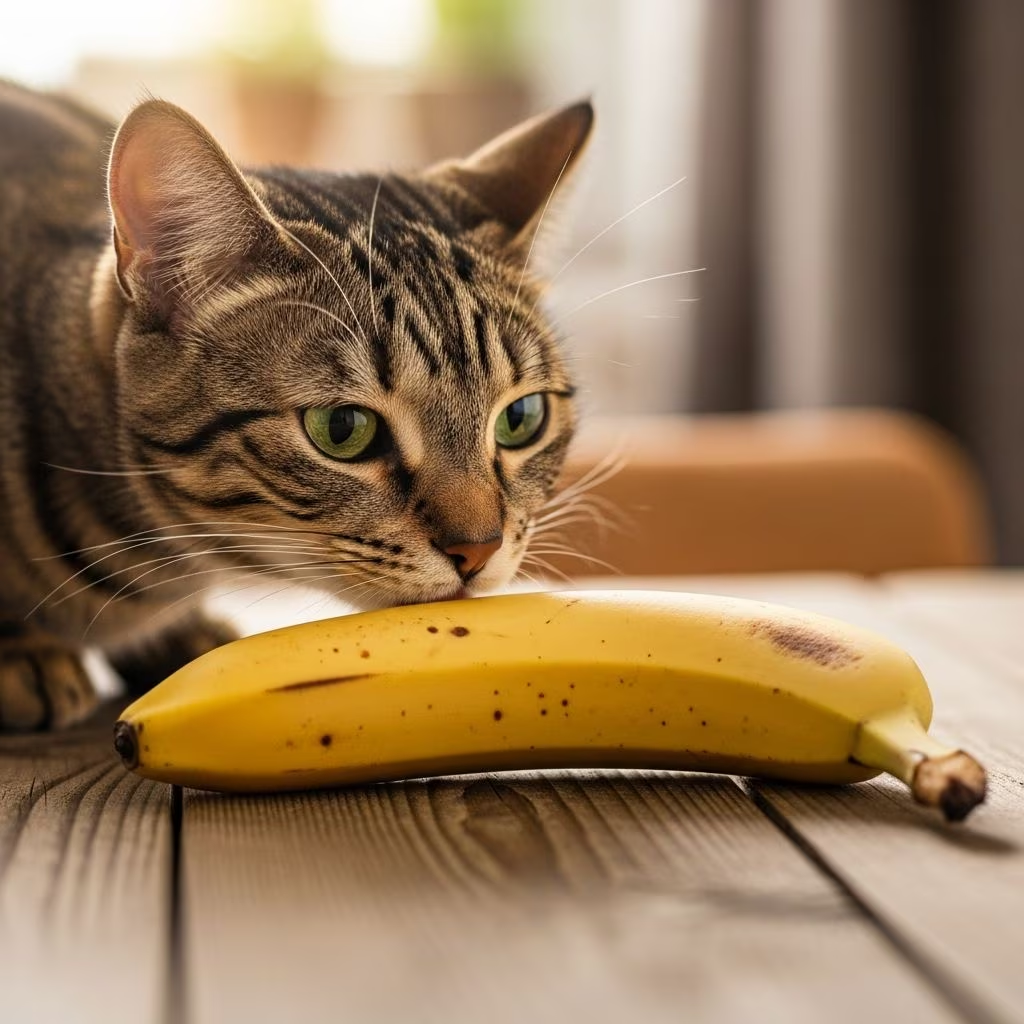
Cats can consume bananas in small amounts as they are not toxic, but due to their high sugar content and cats’ status as obligate carnivores, these fruits should only serve as rare treats rather than dietary staples.
Nutritional Profile of Bananas for Feline Diets
Bananas provide certain nutrients that might appeal to cat owners looking to diversify treats, but their value in a cat’s nutrition is limited. A medium banana contains potassium, which supports muscle and nerve function, along with vitamin B6 aiding metabolism and fiber for digestion. However, cats derive these essentials primarily from meat-based foods, making bananas unnecessary and potentially problematic in excess.
The carbohydrate-heavy nature of bananas clashes with feline biology. Cats lack the enzymes to efficiently process large sugar loads, leading experts to recommend meat-focused nutrition over fruit additions.
Potential Health Advantages of Occasional Banana Treats
- Potassium Boost: Helps maintain electrolyte balance, potentially benefiting heart and muscle health in moderation.
- Fiber Support: Soluble fiber may promote regular bowel movements and ease mild constipation for some cats.
- Vitamin B6 Contribution: Assists in protein metabolism, though readily available in quality cat foods.
These perks are minor compared to a balanced commercial diet, but a tiny piece can add variety without harm for most healthy cats.
Key Risks and Dangers to Watch For
While safe in tiny portions, bananas pose risks if overfed. High natural sugars can upset digestion, causing diarrhea, vomiting, or constipation—common in cats unaccustomed to carbs. Overweight or diabetic cats face amplified dangers, as sugars exacerbate insulin issues and promote fat gain.
| Risk Factor | Description | At-Risk Cats |
|---|---|---|
| Choking Hazard | Peels are indigestible; large chunks block airways. | All cats, especially kittens. |
| Digestive Upset | Sugar overload leads to loose stools or vomiting. | Sensitive stomachs, seniors. |
| Weight Gain | Calorie-dense; 10% treat rule often exceeded. | Obese or inactive cats. |
| Diabetes Aggravation | Spikes blood sugar levels. | Diabetic felines. |
Owners report gastrointestinal reactions post-banana, underscoring moderation.
Safe Preparation and Feeding Guidelines
To minimize hazards, prepare bananas correctly: peel fully, mash or slice into pea-sized bits, and offer no more than a 1-inch square every few weeks, equating to under 10% of daily calories. Introduce gradually, monitoring for adverse effects like lethargy or stool changes.
- Remove peel completely—non-digestible and stringy.
- Cut into tiny, manageable pieces.
- Limit to occasional treats, not daily.
- Balance by reducing other high-carb snacks.
- Consult vet for cats with health conditions.
Fresh, ripe bananas work best; avoid overripe ones with excess sugars.
Comparing Bananas to Other Cat-Safe Fruits
Bananas aren’t the top fruit choice due to sugar levels. Lower-sugar options like blueberries offer antioxidants with fewer carbs, while apples (peeled, seeded) provide fiber sans peel risks. Steer clear of toxic fruits: grapes, raisins, cherries cause kidney failure.
| Fruit | Sugar Level | Key Benefit | Safety Notes |
|---|---|---|---|
| Banana | High | Potassium, fiber | Moderation only. |
| Blueberry | Low | Antioxidants | Small handful safe. |
| Apple (peeled) | Medium | Fiber | No seeds/core. |
| Grape | High | None | Toxic—avoid. |
When to Avoid Bananas Entirely
Skip bananas for kittens under 8 weeks, whose systems can’t handle extras; pregnant/nursing queens needing precise nutrition; or seniors with weakened digestion. Vets advise against for any cat showing prior fruit intolerance. Always prioritize vet-approved foods meeting AAFCO standards.
Understanding Cats as Obligate Carnivores
Cats evolved on meat diets, excelling at protein/fat digestion but struggling with plant carbs. Commercial kibble/wet foods supply taurine, arachidonic acid—absent in fruits—preventing deficiencies like blindness. Treats enhance bonding but never replace core nutrition.
Recognizing Adverse Reactions and Next Steps
Post-banana symptoms include repeated vomiting, bloody stools, refusal to eat, or hyperactivity. Act fast: withhold food 12 hours, offer water, contact vet if persisting beyond 24 hours. Early intervention prevents dehydration.
- Vomiting/diarrhea: Hydrate, monitor.
- Lethargy/swelling: Emergency vet.
- No issues: Proceed cautiously next time.
Alternatives to Fruit Treats for Cats
Opt for meat-based delights: freeze-dried chicken, tuna flakes, or commercial treats under 10 calories each. These align with biology, satisfying cravings sans sugar risks.
Frequently Asked Questions
Are banana peels safe for cats?
No—tough, indigestible, and choking risks make peels dangerous.
Can kittens eat bananas?
Avoid; their developing guts handle solids poorly.
Do bananas help constipated cats?
Small amounts might due to fiber, but vet laxatives are safer.
Is cooked banana better than raw?
Raw is fine mashed; cooking concentrates sugars—neither ideal routinely.
How much banana per day max?
None daily; 1-inch piece biweekly at most.
Expert Tips for Treat Success
Enhance engagement: mix tiny banana bits with wet food or use as training rewards. Track intake via apps ensuring treats stay minimal. Annual vet checkups confirm dietary fit.
References
- Can Cats Eat Bananas? Safe Feeding Tips — Michu Pet. 2023. https://michupet.com/blogs/nutrition/can-cats-eat-bananas
- Can Cats Eat Bananas? — PetMD. 2024-01-15. https://www.petmd.com/cat/nutrition/can-cats-eat-bananas
- Can Cats Eat Bananas? How Much Banana Is Safe — HowStuffWorks Animals. 2023-05-10. https://animals.howstuffworks.com/pets/can-cats-eat-bananas.htm
- Can Cats Eat Bananas? A Guide to Safety — Purina. 2024. https://www.purina.com/articles/cat/feeding/can-cats-eat/banana
- Can Cats Eat Bananas? — Hill’s Pet Nutrition. 2024-02-20. https://www.hillspet.com/cat-care/nutrition-feeding/can-cats-eat-bananas



