

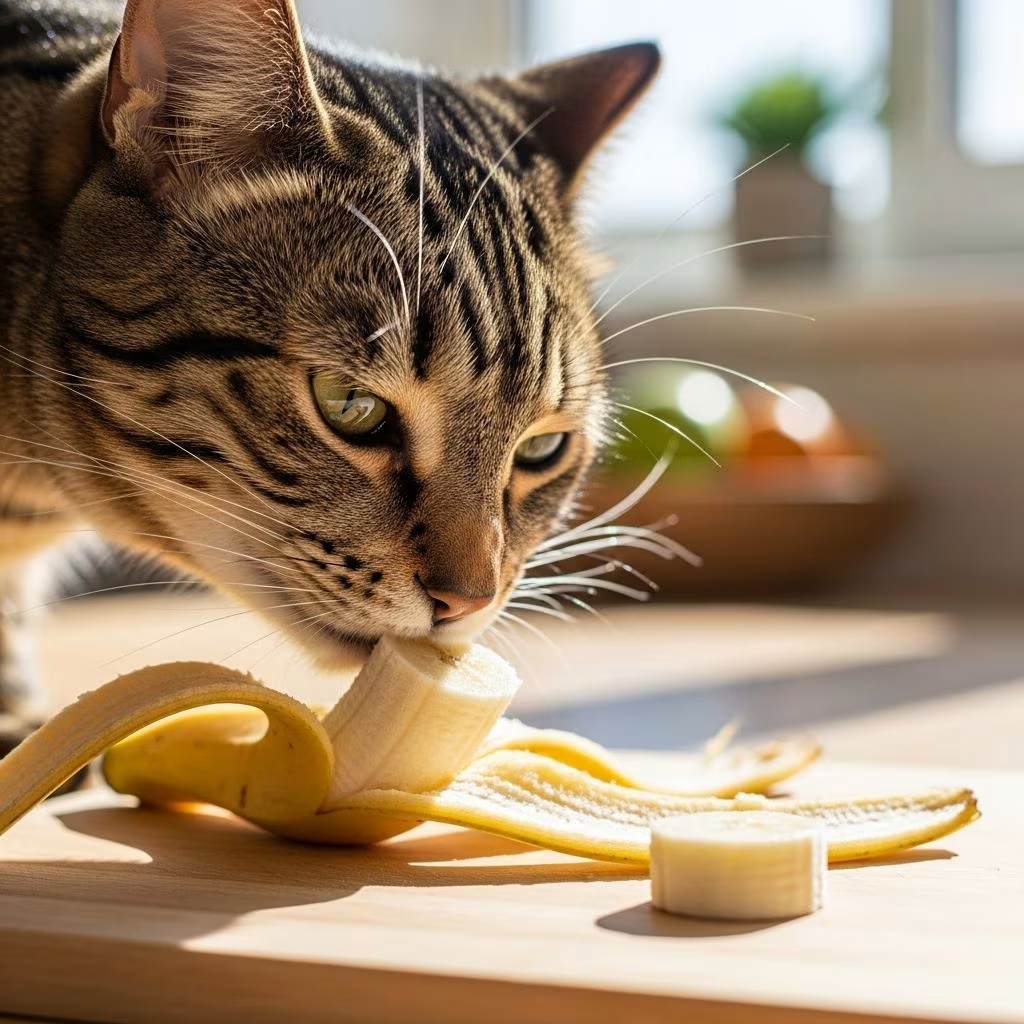
Cats can safely consume bananas in small, occasional amounts as a treat, but they should never form a staple of their diet due to high sugar content and their status as obligate carnivores. This guide delves into the nutritional profile of bananas for felines, potential hazards, preparation methods, and alternatives to ensure your cat’s well-being.
Understanding Feline Dietary Needs
Cats are obligate carnivores, meaning their bodies are evolved to derive essential nutrients primarily from animal proteins rather than plant-based foods. Commercial cat foods formulated by veterinary nutritionists provide taurine, arachidonic acid, and other vital compounds absent in fruits like bananas. Introducing fruits sporadically can add variety but risks disrupting this balance if overdone.
- Protein Priority: Cats require at least 26-30% protein from meat sources for muscle maintenance and energy.
- Fat Requirements: High-quality fats support skin health and vitamin absorption, unavailable in significant quantities in bananas.
- Minimal Carbs: Feline digestive systems inefficiently process carbohydrates, leading to potential energy spikes and crashes.
Nutritional Breakdown of Bananas for Cats
Bananas provide trace amounts of beneficial nutrients but in forms not optimized for cats. A medium banana contains about 105 calories, mostly from natural sugars like fructose, which cats metabolize poorly.
| Nutrient | Amount per 100g Banana | Benefit for Cats | Daily Cat Need (Adult) |
|---|---|---|---|
| Potassium | 358mg | Supports heart and muscle function | ~400-500mg |
| Vitamin B6 | 0.4mg | Aids metabolism and nerve health | ~1-4mg |
| Fiber | 2.6g | Promotes mild digestion aid | Minimal; excess causes issues |
| Sugars | 12g | Energy source but risky for weight | <5g ideal |
While potassium aids electrolyte balance and vitamin B6 supports enzyme production, cats obtain these adequately from prey-mimicking kibble or wet food. Fiber may gently bulk stool, beneficial for occasional constipation, but excess leads to loose stools.
Potential Health Benefits of Bananas
In moderation, bananas can offer subtle perks without replacing core nutrition.
- Hydration Boost: High water content (75%) helps during hot weather or dehydration episodes.
- Gut Health Support: Soluble fiber fosters beneficial bacteria, potentially easing mild digestive slowdowns.
- Palatability Appeal: The creamy texture entices picky eaters, masking medication if vet-approved.
- Low-Calorie Option: A tiny slice (5-10 calories) satisfies curiosity without major caloric overload.
Studies on feline nutrition emphasize treats comprising no more than 10% of daily intake to avoid deficiencies.
Key Risks and Dangers Associated with Bananas
Despite safety, bananas carry caveats, especially for vulnerable cats.
- Sugar Overload: High glycemic index spikes blood sugar, exacerbating diabetes or obesity in 20-30% of indoor cats.
- Digestive Distress: Lactose-like sugar intolerance causes vomiting, diarrhea, or gas in sensitive individuals.
- Choking Hazard: Unpeeled or whole pieces pose aspiration risks; peels are indigestible and stringy.
- Allergic Reactions: Rare but possible itching, swelling, or lethargy; monitor first exposure.
- Weight Gain: Sedentary cats convert unused carbs to fat, contributing to joint strain.
UC Davis Veterinary Medicine notes dietary indiscretion as a top GI upset cause, with fruits like bananas implicated.
Safe Preparation and Feeding Guidelines
To minimize risks, follow these steps meticulously.
- Select Ripe Bananas: Choose yellow, spotty ones for optimal sweetness and digestibility; avoid green for lower sugar.
- Peel Thoroughly: Discard skin entirely—it’s tough and pesticide-laden.
- Portion Control: Limit to 1/4-1/2 teaspoon per 5 pounds of body weight, 1-2 times weekly max.
- Cut Small: Dice into pea-sized bits to prevent gulping.
- Mash if Needed: For kittens or seniors, blend into a paste mixed with regular food.
- Introduce Gradually: Start with a tiny amount, observe 24-48 hours for reactions.
For a 10-pound cat, one thin slice weekly suffices as a treat.
Special Considerations for Health Conditions
Not all cats tolerate bananas equally.
- Diabetic Cats: Strictly avoid; sugars destabilize insulin.
- Overweight Cats: Skip entirely; opt for zero-calorie play rewards.
- Kittens: Wait until 8-12 weeks; their systems prioritize milk/formula.
- Senior Cats: Fine if no GI issues, but consult vet for kidney concerns (potassium load).
- Post-Surgery: Only if vet clears, as healing demands protein focus.
Always prioritize veterinary input for chronic conditions.
Comparing Bananas to Other Feline-Safe Fruits
| Fruit | Safety Level | Key Nutrients | Risks | Recommended Amount |
|---|---|---|---|---|
| Banana | Moderate | Potassium, B6 | High sugar | Small slice weekly |
| Blueberry | High | Antioxidants | Low | 1-2 berries daily |
| Apple (no seeds) | Moderate | Fiber, Vit C | Sugar | Thin slice daily |
| Watermelon (no rind) | High | Hydration | Minimal | Cubed, occasional |
| Cantaloupe | Moderate | Vit A | Sugar | Small cubes |
Blueberries edge bananas with superior antioxidants sans excessive carbs.
Dangerous Fruits to Avoid Completely
Steer clear of these toxic options:
- Grapes/Raisins: Acute kidney failure.
- Cherries: Cyanide in pits.
- Citrus: Vomiting, diarrhea from oils.
- Avocado: Persin toxin.
Frequently Asked Questions
Can kittens eat bananas?
Kittens under 6 months should avoid solids beyond weaning food; older ones can have mashed bits sparingly.
Do bananas make cats hyper?
The sugar rush may briefly energize, but crashes follow; not ideal for behavior.
Are banana peels toxic?
Non-toxic but indigestible, risking blockage or choking.
How often can I give banana treats?
Once weekly max, under 10% total calories.
What if my cat ate a whole banana?
Monitor for vomiting/diarrhea; contact vet if persistent.
Expert Tips for Treat Success
Enhance bonding with safe innovations:
- Mix mashed banana with tuna for appeal.
- Freeze slices for dental stimulation.
- Use as training rewards in micro-doses.
Track intake via apps to maintain balance. Consult holistic vets for personalized plans.
References
- Can Cats Eat Bananas? Safe Feeding Tips – MichuPet — MichuPet. 2023. https://michupet.com/blogs/nutrition/can-cats-eat-bananas
- Can Cats Eat Bananas? – PetMD — PetMD. 2023. https://www.petmd.com/cat/nutrition/can-cats-eat-bananas
- Can Cats Eat Bananas? Safe Feeding Tips for Cat Owners – PetPlace — PetPlace. 2023. https://www.petplace.com/article/cats/pet-health/cat-health/cat-diet-nutrition/can-cats-eat-bananas
- Can Cats Eat Bananas? How Much Banana Is Safe for a Cat? – HowStuffWorks — HowStuffWorks. 2023. https://animals.howstuffworks.com/pets/can-cats-eat-bananas.htm
- Can Cats Eat Bananas? A Guide to Safety | Purina US — Purina. 2023. https://www.purina.com/articles/cat/feeding/can-cats-eat/banana
- Can Cats Eat Bananas? – Hill’s Pet Nutrition — Hill’s Pet Nutrition. 2023. https://www.hillspet.com/cat-care/nutrition-feeding/can-cats-eat-bananas



