

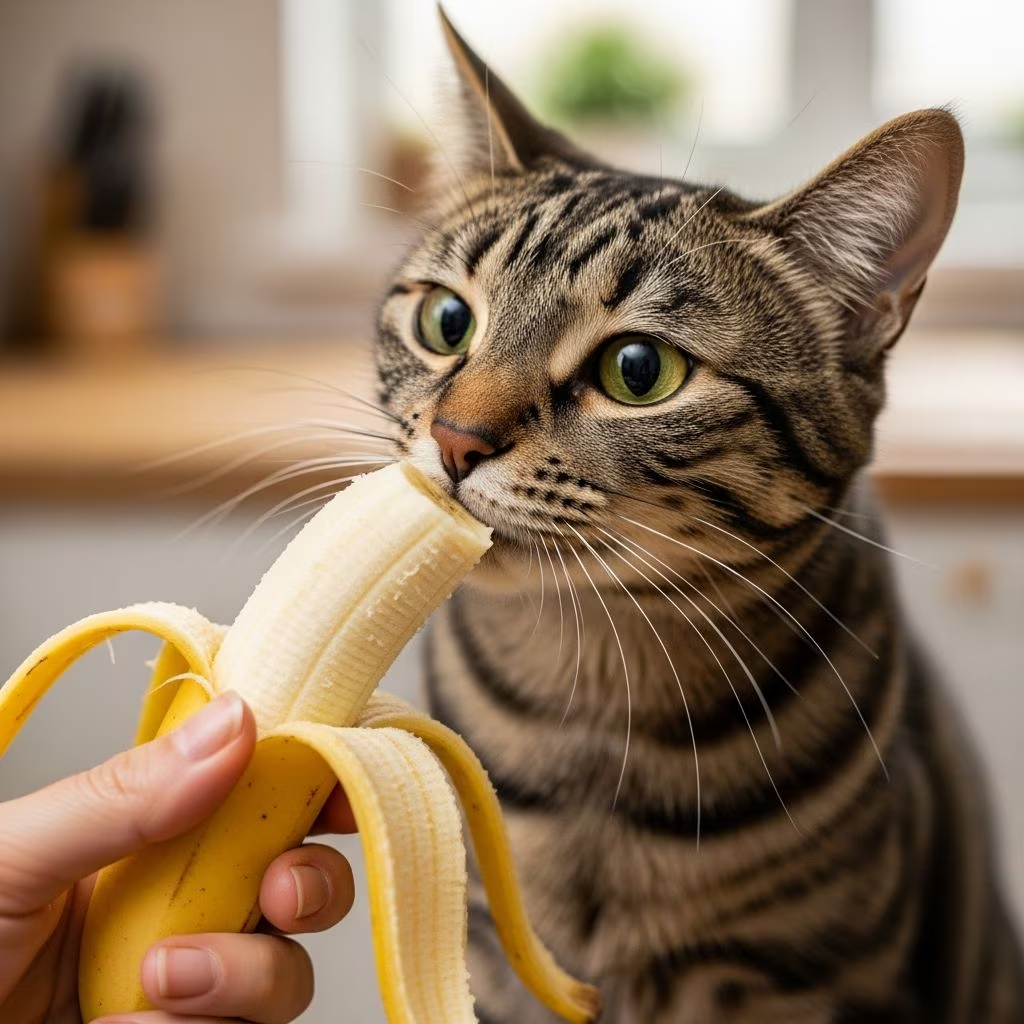
Cats are obligate carnivores, meaning their diet should primarily consist of meat-based proteins and fats. However, many cat owners wonder if occasional fruits like bananas can be safely shared with their feline friends. The good news is that bananas are non-toxic to cats and can be offered in small amounts as an infrequent treat. That said, they provide minimal nutritional value for cats and come with potential risks if overfed. This article dives deep into the safety, benefits, drawbacks, and best practices for feeding bananas to cats, drawing from veterinary insights to help you make informed decisions.
Are Bananas Safe for Cats?
Yes, the flesh of ripe bananas is safe for most cats when given sparingly. Unlike toxic foods such as chocolate, grapes, or onions, bananas pose no immediate poisoning risk. Veterinary sources confirm that the fruit itself is non-toxic, making it one of the safer human foods for occasional feline consumption.
However, safety doesn’t equate to suitability. Cats lack the enzymes to efficiently digest carbohydrates and sugars abundant in bananas. Their taste buds also have fewer receptors for sweetness, so many cats show little interest anyway. The peel, however, is a different story—it’s tough, indigestible, and a choking hazard, so it must be removed entirely. Never allow your cat to chew on or play with banana peels, as they can lead to intestinal blockages or dental issues.
For kittens, seniors, or cats with health conditions, extra caution is advised. Always consult a veterinarian before introducing new foods, especially if your cat has diabetes, obesity, or gastrointestinal sensitivities.
Nutritional Value of Bananas for Cats
Bananas are nutrient-dense for humans, packed with potassium, vitamin B6, vitamin C, fiber, and natural sugars. A medium banana contains about 422 mg of potassium, 0.4 mg of vitamin B6, and 3 grams of fiber. These elements support heart health, muscle function, and digestion in people.
For cats, the story is less compelling. As obligate carnivores, felines derive essential nutrients from animal sources. Their short digestive tracts are optimized for protein and fat, not plant matter. Here’s a breakdown of banana nutrients relevant to cats:
| Nutrient | Amount in Banana (per 100g) | Benefit for Cats | Cat Dietary Need |
|---|---|---|---|
| Potassium | 358 mg | Supports muscle and heart function | Met via meat; excess unnecessary |
| Vitamin B6 | 0.4 mg | Aids metabolism | Abundant in quality cat food |
| Fiber | 2.6 g | May help mild constipation | Not required; can cause upset |
| Sugars/Carbs | 12 g | Quick energy | Poorly digested; risk of obesity |
While a tiny amount of fiber might aid digestion in constipated cats, bananas aren’t a reliable source. Veterinary nutritionists emphasize sticking to complete, balanced cat foods that meet AAFCO standards over fruit supplements. In hot climates or for dehydrated cats, the moisture in mashed banana could offer minor hydration benefits, but water or wet food is preferable.
Potential Risks and Side Effects
Though safe in tiny portions, bananas carry risks due to their composition:
- High Sugar Content: Bananas have a high glycemic index, which can spike blood sugar. This is problematic for diabetic cats or those prone to obesity, potentially leading to weight gain or insulin resistance.
- Digestive Upset: Excess fiber and carbs can cause diarrhea, vomiting, gas, or constipation. Cats with sensitive stomachs are especially vulnerable.
- Choking Hazard: Thick chunks or peels can obstruct airways or intestines.
- Allergic Reactions: Rare, but watch for itching, swelling, or lethargy after feeding.
- Caloric Density: Treats should not exceed 10% of daily calories. A small slice (about 10 calories) adds up quickly.
Symptoms of intolerance include loose stools, regurgitation, or refusal to eat regular food. If observed, discontinue immediately and contact your vet. Cats with kidney disease may need to avoid excess potassium.
How to Safely Feed Bananas to Cats
If you decide to offer banana, preparation and portion control are key:
- Portion Size: Limit to a thin slice (1-inch square or thumbnail-sized) no more than once a week for adults. Kittens: Avoid unless vet-approved. Seniors/diabetic cats: Consult vet first.
- Preparation: Peel the banana, mash or slice finely. Remove strings. Serve plain—no added sugar, chocolate, or toppings.
- Serving Ideas:
- Mix a dab into wet food for flavor.
- Freeze small bits for a cool treat in summer.
- Offer on a spoon for licking practice.
- Monitoring: Introduce gradually and observe for 24-48 hours. Balance by reducing other treats that day.
Pro tip: Cats may ignore bananas due to low sweetness appeal. If they beg, opt for cat-safe alternatives like freeze-dried meat treats.
Benefits of Bananas for Cats
While not essential, minimal benefits exist in moderation:
- Dental Health: Chewing soft banana may gently clean teeth (better with vet dental treats).
- Hydration Boost: High water content (75%) aids hydration.
- Enrichment: Novel texture stimulates play and curiosity.
- Fiber for Digestion: Occasional use may ease mild constipation.
- Potassium Support: Minor electrolyte balance in active cats.
These perks are outweighed by risks for most cats. Veterinary experts like those at PetMD recommend meat-based rewards over fruits.
Alternatives to Bananas for Cats
For healthier treats, consider:
- Commercial cat treats (low-carb, high-protein).
- Plain cooked meat (chicken, turkey).
- Catnip or silver vine for stimulation.
- Vegetables like steamed pumpkin (vet-approved fiber source).
- Fish oil capsules for omega-3s.
Avoid high-carb fruits like grapes (toxic) or dried fruits (concentrated sugars).
Common Myths About Cats and Bananas
- Myth: Bananas are a superfood for cats. Fact: Minimal benefits; meat is superior.
- Myth: Peels are safe. Fact: Choking risk.
- Myth: Daily bananas are fine. Fact: Leads to health issues.
Frequently Asked Questions (FAQs)
Can all cats eat bananas?
Most can in tiny amounts, but avoid for kittens, diabetics, obese cats, or those with GI issues. Consult a vet.
How much banana is too much for a cat?
No more than a 1-inch slice every 1-2 weeks. Treats ≤10% daily calories.
What if my cat eats a whole banana?
Monitor for vomiting/diarrhea. Contact vet if symptoms persist.
Are banana peels toxic?
Not toxic but indigestible and hazardous.
Why do some cats love bananas?
The texture or mild scent appeals, despite low sweetness detection.
In conclusion, while cats can eat bananas safely in very small, occasional amounts, they’re not a necessary or ideal part of a feline diet. Prioritize high-quality cat food and vet guidance for optimal health. Sharing a tiny bite can be a fun bonding moment, but moderation ensures it remains harmless.
References
- Can Cats Eat Bananas? Vet-Approved Guide to Safety and Nutrition — Noble Vet Clinic. 2024. https://noblevetclinic.com/blog/can-cats-eat-bananas
- Can Cats Eat Bananas? — PetMD. 2024. https://www.petmd.com/cat/nutrition/can-cats-eat-bananas
- Can Cats Eat Bananas? A Guide to Safety — Purina US. 2024. https://www.purina.com/articles/cat/feeding/can-cats-eat/banana
- Can Cats Eat Bananas? How Much Banana Is Safe for a Cat? — HowStuffWorks. 2024. https://animals.howstuffworks.com/pets/can-cats-eat-bananas.htm
- Can Cats Eat Bananas? Discover here — Dreamies UK. 2024. https://www.dreamiestreats.co.uk/did-you-know/can-cats-eat-bananas
- Can Cats Eat Bananas? — Hill’s Pet Nutrition. 2024. https://www.hillspet.com/cat-care/nutrition-feeding/can-cats-eat-bananas



