

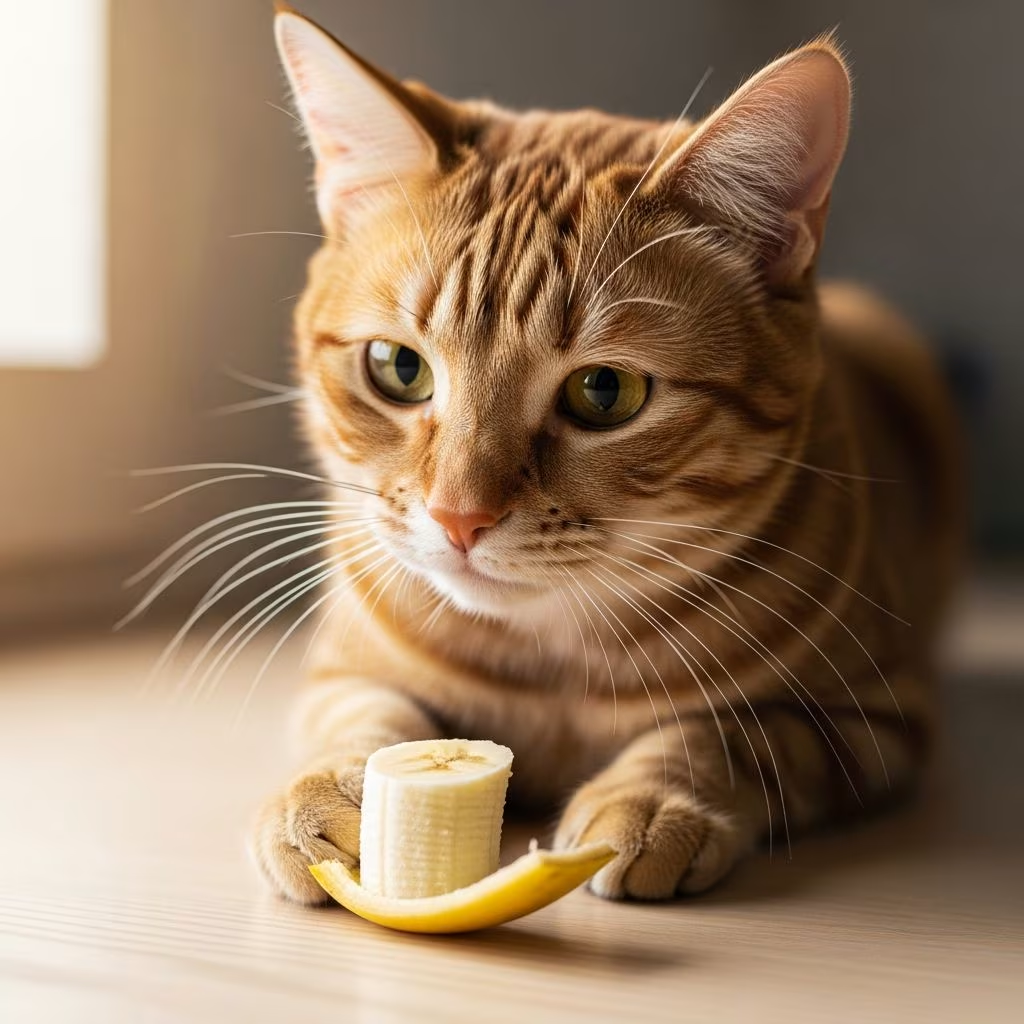
Bananas are a popular, nutrient-rich fruit for humans, packed with potassium, vitamins, and fiber. But can cats eat bananas safely? The answer is yes, bananas are non-toxic and safe for cats in small amounts, but they are not a necessary part of a feline diet. As obligate carnivores, cats derive essential nutrients primarily from meat, and fruits like bananas offer limited benefits while carrying risks such as high sugar content that can lead to digestive upset or weight gain.
This comprehensive guide explores whether cats can eat bananas, their potential benefits, risks involved, safe preparation methods, and healthier treat alternatives. Understanding these factors helps cat owners make informed choices to support their pet’s health without introducing unnecessary hazards.
Are Bananas Safe for Cats?
Bananas pose no immediate toxicity risk to cats, making them one of the safer human fruits for felines. Veterinary sources confirm that the flesh of ripe bananas is generally well-tolerated when offered occasionally in tiny portions. However, safety depends on moderation; cats’ digestive systems are optimized for protein and fat from animal sources, not carbohydrates and sugars abundant in bananas.
Key safety considerations include:
- Peel removal: Banana peels are indigestible, tough, and a choking hazard—never offer them to cats.
- Portion control: Limit to 3-10 grams (a small slice) per day for an average adult cat, comprising no more than 10% of daily caloric intake.
- Health status: Avoid for obese, diabetic, or kidney-compromised cats due to sugar and potassium levels.
Individual tolerances vary; monitor for vomiting, diarrhea, or lethargy after introduction. Always consult a veterinarian before adding new foods, especially for cats with pre-existing conditions.
Nutritional Value of Bananas for Cats
While bananas provide humans with vitamins and minerals, their value for cats is minimal. Cats efficiently metabolize nutrients from prey, rendering plant-based sources redundant. Here’s a breakdown:
| Nutrient | Amount in Banana (per 100g) | Benefit for Cats | Cat Dietary Need Met? |
|---|---|---|---|
| Potassium | High | Supports nerve/muscle function | Already met via meat |
| Vitamin B6 | Moderate | Aids metabolism | Available in quality cat food |
| Fiber | Moderate | May ease mild constipation | Excess causes GI upset |
| Sugar/Carbs | High (12g) | Energy source | Not required; risks obesity |
| Calories | 89 | N/A | High for treats |
Bananas offer trace benefits like potassium for heart health and vitamin B6 for enzyme function, but commercial cat foods fulfill these needs comprehensively. Fiber might aid digestion in small doses, yet overfeeding disrupts gut flora.
Benefits of Feeding Bananas to Cats
In moderation, bananas can provide minor perks, though they pale compared to meat-based treats. Potential upsides include:
- Digestive aid: Soluble fiber adds bulk to stool, potentially relieving mild constipation without laxatives.
- Nutrient boost: Potassium supports hydration and muscle function, useful in hot climates or for active cats.
- Vitamin support: B6 contributes to red blood cell formation and nervous system health.
- Hydration helper: High water content (75%) can encourage fluid intake in picky drinkers.
- Training treat: Mash into small, soft pieces for positive reinforcement during play or vet visits.
These benefits are not unique to bananas; alternatives like pumpkin puree offer similar fiber without excess sugar. Veterinary nutritionists emphasize that treats should enhance, not replace, a balanced diet.
Risks and Dangers of Bananas for Cats
Despite safety, bananas carry notable risks for cats due to their physiology. Primary concerns:
- High sugar: Natural sugars (fructose) overwhelm feline insulin response, risking diabetes, obesity, or hyperglycemia.
- Digestive upset: Excess fiber and carbs cause diarrhea, vomiting, gas, or constipation.
- Choking hazard: Whole slices or peels can block airways.
- Caloric density: 89 calories per medium banana adds up quickly in small cats (200-300 daily calories needed).
- Potassium overload: Harmful for cats with chronic kidney disease.
Cats with sensitivities may show allergies (itching, swelling) rarely, warranting immediate vet attention. Over-reliance on fruits displaces protein-rich meals, leading to deficiencies.
How to Safely Feed Bananas to Your Cat
To minimize risks, follow these vet-approved steps:
- Select ripe bananas: Yellow, soft flesh is easiest to digest; avoid green (indigestible starch) or overripe (fermented sugars).
- Prepare properly: Peel completely, mash or slice into pea-sized pieces to prevent choking.
- Introduce gradually: Start with 1/4 teaspoon, observe 24-48 hours for reactions.
- Frequency: Once weekly max, as an occasional treat—not daily.
- Storage: Refrigerate leftovers; freeze mash for longer shelf life.
- Enhance appeal: Mix tiny amounts with wet food or tuna water if unenthusiastic.
Never force-feed; some cats naturally avoid fruits due to lacking sweet taste receptors.
Better Alternatives to Bananas for Cats
Opt for species-appropriate treats over bananas for superior nutrition. Recommended options:
- Commercial cat treats: Freeze-dried meat (chicken, salmon) for protein punch.
- Vegetables: Steamed broccoli or green beans—low-calorie fiber sources.
- Fruits: Blueberries (antioxidants, low sugar) or cantaloupe (hydration, fewer carbs).
- Pumpkin: Plain canned for fiber without sugars.
- Bonito flakes or minnows: Irresistible, nutrient-dense toppers.
These align better with carnivorous needs, supporting dental health, coat quality, and vitality.
Frequently Asked Questions
Can kittens eat bananas?
No, avoid bananas for kittens under 1 year; their developing guts can’t handle sugars. Stick to kitten formula and weaning foods.
Are banana peels safe for cats?
Absolutely not—peels cause choking, blockages, and pesticide exposure.
Can diabetic cats have bananas?
No; high glycemic index spikes blood sugar. Consult vet for safe alternatives.
How much banana can I give my cat?
Max 1-2 small slices (3-10g) weekly for adults; less for small breeds.
Why does my cat love bananas?
The creamy texture mimics meat fat; most lack sweet receptors but enjoy consistency.
Conclusion
Bananas can be a fun, occasional treat for healthy cats but aren’t essential or ideal due to sugar risks and minimal nutritional payoff for obligate carnivores. Prioritize vet-recommended diets, using bananas sparingly under supervision. When in doubt, choose meat-based rewards for thriving felines. Regular check-ups ensure tailored nutrition for your cat’s lifespan.
References
- Can Cats Eat Bananas? Safe Feeding Tips — MichuPet. 2023. https://michupet.com/blogs/nutrition/can-cats-eat-bananas
- Can Cats Eat Bananas? Vet-Approved Guide to Safety and Nutrition — Noble Vet Clinic. 2024. https://noblevetclinic.com/blog/can-cats-eat-bananas
- Can Cats Eat Bananas? — PetMD. 2024-01-15. https://www.petmd.com/cat/nutrition/can-cats-eat-bananas
- Can Cats Eat Bananas? — Pumpkin Pet Insurance. 2023. https://www.pumpkin.care/post/can-cats-eat-bananas
- Can Cats Eat Bananas? Safety, Benefits & Risks — Rover.com. 2024. https://www.rover.com/blog/can-cats-eat-bananas/
- Can Cats Eat Bananas? A Guide to Safety — Purina US. 2024. https://www.purina.com/articles/cat/feeding/can-cats-eat/banana
- Can Cats Eat Bananas? — Hill’s Pet Nutrition. 2023. https://www.hillspet.com/cat-care/nutrition-feeding/can-cats-eat-bananas



