

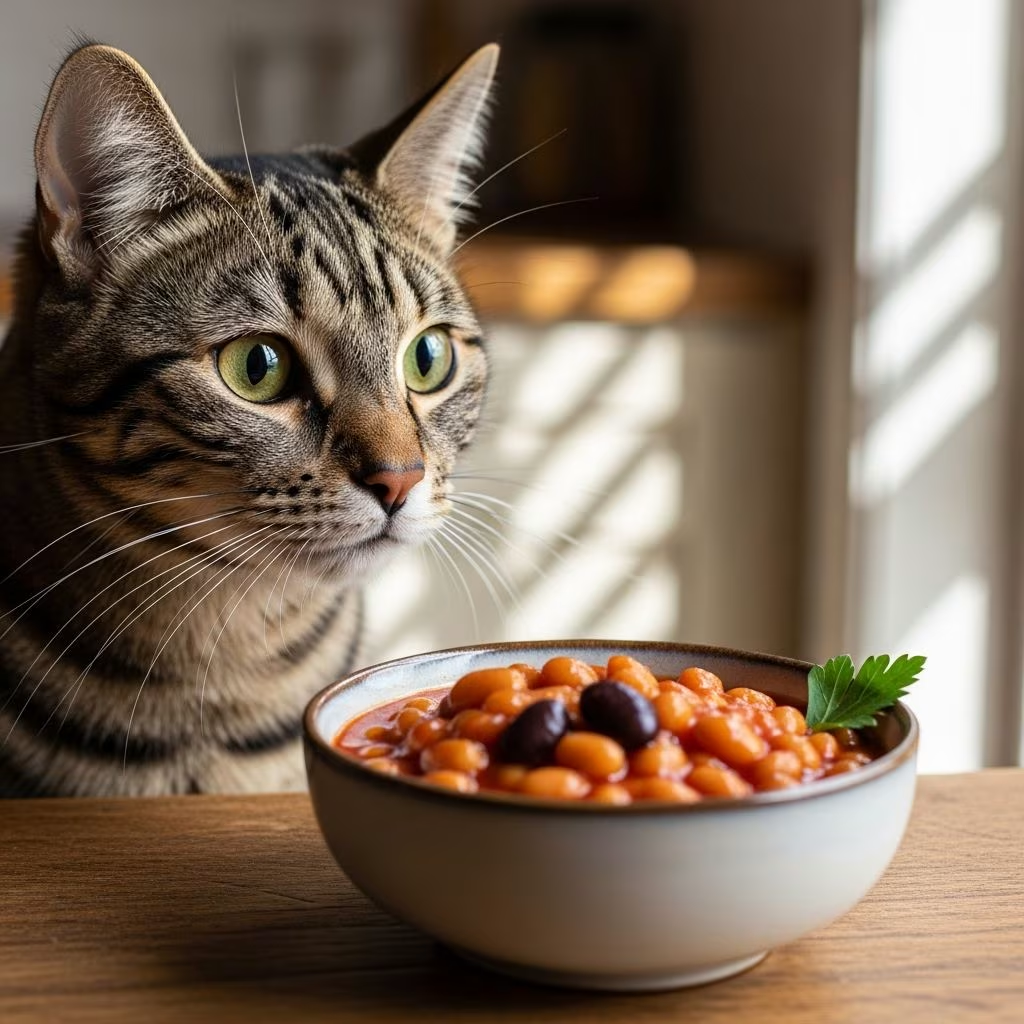
Cats are obligate carnivores, meaning their diet should primarily consist of meat-based proteins tailored to their unique nutritional needs. Baked beans, a popular human food made from beans simmered in a sweet and savory sauce, are not suitable for cats due to harmful ingredients, high sodium content, and poor digestibility. While a tiny accidental nibble might not cause immediate harm, regular or intentional feeding can lead to serious health issues like toxicity, digestive upset, obesity, and kidney strain. This comprehensive guide explores the risks, nutritional mismatches, and safer alternatives to keep your feline healthy.
So, Are Baked Beans Safe for Cats?
No, baked beans are not safe for cats and should be strictly avoided. Canned baked beans, the most common variety, contain high levels of salt used as a preservative and flavor enhancer, which can dehydrate cats and strain their kidneys since felines require a low-sodium diet. Many recipes include onions and garlic—both toxic to cats as they damage red blood cells, potentially causing hemolytic anemia. Added sugars contribute to obesity and diabetes risk, while the beans’ high fiber content leads to gas, bloating, diarrhea, or vomiting because cats lack the enzymes to digest complex plant carbohydrates effectively.
Even plain baked beans without sauce pose problems. Cats’ short digestive tracts and acidic stomachs are optimized for animal proteins, not legumes. Introducing beans disrupts this balance, offering no essential nutrients like taurine that cats must get from meat sources. Veterinary experts unanimously advise against sharing baked beans, emphasizing a species-appropriate diet to prevent long-term health complications.
Why Are Baked Beans Bad for Cats?
Baked beans combine several elements detrimental to feline health. Here’s a breakdown of the primary concerns:
- High Sodium Content: Excessive salt leads to increased thirst, frequent urination, dehydration, and electrolyte imbalances. In severe cases, it burdens the kidneys, especially in older cats or those with pre-existing conditions.
- Toxic Additives: Onion and garlic powders, common in baked bean sauces, contain compounds like thiosulfate that destroy red blood cells, resulting in weakness, pale gums, rapid breathing, and potentially fatal anemia.
- Sugars and Carbohydrates: Added sugars upset digestion and promote weight gain. Cats inefficiently process carbs, converting them to fat rather than energy, heightening diabetes risk.
- Indigestible Fiber: Beans’ fiber ferments in a cat’s gut, causing gas, bloating, loose stools, or constipation. While moderate fiber aids GI health in some cases, excess overwhelms feline digestion.
- Potential Allergens: Some cats react allergically to beans or spices, manifesting as itching, vomiting, or chronic ear infections.
These factors make baked beans an unsuitable treat. A small amount might pass unnoticed, but repeated exposure accumulates risks.
Can Cats Eat Plain Beans?
Plain, cooked beans (without sauce, salt, or seasonings) are less risky than baked beans but still not recommended as a staple. Cats can tolerate tiny portions occasionally, as beans aren’t inherently toxic. However, as obligate carnivores, they derive no meaningful nutrition from plant proteins—lacking key amino acids like taurine and arachidonic acid found only in animal sources.
Raw or undercooked beans, especially kidney beans, contain lectins that are toxic to cats and humans alike, causing severe vomiting and diarrhea. Always cook thoroughly and rinse canned varieties to remove excess salt. Even then, beans provide empty calories with high fiber that ferments poorly in feline guts, leading to discomfort. Veterinary nutritionists suggest sticking to commercial cat foods formulated for complete balance rather than experimenting with beans.
| Bean Type | Safe for Cats? | Notes |
|---|---|---|
| Baked Beans (Canned) | No | High salt, sugar, onions/garlic—toxic and indigestible. |
| Plain Cooked Kidney Beans | Occasional tiny amounts | Rinse well; avoid raw due to lectins. |
| Black Beans (Plain) | Occasional tiny amounts | Cooked and rinsed; monitor digestion. |
| Raw Beans | No | Toxic lectins cause severe GI upset. |
Dangers of Feeding Baked Beans to Cats
Feeding baked beans exposes cats to immediate and cumulative dangers. Acute risks include:
- Toxicity Symptoms: From onions/garlic—lethargy, vomiting, dark urine, collapse within days.
- Salt Poisoning: Excessive thirst, tremors, seizures in extreme cases.
- GI Distress: Diarrhea, gas, vomiting from fiber and spices.
Chronic issues build over time: obesity from sugars, diabetes from carb overload, kidney disease from sodium, and nutritional deficiencies from displacing meat-based foods. Sensitive cats may develop allergies or pancreatitis. A 2023 veterinary study on feline diets notes plant-heavy foods correlate with higher obesity rates in indoor cats (American Veterinary Medical Association guidelines). Prevention is key—store human foods securely.
What Should You Do If Your Cat Eats Baked Beans?
If your cat sneaks baked beans, act promptly based on quantity and ingredients:
- Assess Amount: Tiny lick? Monitor for 24-48 hours.
- Check Ingredients: Onions/garlic present? Contact vet immediately—induce vomiting may be needed if recent.
- Watch Symptoms: Vomiting, diarrhea, lethargy, pale gums, increased thirst—seek emergency care.
- Hydrate: Offer fresh water; avoid forcing food.
- Vet Visit: Essential for bloodwork if toxicity suspected. Treatments include fluids, activated charcoal, or transfusions for anemia.
Most cats recover from small ingestions with supportive care, but early intervention prevents complications. Keep vet’s number handy.
Healthier Alternatives: Safe Treats for Cats
Opt for vet-approved treats mimicking cats’ carnivorous needs:
- Commercial Cat Treats: Freeze-dried meat bits (chicken, fish) low in carbs.
- Plain Cooked Meats: Chicken, turkey, salmon—unseasoned, small pieces (10% of diet max).
- Cat-Safe Veggies: Steamed pumpkin or carrots for fiber—sparingly.
- Hydrating Options: Tuna water (low-sodium) or chicken broth.
- Interactive Toys: Puzzle feeders with kibble for mental stimulation without calories.
A balanced commercial diet meets 90% of needs; treats should not exceed 10% daily intake. Consult your vet for personalized advice, especially for kittens, seniors, or health-condition cats.
Understanding Feline Nutrition Basics
Cats evolved as hunters, requiring high-protein, moderate-fat, low-carb diets. Essential nutrients include taurine (prevents heart/eye disease), arachidonic acid, and pre-formed vitamin A—absent in plants. High-fiber foods like beans dilute these, risking deficiencies. The Association of American Feed Control Officials (AAFCO) standards ensure complete cat foods meet these profiles. Fiber benefits GI motility and weight management but must be balanced; excess harms nutrient absorption due to cats’ small colons.
Maintain 87-90% moisture in wet foods for hydration, as cats drink little naturally. Avoid abrupt diet changes to prevent upset. Regular weigh-ins and fecal checks catch issues early.
Frequently Asked Questions (FAQs)
Can cats eat baked beans safely?
No, due to toxic onions/garlic, high salt, sugar, and indigestible fiber causing toxicity, dehydration, and GI issues.
What are the risks of feeding baked beans to cats?
Risks include anemia from alliums, kidney strain from sodium, obesity/diabetes from sugars, and diarrhea/gas from fiber.
Are beans good for a cat’s diet?
No, beans offer no essential feline nutrients and are hard to digest; stick to meat-based proteins.
What should I do if my cat eats baked beans?
Monitor symptoms; contact vet urgently if onions/garlic involved or signs like vomiting/lethargy appear.
Can cats eat plain cooked beans?
In tiny amounts occasionally if plain and cooked, but not nutritionally beneficial—avoid routinely.
Why can’t cats digest beans well?
As obligate carnivores, cats lack enzymes for plant carbs/fiber, leading to fermentation and upset.
References
- Can Cats Eat Baked Beans? Safety & Nutrition Guide — Zoorithm. 2024. https://www.zoorithm.com/cats/can-cat-eat-baked-bean
- Can Cats Eat Baked Beans? Vet-Reviewed Risks & Alternatives — Catster. 2024. https://www.catster.com/nutrition/can-cats-eat-baked-beans/
- Can Cats Eat Baked Beans? Vet-Verified Facts — Huston Veterinary Clinic. 2024. https://hustonveterinary.com/can-cats-eat-baked-beans/
- Can Cats Eat Beans? — Cats.com. 2024. https://cats.com/can-cats-eat-beans
- Can Cats Eat Beans or Are We Bean Silly? — Untamed Cat Food. 2024. https://untamed.com/blogs/nutrition/can-cats-eat-beans



