

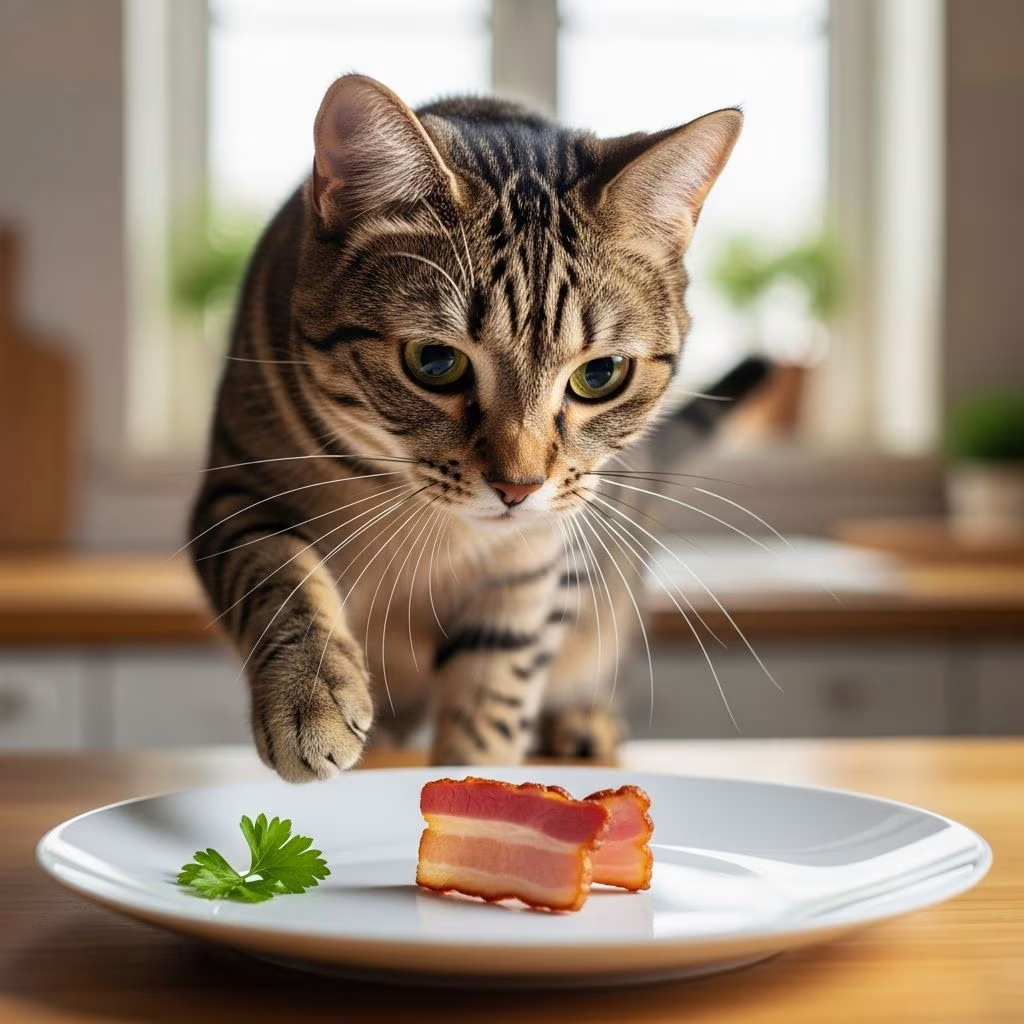
Cats are obligate carnivores with specific dietary needs, and while bacon’s aroma can drive them wild, it is not a suitable food for regular consumption. Occasional tiny amounts might not cause immediate harm in healthy cats, but the high sodium, fat content, and potential toxic additives make it a health hazard overall.
Why Cats Crave Bacon Despite the Dangers
The smoky, savory scent of bacon triggers a cat’s powerful sense of smell, drawing them to beg for a taste. As meat lovers, felines naturally gravitate toward protein-rich foods, but bacon’s processed nature strips away its benefits while adding risks. Cats lack the enzymes to efficiently process excessive fats and salts, leading to potential digestive woes even from small nibbles.
Nutritional Breakdown: What’s Wrong with Bacon for Cats
Bacon offers little nutritional value for cats beyond basic protein, overshadowed by harmful elements. A typical strip contains excessive sodium—up to 400mg per slice—which exceeds a cat’s daily needs dramatically. Fats make up 40-50% of its calories, promoting rapid weight gain, while preservatives like nitrates can irritate sensitive stomachs.
- High Sodium: Draws fluid from cells, causing thirst and dehydration.
- Saturated Fats: Overloads the pancreas and liver.
- Cholesterol: Builds up in arteries over time.
- Additives: Nitrates and spices disrupt gut flora.
Short-Term Reactions to Bacon Ingestion
When a cat sneaks bacon, symptoms can appear within hours. Gastrointestinal upset is common, manifesting as vomiting, diarrhea, or lethargy due to fat malabsorption. Sodium spikes may cause excessive thirst, drooling, or tremors in sensitive individuals. Flavored varieties with garlic or onion—members of the toxic allium family—can damage red blood cells, leading to anemia signs like pale gums or weakness.
| Symptom | Cause | Duration |
|---|---|---|
| Vomiting/Diarrhea | High fat overload | 12-48 hours |
| Dehydration | Sodium imbalance | Hours to days |
| Lethargy | Digestive distress | 1-2 days |
| Tremors/Weakness | Toxins or salt poisoning | Immediate, seek vet |
If symptoms persist beyond 24 hours or include seizures, contact a veterinarian immediately, as salt toxicity can escalate quickly in small cats.
Long-Term Health Impacts of Regular Bacon Exposure
Repeated indulgence turns minor issues into chronic conditions. Obesity from fats increases diabetes risk by impairing insulin response, while kidney strain from sodium accelerates renal failure—common in older cats. Heart disease emerges from hypertension and cholesterol plaques, and pancreatitis flares cause severe abdominal pain. Cats with pre-existing conditions like IBD or cardiac issues face amplified dangers.
- Obesity and diabetes from caloric density.
- Kidney disease via chronic dehydration.
- Cardiovascular strain from blood pressure elevation.
- Pancreatitis from fat-induced inflammation.
Risks Amplified in Vulnerable Cats
Not all cats tolerate bacon equally. Kittens, seniors, and those with kidney, heart, or pancreatic histories should never receive it. Breeds prone to obesity, like Persians, or small-framed cats under 10 pounds risk salt poisoning from mere quarter-teaspoon amounts. Pregnant or nursing queens pass risks to offspring via tainted milk.
Understanding Bacon Varieties and Their Threats
Turkey bacon seems healthier but retains high sodium. Uncured or low-sodium options still pack fats, and any seasoning—smoke flavor, garlic powder—heightens toxicity. Raw bacon harbors bacteria like salmonella, risking foodborne illness, while microwaved crisps concentrate salts dangerously.
| Bacon Type | Sodium (per oz) | Fat (per oz) | Extra Risks |
|---|---|---|---|
| Pork Bacon | High (500mg+) | Very High | Nitrates, bacteria |
| Turkey Bacon | Moderate-High | High | Preservatives |
| Uncured | Moderate | High | Spices often |
| Microwaved | Concentrated | High | Uneven cooking |
Safe Alternatives: Treats Cats Will Love
Opt for vet-recommended options mimicking bacon’s appeal without downsides. Plain cooked chicken, turkey, or salmon provide protein sans excess salt. Commercial cat treats formulated for nutrition control sodium under 0.3%. Freeze-dried meats or fish flakes offer crunch and aroma safely.
- Boiled chicken breast (skinless, unseasoned).
- Canned tuna in water (occasional).
- Commercial dental chews for texture.
- Homemade meat purees from lean cuts.
Limit treats to 10% of daily calories to maintain balance.
Expert Strategies for Preventing Begging
Train with distractions like puzzle feeders during mealtimes. Store human foods securely, and use positive reinforcement for ignoring counters. Vertical spaces keep cats entertained away from kitchen temptations. If bacon slips through, monitor closely and note reactions for future vet discussions.
Frequently Asked Questions
Is a tiny piece of bacon ever okay for my cat?
Infrequently, a fingernail-sized plain piece might pass without issue in healthy adults, but risks outweigh rewards. Avoid entirely for safety.
What if my cat ate a whole strip?
Watch for vomiting, diarrhea, or lethargy. Offer water and contact your vet or pet poison hotline promptly.
Can vegetarian bacon harm cats?
Plant-based versions lack needed taurine and may contain onions or garlic; they’re unsuitable for obligate carnivores.
How much salt is toxic to cats?
As little as 0.25 teaspoon can poison a 10-pound cat, causing neurological symptoms.
Are there bacon-flavored cat treats?
Yes, some mimic the smell safely with cat-safe ingredients; check labels for low sodium.
Building a Balanced Feline Diet
Prioritize AAFCO-approved commercial foods meeting 100% nutritional needs. Wet foods aid hydration, countering any sneaky salt exposures. Annual bloodwork detects early kidney or heart issues. Consult vets for personalized plans, especially for weight management or seniors.
By steering clear of bacon, you safeguard your cat’s vitality for years. Focus on species-appropriate nutrition for a happier, healthier companion.
References
- Cats Eating Bacon: Tasty Treat or Health Hazard? — Under the Weather Pet. 2023. https://www.undertheweatherpet.com/blogs/under-the-weather/cats-eating-bacon-tasty-treat-or-health-hazard
- Bacon & Cats: Dietary Risks and Safety Tips — Bailey’s CBD. 2024. https://baileyscbd.com/blogs/cat-nutrition/bacon-and-cats-feline-diet-alert
- Can Cats Eat Bacon? What Pet Parents Need to Know — Earthborn Holistic Pet Food. 2023. https://www.earthbornholisticpetfood.com/blog/pet-nutrition/can-cats-eat-bacon-what-pet-parents-need-to-know-about-this-salty-snack/
- Can Cats Eat Bacon or Other Processed Meats? — Whisker. 2024. https://www.whisker.com/blog/can-cats-eat-bacon-processed-meats
- Pet Nutrition Guidelines for Cats — Association of American Feed Control Officials (AAFCO). 2025. https://www.aafco.org/



