

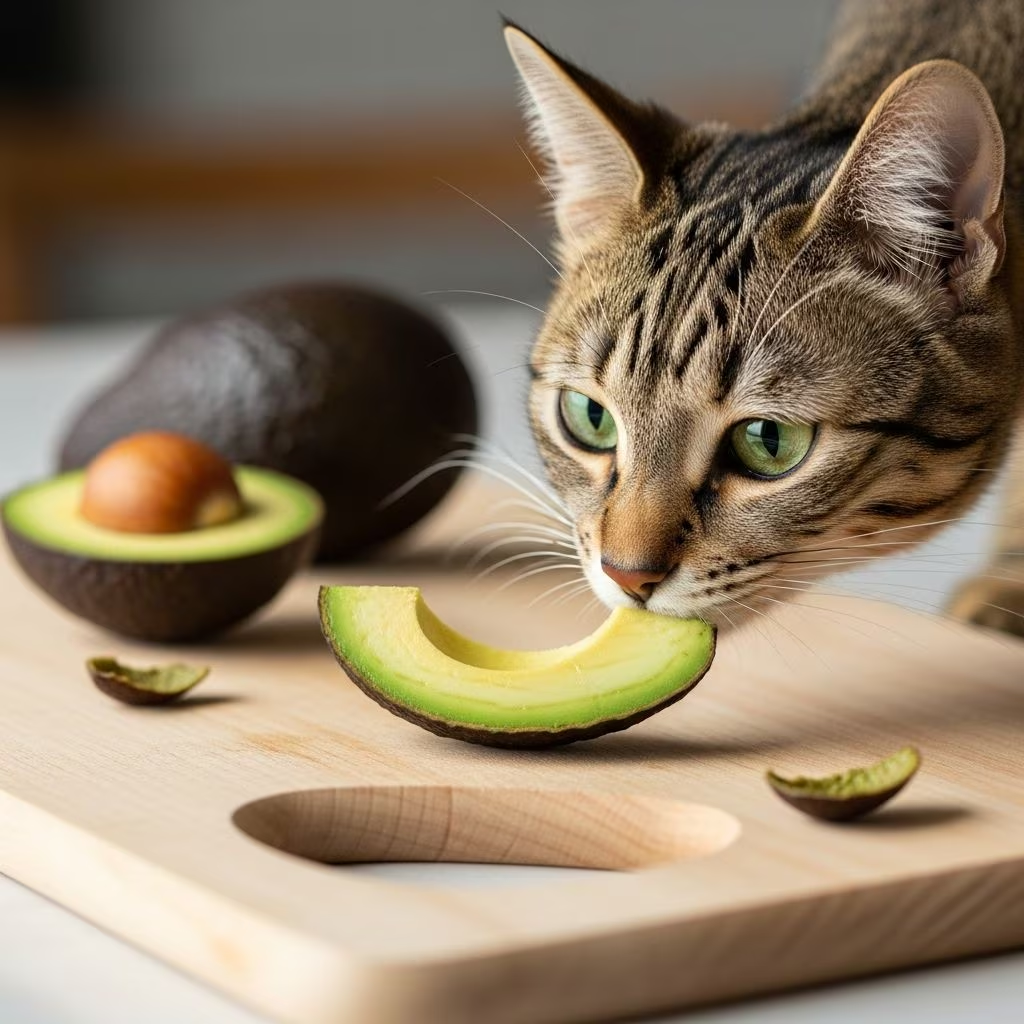
Can Cats Eat Avocado? Understanding the Risks
While avocados are celebrated as a nutritional powerhouse for humans, packed with iron, amino acids, and monounsaturated fatty acids that support heart health, these benefits do not extend to our feline companions. Despite their popularity in human diets and reputation for promoting wellness, avocados harbor compounds that pose significant threats to cat health. Pet owners often wonder whether they can share this favorite fruit with their cats, but the answer is more nuanced than a simple yes or no. Understanding the specific dangers associated with avocados is essential for protecting your cat’s wellbeing.
Why Avocados Are Dangerous for Cats
The primary concern with avocados for cats centers on a toxin called persin, an oil-soluble compound found throughout the avocado plant. Persin acts as a natural fungicide in avocados and poses a genuine threat to feline health. While the concentration of persin varies among different parts of the fruit, understanding where this toxin is most concentrated helps pet owners make informed decisions about protecting their cats.
Persin Toxicity in Different Avocado Parts
Not all parts of the avocado contain equal amounts of persin, which is why veterinarians provide nuanced guidance about avocado consumption for cats. The leaves, skin, and pit contain significantly higher concentrations of persin compared to the flesh. This distinction is critical because it affects the severity of potential health consequences. Persin can cause various complications in cats, including gastrointestinal upset, vomiting, and diarrhea. In more severe cases or with repeated exposure, persin may trigger pancreatitis—inflammation of the pancreas—which can become a chronic and serious condition.
Dangers of Feeding Avocado to Cats
Beyond the persin concern, avocados present multiple health risks to felines that pet owners should understand:
High Fat Content
Avocados are notoriously high in fat, which creates several problems for cats. Feline digestive systems are not optimized to process large amounts of fatty foods like those found in avocados. When cats consume high-fat foods, they face increased risk of pancreatitis—a painful inflammatory condition that can become chronic. Additionally, the caloric density of avocados means that even small portions contribute significantly to daily caloric intake, potentially leading to weight gain and obesity-related complications such as diabetes and joint problems.
Empty Calories and Lack of Nutritional Benefit
While avocados may be nutrient-dense for humans, they provide little to no nutritional benefit for cats. Felines are obligate carnivores with specific dietary requirements that differ fundamentally from human nutritional needs. When avocado is fed to cats, even in tiny amounts, it displaces more appropriate protein-rich foods that cats require for optimal health. The calories provided by avocado offer no advantage to your cat’s wellbeing and represent wasted dietary opportunity.
Choking Hazard
The avocado pit presents a serious choking hazard to cats. Even if a cat manages to swallow the pit, it poses significant risks including stomach upset, intestinal blockage, or obstruction that may require emergency surgical intervention. Pet owners must ensure that avocado pits and skins are properly disposed of in secure trash receptacles where cats cannot access them, especially outdoor cats or those with access to compost bins.
Different Parts of the Avocado: What’s Safe and What’s Not
Avocado Flesh: Limited Safety with Caveats
The flesh or meat of the avocado contains significantly lower levels of persin compared to other parts of the fruit and is generally considered the safest component if any part of avocado must be consumed. However, “safer” does not mean “safe” or recommended. Avocado flesh still contains trace amounts of persin and offers no nutritional advantage to cats while being extremely high in calories and fat. Most veterinary experts recommend avoiding avocado flesh entirely rather than taking even minimal risks with your cat’s health.
Avocado Skin: Strictly Off-Limits
The skin of the avocado contains elevated levels of persin and should never be given to cats. This part is also a choking hazard and can cause gastrointestinal obstruction. Pet owners should ensure that avocado skins are disposed of securely and kept away from curious cats who might investigate kitchen waste.
Avocado Pit and Leaves: Highly Toxic
The avocado pit and leaves contain the highest concentrations of persin among all parts of the avocado plant. These parts are absolutely forbidden for cats and represent serious poisoning risks. If you grow avocado trees in your yard and have outdoor cats, maintain strict separation between your cats and the plants. Indoor cats should never have access to avocado leaves or pits under any circumstances.
Signs and Symptoms of Avocado Toxicity in Cats
Pet owners should recognize warning signs that indicate their cat may have consumed avocado or avocado plant materials. If you suspect your cat has eaten any part of an avocado, contact your veterinarian immediately. Common symptoms of avocado toxicity include:
- Vomiting
- Diarrhea
- Abdominal pain or discomfort
- Loss of appetite
- Lethargy or unusual behavior
- Gastrointestinal upset
- Heart muscle damage (in severe cases)
The severity and onset of symptoms depend on the amount consumed, which specific part of the avocado was ingested, and your individual cat’s sensitivity to persin. Immediate veterinary attention is essential if you observe any of these warning signs, especially if you know or suspect avocado consumption.
Cats at Higher Risk for Avocado Complications
Kittens and Young Cats
Young kittens have underdeveloped immune systems and significantly more sensitive digestive tracts compared to adult cats. Their bodies are less equipped to handle potentially toxic compounds or high-fat foods. Even trace amounts of persin could cause serious complications in kittens. Additionally, the choking hazard from avocado pits and skin is proportionally more dangerous for smaller animals. It is best to avoid giving avocado to kittens entirely.
Senior Cats
Older cats often have more sensitive stomachs and may have developed chronic health conditions that make them particularly vulnerable to dietary indiscretions. Senior cats are at increased risk of experiencing severe gastrointestinal upset from high-fat foods like avocados.
Cats with Preexisting Health Conditions
Cats with a history of pancreatitis should absolutely never consume avocado, as the high fat content could trigger a recurrence of this painful inflammatory condition. Similarly, cats with gastritis, inflammatory bowel disease, or other gastrointestinal disorders have compromised digestive systems that cannot tolerate the risks associated with avocado. Cats with diarrhea or ongoing gastrointestinal issues should never be given avocado, as it could significantly worsen their condition. Always consult with your veterinarian before introducing any new foods to cats with chronic health issues.
What About Avocado Oil for Cats?
Some pet owners wonder whether avocado oil might be a safer alternative since it lacks the persin compound found in whole avocados. While avocado oil does contain lower or negligible levels of persin, it still poses risks to cats due to its high fat content. The primary concern with avocado oil remains its potential to cause or contribute to pancreatitis in cats. While some veterinarians may recommend avocado oil for topical application to improve coat quality, ingestion should be avoided. If your veterinarian suggests topical avocado oil for your cat’s fur health, ensure the product is pure, specifically formulated for pets, and free of additives or potentially harmful ingredients. Always consult your veterinarian before introducing avocado oil or any new supplement to your cat’s routine.
Safe Alternatives to Avocado for Your Cat
Rather than taking any risk with avocados, pet owners should focus on providing cats with appropriate, species-specific treats and foods. High-quality commercial cat foods formulated by veterinary nutritionists are designed to meet all of your cat’s dietary needs. If you want to offer treats, consider safer human foods such as plain cooked chicken, turkey, or fish without seasoning, small amounts of cooked carrots, or commercially available cat treats specifically formulated for feline nutrition. Always introduce new foods gradually and in small quantities, and consult your veterinarian about appropriate treat options for your specific cat.
Proper Disposal of Avocado Waste
Pet owners with cats in their homes should practice careful disposal of avocado waste. Never leave avocado skins, pits, or leaves accessible to your cats. Secure all food waste in sealed containers before placing them in outdoor trash. If you have outdoor cats or cats with yard access, be especially vigilant about avocado debris. If you grow avocado trees in your yard, consider installing barriers to prevent your cats from accessing the plants, as the leaves and bark contain high concentrations of persin.
Frequently Asked Questions About Cats and Avocado
Q: Can cats eat a small piece of avocado?
A: While avocado flesh contains lower persin levels than other parts, veterinarians generally recommend avoiding it entirely. Any amount provides no nutritional benefit and carries unnecessary risks. The high fat content alone makes even tiny portions inadvisable for feline health.
Q: What should I do if my cat ate avocado?
A: Contact your veterinarian immediately. Provide information about which part of the avocado was consumed, approximately how much, and when consumption occurred. Your vet can assess the situation and recommend appropriate monitoring or treatment based on your cat’s specific circumstances.
Q: Is avocado oil safe for cats to eat?
A: No, avocado oil is not recommended for internal consumption by cats due to its high fat content and risk of pancreatitis. Topical use under veterinary guidance may be appropriate in specific circumstances, but always consult your vet first.
Q: Are some cat breeds more susceptible to avocado toxicity?
A: No breed-specific resistance to persin toxicity has been documented. All cats face similar risks from avocado consumption. However, individual cats may have varying sensitivity levels based on age, overall health, and specific medical conditions.
Q: How long after eating avocado do cats show symptoms?
A: Symptoms can appear within hours to days depending on the amount consumed and individual cat sensitivity. Contact your vet immediately if you know or suspect avocado consumption, even if symptoms haven’t appeared yet.
Q: Can indoor cats get avocado toxicity?
A: Yes, indoor cats can develop avocado toxicity if given access to avocados or avocado-containing products by their owners. Additionally, indoor cats living in homes with avocado plants could potentially access leaves or other plant parts.
The Bottom Line on Avocados and Cats
Despite the substantial health benefits avocados provide to humans, they represent a clear dietary risk for cats. The combination of persin toxicity, high fat content, and choking hazards makes avocados an unsuitable food choice for feline companions. The lack of nutritional benefit for cats further supports avoiding this food entirely. Responsible pet ownership means respecting the specific dietary needs and limitations of cats rather than assuming that human foods are appropriate for our feline friends. By understanding these risks and maintaining vigilance about food disposal and plant access, pet owners can effectively protect their cats from avocado-related health complications.
References
- Can Cats Eat Avocado? — PetMD. Accessed November 28, 2025. https://www.petmd.com/cat/nutrition/can-cats-eat-avocado
- Can Cats Eat Avocado? Here’s Everything You Need to Know — Pawlicy. Accessed November 28, 2025. https://www.pawlicy.com/blog/can-cats-eat-avocado/
- Can Cats Eat Avocado? All You Need to Know — Untamed Cat Food. Accessed November 28, 2025. https://untamed.com/blogs/nutrition/can-cats-eat-avocado
- Can Dogs & Cats Have Avocados? (& Are They Safe?) — Hills Pet. Accessed November 28, 2025. https://www.hillspet.co.za/pet-care/nutrition-feeding/can-dogs-and-cats-eat-avocados
- Can Cats Eat Avocado: Is It Safe and Healthy? — Purina UK. Accessed November 28, 2025. https://www.purina.co.uk/articles/cats/feeding/what-cats-eat/can-cats-eat-avocado



