

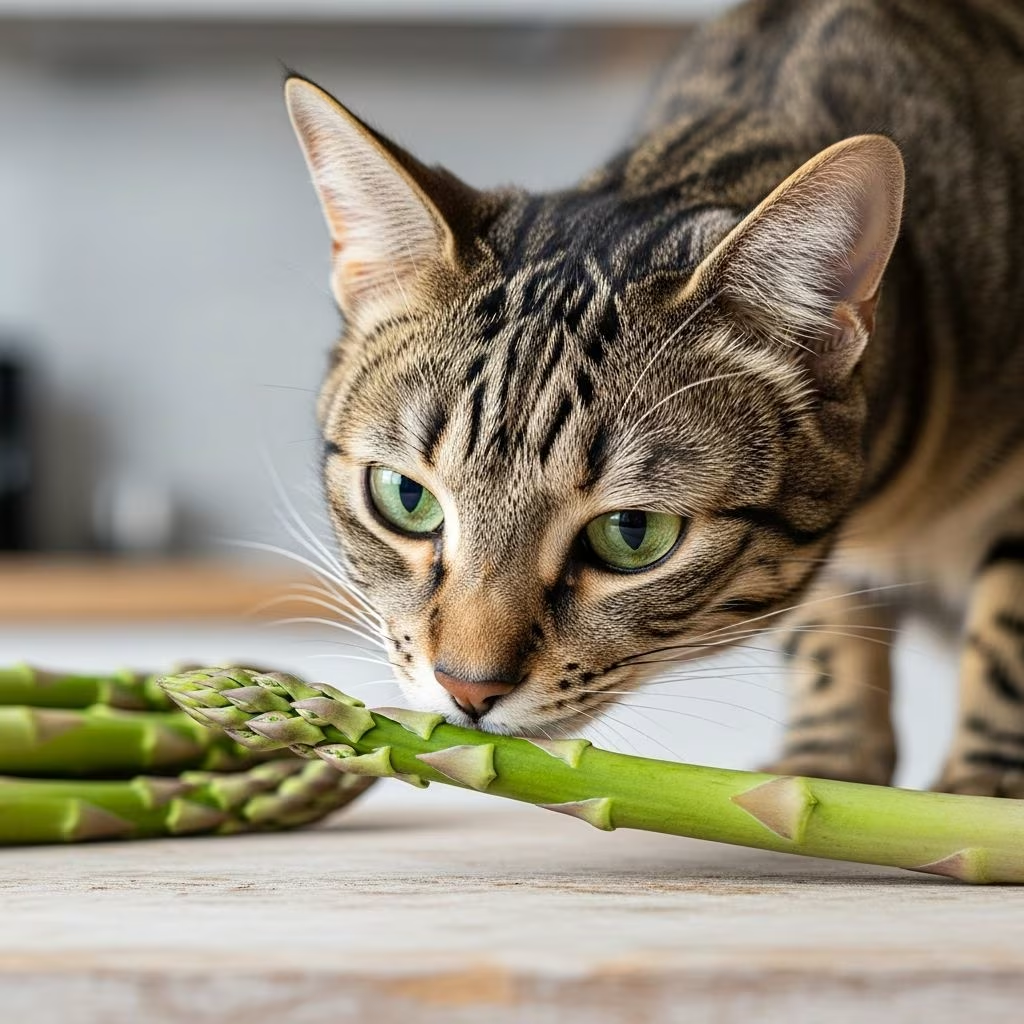
Can Cats Eat Asparagus? Vet-Reviewed Nutrition and Safety
As a cat owner, you may occasionally wonder if the healthy vegetables you enjoy can be shared with your feline companion. Asparagus, a popular spring vegetable packed with nutrients, is often featured in family meals. If you’ve found yourself asking whether your cat can safely enjoy asparagus alongside your dinner, you’re not alone. The good news is that asparagus is not toxic to cats, making it a potential occasional treat. However, there are important considerations and preparation methods you should know before offering this vegetable to your pet.
Is Asparagus Toxic to Cats?
The straightforward answer is no—asparagus is not toxic to cats. Asparagus, scientifically known as Asparagus officinalis, does not appear on the ASPCA’s or the Pet Poison Helpline’s lists of common toxic substances for felines. This means that if your cat accidentally ingests a small piece of asparagus, there is no need for immediate concern or emergency veterinary care.
However, it’s crucial to distinguish between true asparagus and other plants with “asparagus” in their names. Asparagus fern, also known as lace fern, asparagus grass, or climbing asparagus, is toxic to cats and should never be given to your pet. The leaves and berries of asparagus fern can cause vomiting, diarrhea, and stomach pain in cats. If your cat has consumed asparagus fern, contact your veterinarian or the Pet Poison Helpline immediately.
Is Asparagus Safe for Cats?
While asparagus is not toxic, safety depends on several important factors. Asparagus is an alkaline vegetable, which means it’s not suitable for all cats and should never become a regular part of their diet. The key consideration involves your cat’s urinary health.
Cats with a history of urinary tract disorders or those predisposed to urinary issues should avoid asparagus entirely. Consuming asparagus can alter the pH of a cat’s urine, making it more alkaline. Over time, this pH change can increase the risk of crystal formation in the urinary tract, potentially leading to life-threatening urinary blockages. Any cat diagnosed with or predisposed to urinary tract disease, cystitis, or struvite crystal formation should not be offered asparagus without explicit veterinary approval.
For healthy cats without urinary complications, asparagus can be offered sparingly as an occasional treat when properly prepared. The key is moderation and proper serving size.
Nutritional Benefits of Asparagus for Cats
Despite cats being obligate carnivores, asparagus does offer certain nutritional benefits if offered occasionally. This vegetable is surprisingly nutrient-dense and low in calories, making it an interesting addition to a cat’s diet when served in appropriate quantities.
A half-cup (90 grams) of cooked asparagus provides:
- Calories: 20
- Protein: 2.2 grams
- Fat: 0.2 grams
- Fiber: 1.8 grams
- Vitamin C: 12% of the recommended daily intake (RDI)
- Vitamin A: 18% of the RDI
- Vitamin K: 57% of the RDI
- Folate: 34% of the RDI
- Potassium: 6% of the RDI
- Phosphorus: 5% of the RDI
- Vitamin E: 7% of the RDI
Asparagus contains several vitamins and minerals that support various bodily functions. Vitamin A supports eye health and vision, which is particularly important for cats. Vitamin K plays a role in blood clotting and bone health. Folate, present in significant amounts, supports muscle function and cellular metabolism. Potassium is an essential electrolyte that supports nerve function, muscle contraction, and overall cellular health.
The vegetable is also high in dietary fiber, which can support digestive health and help with healthy bowel movements. Additionally, asparagus contains antioxidants that may help reduce inflammation in the body.
Health Benefits of Asparagus for Cats
If your cat shows interest in asparagus and has no underlying urinary health issues, there are potential health benefits to consider:
Digestive Support
The high fiber content in asparagus can be beneficial for digestive health. Fiber may help regulate bowel movements, alleviate constipation, support healthy digestion, and even assist in moving hairballs through the digestive tract more effectively.
Immune System Boost
Asparagus contains vitamin C, which can provide a boost to your cat’s immune system. While cats can synthesize their own vitamin C, supplementary sources may offer additional support during times of stress or illness.
Muscle Function
The folate content in asparagus supports muscle contraction and function, which is important for maintaining your cat’s mobility and physical activity.
Overall Nutrient Support
The combination of vitamins and minerals in asparagus contributes to overall nutritional balance, supporting various metabolic functions in your cat’s body.
Can Cats Eat Raw Asparagus?
Raw asparagus is technically safe for cats but comes with some considerations. While raw asparagus retains higher levels of certain nutrients, particularly vitamin C, it is more difficult for cats to chew and digest. Cats lack the grinding teeth and digestive enzymes necessary to break down plant material efficiently.
Raw asparagus can present a choking hazard due to its tough, fibrous texture. If you choose to offer raw asparagus, cut it into very small pieces to minimize choking risk. However, cooking asparagus is generally the safer and more practical approach.
Can Cats Eat Cooked Asparagus?
Cooked asparagus is the recommended preparation method for feeding your cat. Steaming or boiling asparagus softens the vegetable, making it much easier for your cat to chew and swallow. This preparation method reduces the choking hazard associated with raw asparagus.
When cooking asparagus for your cat, follow these important guidelines:
- Never season the asparagus with salt, garlic, onions, or other spices. These additives are toxic to cats and can cause serious harm.
- Steam or boil the asparagus without any added ingredients.
- Cut the cooked asparagus into small, bite-sized pieces before serving.
- Allow the asparagus to cool completely before offering it to your cat.
- Store any leftover cooked asparagus in the refrigerator and use within a few days.
How Much Asparagus Can You Give Your Cat?
Portion control is essential when offering asparagus to your cat. A single cooked asparagus spear contains only about 3 calories, which seems insignificant. However, even small portions should be limited carefully.
The recommended serving size for cats is:
- One to two teaspoons of cooked asparagus per serving
- Offered no more than once or twice per week
- Never as a regular part of your cat’s daily diet
When introducing any new food to your cat’s diet, start with an even smaller amount—perhaps just a tiny piece—and observe your cat for any adverse reactions. Wait several days before offering asparagus again. If your cat experiences digestive upset, vomiting, or diarrhea, discontinue asparagus immediately and consult your veterinarian.
Remember that asparagus should always be treated as an occasional treat, not a dietary staple. Your cat’s primary nutrition should come from high-quality commercial cat food formulated to meet their nutritional needs as obligate carnivores.
Important Warnings and Considerations
Before offering asparagus to your cat, be aware of these important warnings:
Urinary Health Concerns
The most significant concern with asparagus for cats is its high alkaline content. Regular consumption of asparagus can elevate the pH of your cat’s urine, creating an alkaline environment. This pH change increases the risk of crystal formation, particularly struvite crystals, which can lead to urinary tract blockages. This condition is life-threatening and requires emergency veterinary care.
Choking Hazard
The entire asparagus stalk, especially when served raw, can pose a choking hazard. Always cut asparagus into small pieces and soften it through cooking before serving.
Digestive Sensitivity
Due to the high fiber content, some cats may experience digestive upset when consuming asparagus. If your cat has a sensitive stomach or history of digestive issues, consult your veterinarian before offering asparagus.
Not Essential Nutrition
While asparagus contains beneficial nutrients, it is not necessary for your cat’s health. Cats are obligate carnivores, meaning they require animal-based proteins and nutrients. Their digestive systems are not optimized for processing plant-based foods. All essential nutrients your cat needs should come from properly formulated cat food.
Asparagus and Urinary Tract Health
For cats with a history of urinary tract infections, struvite crystals, or cystitis, asparagus should be avoided completely. Veterinarians typically recommend acidifying the urine and maintaining appropriate dietary factors to prevent crystal formation and recurrence of urinary issues. Asparagus, being alkaline, works against these therapeutic goals.
If your cat has been diagnosed with urinary tract disease, consult your veterinarian before offering any new foods, including asparagus. Your vet may recommend specific dietary management strategies tailored to your cat’s individual health needs.
Distinguishing Asparagus from Asparagus Fern
It’s critical to differentiate between true asparagus and toxic look-alikes:
- True Asparagus (Asparagus officinalis): The vegetable we eat, with thick green or white stalks and small scale-like leaves. Safe for cats in small quantities.
- Asparagus Fern: An ornamental plant with feathery, fern-like foliage and small red berries. Toxic to cats and should never be accessible to your pet.
If you grow plants at home, ensure that any asparagus fern is kept in areas your cat cannot access. If you suspect your cat has consumed asparagus fern, contact your veterinarian or the Pet Poison Helpline immediately.
Best Practices for Feeding Asparagus to Your Cat
If you decide to offer asparagus to your healthy cat without urinary complications, follow these best practices:
- Consult your veterinarian first, especially if your cat has any health conditions.
- Choose fresh, organic asparagus when possible.
- Wash the asparagus thoroughly before cooking.
- Steam or boil the asparagus without any seasonings, oils, or additives.
- Cut into small, bite-sized pieces appropriate for your cat’s size.
- Allow to cool completely before serving.
- Offer only one to two teaspoons per serving.
- Monitor your cat for any signs of digestive upset.
- Never make asparagus a regular part of your cat’s diet.
- Always prioritize a high-protein, meat-based diet as your cat’s primary nutrition source.
Frequently Asked Questions (FAQs)
Q: Is asparagus toxic to cats?
A: No, asparagus is not toxic to cats. However, asparagus fern, a different plant with asparagus in its name, is toxic and should be avoided.
Q: Can my cat eat raw asparagus?
A: Raw asparagus is technically safe but presents a choking hazard. Cooked, softened asparagus cut into small pieces is safer and easier for your cat to digest.
Q: How much asparagus can I give my cat?
A: Limit asparagus to one or two teaspoons per serving, offered no more than once or twice per week. It should always be an occasional treat, never a regular dietary component.
Q: Is asparagus good for cats with digestive problems?
A: The high fiber content may help some cats with digestion, but it could upset sensitive stomachs in others. Consult your veterinarian before offering asparagus to a cat with digestive issues.
Q: Can cats with urinary tract problems eat asparagus?
A: No. Cats with urinary tract disease, infections, or crystal formation history should avoid asparagus entirely, as its alkaline nature can increase urinary pH and risk of crystal formation.
Q: Should I cook asparagus before giving it to my cat?
A: Yes, cooking asparagus by steaming or boiling is recommended. It softens the vegetable, reduces choking hazard, and makes it easier for your cat to digest.
Q: Can I season asparagus for my cat?
A: No, never season asparagus with salt, garlic, onions, or other spices. These additives are toxic to cats and can cause serious health complications.
Q: My cat loves asparagus. Is it okay to give it regularly?
A: Even if your cat enjoys asparagus, it should only be offered occasionally due to its high alkaline content and lack of nutritional necessity for obligate carnivores. Consult your veterinarian if your cat shows strong interest in asparagus.
Conclusion
Asparagus is not toxic to cats and can be offered occasionally as a treat to healthy cats without urinary complications. When properly prepared—steamed or boiled, cut into small pieces, and served in tiny portions—asparagus poses minimal risk and may offer some nutritional benefits. However, asparagus is not essential to your cat’s diet and should never replace high-quality, meat-based cat food formulated for their obligate carnivore needs.
The most important consideration is your cat’s urinary health. Any cat with a history of urinary tract disease, infections, or crystal formation should avoid asparagus entirely. For all cats, moderation is key. If you’re unsure whether asparagus is appropriate for your specific cat, consult your veterinarian. They can provide personalized guidance based on your cat’s individual health status, dietary needs, and medical history. Ultimately, sticking to a high-protein, meat-based diet remains the best way to ensure your cat receives proper nutrition and maintains optimal health.
References
- Safe Vegetables for Dogs & Cats — Preventive Vet. 2024. https://www.preventivevet.com/pets/safe-vegetables-for-dogs-and-cats
- Can Cats Eat Asparagus? Vet-Reviewed Nutrition and Safety — Catster. 2024. https://www.catster.com/nutrition/can-cats-eat-asparagus/
- Can Cats Eat Asparagus? Vet-Reviewed Facts — Hepper. 2024. https://articles.hepper.com/can-cats-eat-asparagus/
- Are Fruits And Vegetables Safe For Cats? — Cats.com. 2024. https://cats.com/safe-fruit-and-vegetables-for-cats
- Can Cats Eat Asparagus? — Wag! 2024. https://wagwalking.com/wellness/can-cats-eat-asparagus



