

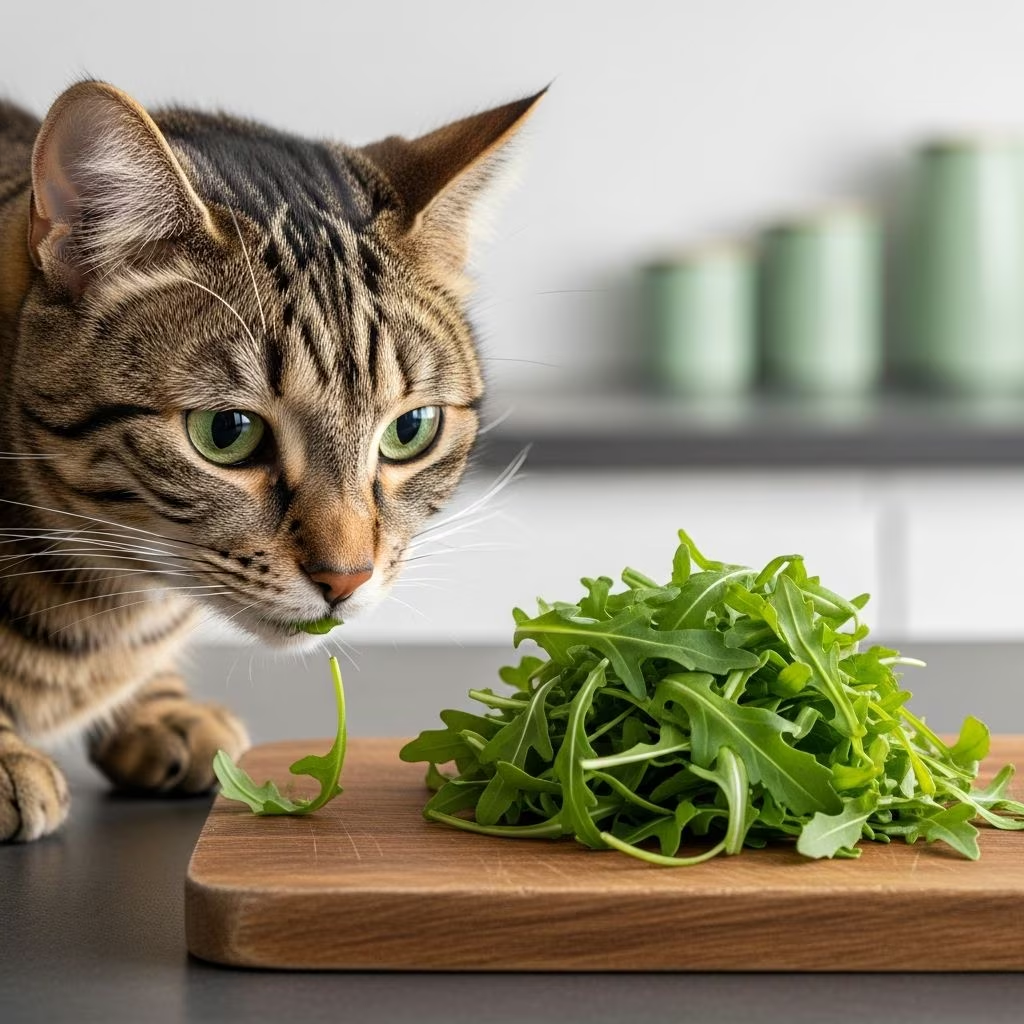
Arugula, also known as rocket or rucola, is a leafy green vegetable prized for its peppery flavor in human salads. Many cat owners wonder if this nutrient-packed green is safe to share with their feline companions, especially if kitty shows interest while you’re prepping dinner. The good news is that yes, cats can eat arugula safely in small amounts. It’s non-toxic and can provide minor health benefits, but as obligate carnivores, cats require a primarily meat-based diet.
This vet-verified guide explores arugula’s safety, nutritional profile, appropriate serving sizes, preparation methods, and potential risks. We’ll cover everything from benefits to FAQs, ensuring you can make informed decisions for your cat’s well-being. Always consult your veterinarian before introducing new foods, particularly if your cat has health conditions.
The Short Answer: Is Arugula Safe for Cats?
Arugula is safe and non-toxic for cats when fed in moderation. Unlike toxic foods like chocolate or grapes, arugula poses no immediate poisoning risk. Cats may enjoy its crisp texture and mild bitterness, making it an occasional treat for veggie-curious felines. However, it’s not a dietary staple—overfeeding can lead to digestive issues due to its fiber content and glucosinolates, natural compounds in cruciferous vegetables like arugula, kale, and broccoli.
According to veterinary sources, small portions a few times a week are generally well-tolerated. Observe your cat for any adverse reactions, such as vomiting or diarrhea, especially on first introduction.
Nutritional Benefits of Arugula for Cats
While cats derive most nutrients from animal proteins, arugula offers supplementary vitamins and minerals that can complement a balanced diet. It’s low in calories (about 25 per 100g) and fat-free, making it a guilt-free nibble. Key nutrients include:
- Vitamin A: Supports vision, immune function, and skin health.
- Vitamin C: An antioxidant that aids tissue repair, though cats produce it naturally.
- Vitamin K: Essential for blood clotting and bone health.
- Potassium: Helps regulate heart function and muscle contractions.
- Folic acid and other B vitamins: Promote cell growth and red blood cell production.
- Minerals like calcium, iron, magnesium, and phosphorus: Support bones, oxygen transport, and energy metabolism.
- Dietary fiber: In tiny amounts, it can aid digestion and prevent constipation, but excess irritates feline guts.
Antioxidants in arugula may reduce inflammation and bolster immunity, providing mental stimulation through new textures for indoor cats. However, these benefits are minimal compared to commercial cat foods formulated with taurine and essential amino acids.
Potential Risks and Dangers of Arugula for Cats
Arugula isn’t risk-free. As cruciferous veggies contain glucosinolates, large quantities can cause stomach upset, gas, or thyroid interference in sensitive cats. Common issues include:
- Digestive upset: Vomiting, diarrhea, or cramps from high fiber.
- Allergic reactions: Rare, but watch for itching, swelling, or lethargy.
- Pesticide contamination: Conventionally grown arugula may harbor residues harmful to cats.
- Nutritional imbalance: Replacing meat with greens leads to taurine deficiency, causing heart disease or blindness.
Avoid seasoned arugula from salads (e.g., with oils, dressings, or onions), as these additives are toxic. Kittens, seniors, or cats with GI issues should skip it entirely.
How Much Arugula Can Cats Eat?
No strict guidelines exist, but moderation is key—treats should comprise no more than 10% of daily calories. Start small to gauge tolerance:
| Cat Size/Weight | Recommended Amount | Frequency |
|---|---|---|
| Small (under 8 lbs) | 1 small leaf | 1-2 times/week |
| Average (8-12 lbs) | 1-2 small leaves | 2-3 times/week |
| Large (over 12 lbs) | 2-3 small leaves | 2-3 times/week max |
Gradually increase if no issues arise. If your cat devours greens daily, it may signal boredom or dietary dissatisfaction—consult a vet.
How to Safely Prepare and Serve Arugula to Cats
Follow these steps for safe feeding:
- Wash thoroughly: Rinse under running water to remove dirt, pesticides, and bacteria. Pat dry.
- Chop finely: Small pieces reduce choking risk and ease digestion.
- Serve plain: No dressings, salts, or seasonings.
- Raw vs. cooked: Raw is fine for most, but lightly steaming or boiling improves digestibility by breaking down fibers. Avoid microwaving to preserve nutrients.
- Mix in meals: Sprinkle on wet food for appeal, or offer as standalone treats.
- Store properly: Refrigerate in airtight containers; use within days to avoid spoilage.
Introduce gradually over a week, monitoring stool consistency and energy levels.
Alternatives to Arugula for Cats
If arugula isn’t a hit or you want variety, try these vet-approved greens:
- Cat grass (wheatgrass/oat grass): Safe, digestible, aids hairball control.
- Spinach or kale: Nutrient-rich in tiny amounts (watch oxalates).
- Broccoli florets: Steamed, for fiber and vitamins.
- Green beans or zucchini: Low-cal hydration sources.
- Commercial cat treats: Formulated for balanced nutrition.
Stick to ASPCA-safe lists and avoid wild greens.
Common Myths About Cats and Vegetables
- Myth: Cats need veggies for a balanced diet. False—obligate carnivores thrive on meat.
- Myth: All greens are interchangeable treats. No—some like rhubarb are toxic.
- Myth: Organic arugula is always safe. Still wash; bacteria risks remain.
Frequently Asked Questions (FAQs)
Can cats eat arugula every day?
No, daily arugula risks digestive issues and nutrient gaps. Limit to occasional treats.
Is cooked arugula safer than raw for cats?
Lightly cooked is often gentler on stomachs, reducing glucosinolate irritation.
What if my cat eats too much arugula?
Expect mild upset; withhold treats and ensure hydration. Severe symptoms warrant vet care.
Can arugula help with cat hairballs?
Fiber may assist, but cat grass or malt paste is better.
Is arugula okay for kittens or senior cats?
Use extreme caution; their systems are more sensitive. Vet approval first.
Final Thoughts
Arugula can be a fun, low-risk treat for most cats, adding variety without harm when fed sparingly. Its vitamins support health subtly, but prioritize high-quality cat food for core nutrition. Watch your cat’s response, rotate treats, and partner with your vet for personalized advice. A happy, healthy kitty starts with informed choices!
References
- Can Cats Eat Arugula? Vet-Reviewed Health & Safety Guide — Hepper. 2023. https://articles.hepper.com/can-cats-eat-arugula/
- Can Cats Eat Arugula? Safety & Benefits Explained — Zoorithm. 2023. https://www.zoorithm.com/cats/can-cat-eat-arugula
- Can Cats Eat Arugula? Is Arugula Safe For Cats? — CatTime. 2023. https://cattime.com/cat-facts/health/42945-can-cats-eat-arugula-safe
- Can Cats Eat Arugula? Read What Vets Say? — Spot Pet Insurance. 2023. https://spotpet.com/blog/cat-tips/can-cats-eat-arugula



