

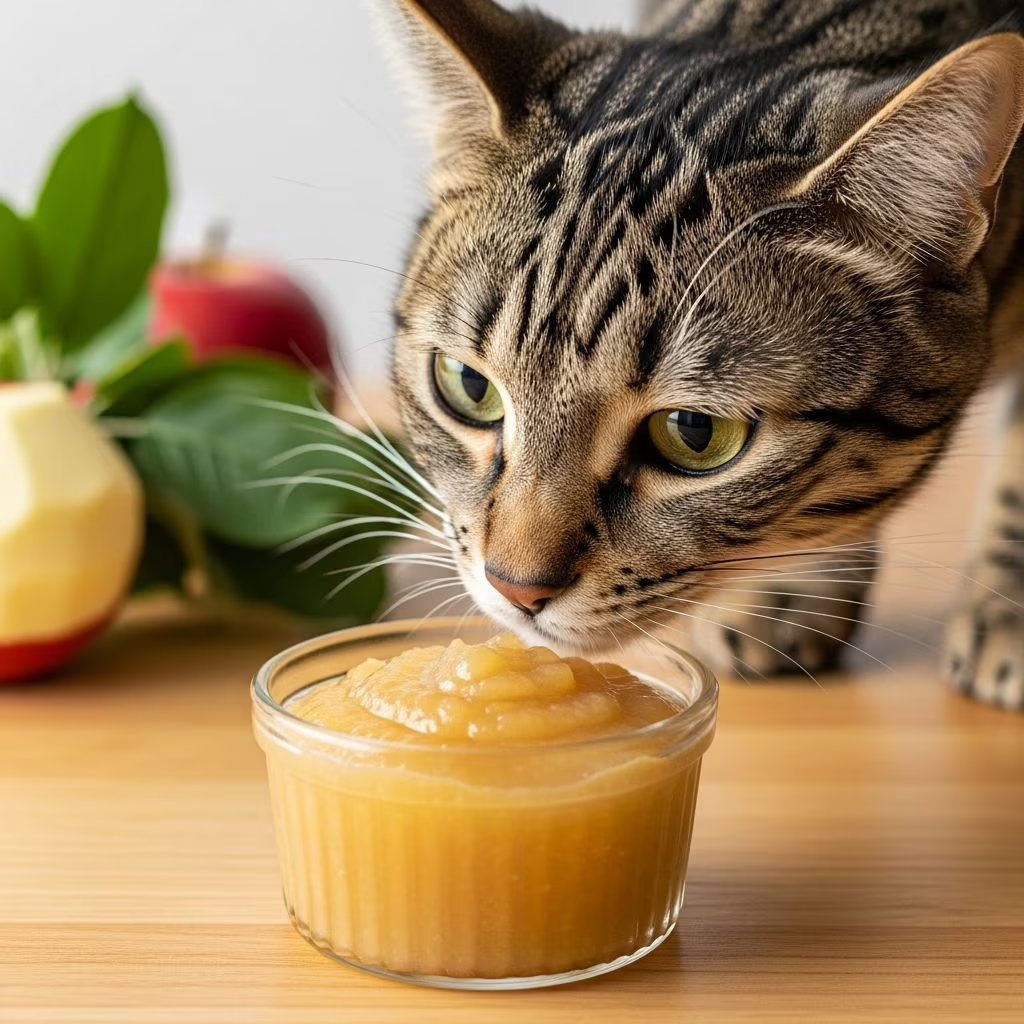
Can Cats Eat Applesauce? Vet-Reviewed Facts & Considerations
Many cat owners wonder whether they can share their favorite foods with their feline companions, and applesauce frequently tops the list of questions. While your cat might show interest in the sweet, fruity aroma, the answer to whether cats can eat applesauce requires careful consideration of their unique dietary needs and the composition of this common household food.
Is Applesauce Harmful to My Cat?
When considering whether to feed applesauce to your cat, the quality and preparation method matter significantly. If you use all-natural applesauce with no preservatives or added sugars, it is not harmful to feed it to your cat in small amounts and on occasion. However, this distinction is crucial because most commercially available applesauce products contain ingredients that may not be ideal for feline consumption.
It’s important to note that the ASPCA lists apples as a plant requiring caution, though this primarily refers to the leaves, twigs, and seeds of apple trees rather than the flesh itself. These parts contain cyanide and could potentially poison your cat if large amounts are consumed. Raw apple flesh, by contrast, is safe for cats and contains a high amount of fiber, antioxidants, and certain vitamins.
The primary concerns about applesauce relate to its sugar content and the presence of harmful chemicals or preservatives in many commercial brands. Additionally, a cat’s digestive system cannot effectively deal with excessive sugar. Regularly consuming sugar can increase the risk of tooth decay and obesity in your cat, making them more susceptible to various diseases.
Understanding Your Cat’s Dietary Needs
To properly assess whether applesauce is appropriate for your cat, it’s essential to understand feline nutritional requirements. Cats are obligate carnivores, meaning they require a diet primarily composed of animal proteins to thrive. Unlike humans and some other animals, cats do not require carbohydrates in their diet. According to PetMD, the AAFCO’s established minimum protein requirement may need to be increased for optimal feline health.
This fundamental dietary difference explains why even seemingly benign foods like applesauce can be problematic for cats. A cat’s body is designed to digest and derive nutrition from meat-based sources, not plant-based foods like fruits. When you introduce plant-based foods into their diet, you risk disrupting the nutritional balance they require to maintain optimal health.
Nutritional Content of Applesauce
Applesauce does contain certain nutrients that might initially seem beneficial. Raw apples contain vitamin C, fiber, and various antioxidants. The fiber content in applesauce can potentially aid in digestion by supporting regular bowel movements. Additionally, the vitamin C and antioxidants present in applesauce may help support immune function in some animals.
However, cats do not digest fiber the same way humans do, so any digestive benefits must be weighed carefully against the risks. Furthermore, cats can produce their own vitamin C internally, so supplemental sources are unnecessary for their health. While a small amount of additional vitamins might seem beneficial, it does not justify the introduction of a food that is fundamentally misaligned with feline nutritional needs.
Risks and Dangers of Feeding Applesauce to Cats
Despite the potential presence of some beneficial nutrients, the risks associated with feeding applesauce to cats significantly outweigh any advantages. Understanding these dangers is critical for responsible pet ownership.
Sugar Content and Associated Health Issues
One of the most significant concerns with applesauce is its sugar content. Many store-bought varieties are loaded with added sugar, which can lead to obesity and other health problems such as diabetes. This is particularly concerning because cats cannot taste sweetness the way humans do, making sugary foods inherently unnecessary and unnatural for their diet.
Regular sugar consumption in cats can contribute to weight gain, dental problems, and increased diabetes risk. These conditions can significantly impact your cat’s quality of life and may require ongoing veterinary treatment and management.
Preservatives and Artificial Ingredients
Commercially available applesauce varieties often contain preservatives, artificial flavors, and other additives that could pose health hazards to your feline companions if consumed regularly. When selecting any food product for your cat, it’s essential to carefully examine the ingredient list and opt for unsweetened varieties whenever possible. Many of these additives are designed for human consumption and may not be safe for cats with their different metabolic processes.
Gastrointestinal Sensitivity
Some cats are sensitive to new foods, and even safe foods like applesauce can cause stomach upset or diarrhea in certain individuals. This digestive sensitivity varies from cat to cat, making it impossible to predict how your specific pet will react without trial and observation. Cats do not require fruits and vegetables in their diet, so introducing them unnecessarily risks disrupting their digestive health.
If a cat consumes excessive amounts of applesauce, it may develop gastrointestinal issues such as diarrhea or bloating. In such cases, it’s advisable to consult a veterinarian promptly.
Allergic Reactions
Some cats may develop allergic reactions to apples or have sensitivities to specific ingredients in the applesauce. Signs of allergic reactions can include itching, vomiting, or other adverse symptoms. If you notice any of these signs after introducing applesauce, you should cease giving it immediately and consult your veterinarian.
Special Considerations for Different Life Stages
While applesauce may be generally safe for adult cats when given in tiny amounts occasionally, kittens have different dietary needs and may not benefit from this snack at all. Kittens require specialized kitten food as their primary source of nutrition to support their rapid growth and development. Their nutritional needs are even more demanding than adult cats, making it essential to stick to formulated kitten foods rather than introducing unnecessary supplements or treats.
Flavored Applesauce Concerns
Certain variations of applesauce pose additional risks that make them entirely inappropriate for feline consumption. Cinnamon applesauce, for example, contains cinnamon, which is a spice that can be harmful to cats and may upset their stomach. Similarly, any flavored applesauce containing spices or additional ingredients beyond plain apple puree should be avoided entirely.
Additionally, cinnamon is a common ingredient in applesauce products, and while some sources suggest it is safe for cats to consume in very small quantities, it’s prudent to err on the side of caution and avoid flavored varieties altogether.
Long-Term Health Implications
Feeding applesauce to cats on a regular basis can disrupt the natural balance of their diet. As obligate carnivores, cats thrive on meat-based diets that provide essential nutrients in the correct proportions. Introducing excessive amounts of applesauce—a plant-based and often sweetened food—can lead to nutritional imbalances and potentially contribute to weight gain or other health problems over time.
The cumulative effect of regular fruit consumption can gradually shift your cat’s metabolism and nutritional status, potentially leading to chronic health conditions that may not become apparent until significant damage has been done.
Veterinarian and Nutritionist Perspectives
Professional guidance from veterinarians and animal nutritionists overwhelmingly suggests caution regarding applesauce for cats. Many veterinarians discourage feeding applesauce to cats due to the potential risks associated with its sweetened nature. They emphasize the importance of providing cats with a balanced and nutritionally appropriate diet that predominantly consists of meat-based foods.
Veterinarians highlight the significance of considering individual cat health factors such as age, weight, and any existing medical conditions when contemplating introducing new foods like applesauce into their diet. This personalized approach ensures the well-being and longevity of beloved feline friends.
Animal nutritionists further support the recommendation that cats should primarily consume meat-based diets to meet their nutritional needs. They recommend avoiding unnecessary additions of sweetened and plant-based foods like applesauce, as it can disrupt the natural dietary balance for cats. Instead, animal nutritionists stress the importance of providing cats with a variety of high-quality protein sources, essential fatty acids, vitamins, and minerals to support their overall health and vitality.
Safer Treat Alternatives for Cats
Rather than offering applesauce, there are significantly better treat options that align with your cat’s natural dietary requirements. Treats like freeze-dried meat or specially formulated cat treats are often healthier options that properly support your cat’s dietary needs. These alternatives satisfy the desire to provide your cat with special treats while maintaining nutritional appropriateness.
High-quality cat treats specifically formulated with feline nutritional science in mind will provide your cat with enjoyment without introducing unnecessary risks. Protein-based treats, in particular, satisfy your cat’s natural carnivorous instincts while providing nutritional benefits.
What to Do If Your Cat Eats Applesauce
If your cat has already consumed applesauce, there is generally no need for immediate panic, particularly if the amount was small. If a cat displays any signs of discomfort or illness after consuming applesauce, it is crucial to seek veterinary advice promptly. While most cases of mild gastrointestinal upset can be managed at home with supportive care, severe reactions may require medical intervention to ensure your cat’s well-being.
Monitor your cat closely for symptoms such as vomiting, diarrhea, lethargy, or any other unusual behavior. If these symptoms persist or worsen, contact your veterinarian immediately.
Making the Best Choice for Your Cat
While the occasional small piece of apple is technically safe for cats, incorporating applesauce into their diet raises significant concerns that outweigh any potential benefits. Cats have specific dietary needs as obligate carnivores, and their bodies are not designed for plant-based and sweetened foods like applesauce.
As a responsible cat owner, your best approach is to focus on providing your cat with a species-appropriate diet composed primarily of high-quality animal proteins. When you want to provide treats or enrich your cat’s diet, consult with your veterinarian about options that genuinely support feline health rather than introducing foods that satisfy human preferences but provide no real benefit to your cat.
Frequently Asked Questions
Q: Is applesauce toxic to cats?
A: Applesauce itself is not toxic, but the added sugars, preservatives, and artificial ingredients found in most commercial brands can be harmful to cats when consumed regularly or in large quantities.
Q: Can kittens eat applesauce?
A: While applesauce is generally safe, kittens have different dietary needs and should stick to nutritious kitten food as their primary source of nutrition rather than receiving unnecessary supplements or treats like applesauce.
Q: What happens if my cat eats too much applesauce?
A: Consuming excessive applesauce may lead to gastrointestinal distress such as diarrhea, bloating, or vomiting. If your cat experiences these symptoms, discontinue the food and contact your veterinarian.
Q: Can cats eat cinnamon applesauce?
A: Cinnamon can be harmful to cats and may upset their stomach. Any flavored applesauce containing cinnamon or other spices should be avoided completely.
Q: Can apples cause allergic reactions in cats?
A: Yes, some cats may develop allergies to apples. If you notice signs like itching, vomiting, or other adverse reactions after introducing applesauce, cease giving it immediately and consult your veterinarian.
Q: What are better treat alternatives for cats?
A: Freeze-dried meat treats and specially formulated cat treats are healthier options that align with your cat’s nutritional needs and natural dietary requirements as an obligate carnivore.
Q: Can homemade applesauce be safer for cats?
A: While homemade applesauce without added sugars or preservatives is safer than commercial varieties, it still provides limited nutritional benefit for cats and should be offered only in minimal amounts if at all.
Q: Should I consult a veterinarian before giving my cat applesauce?
A: Yes, consulting with your veterinarian is always recommended before introducing any new foods into your cat’s diet, particularly for cats with existing health conditions, sensitivities, or dietary restrictions.
References
- Applesauce and Cats: Is It Safe? — Bailey’s CBD. https://baileyscbd.com/blogs/cat-nutrition/applesauce-and-cats-yay-or-nay
- Can Cats Eat Applesauce? Vet-Verified Facts — Huston Veterinary. https://hustonveterinary.com/can-cats-eat-applesauce/
- Can Cats Eat Applesauce? Vet-Reviewed Facts & Considerations — Catster. https://www.catster.com/nutrition/can-cats-eat-applesauce/
- Can Cats Eat Apples? A Guide to Safety — Purina US. https://www.purina.com/articles/cat/feeding/can-cats-eat/apples
- What Can Cats Not Eat? 13 Types of Toxic Foods to Avoid — Chewy. https://www.chewy.com/education/cat/food-and-nutrition/what-can-cats-not-eat
- Can Cats Eat Apples? A Note on Cyanide in Apple Seeds — HowStuffWorks. https://animals.howstuffworks.com/pets/can-cats-eat-apples.htm



