

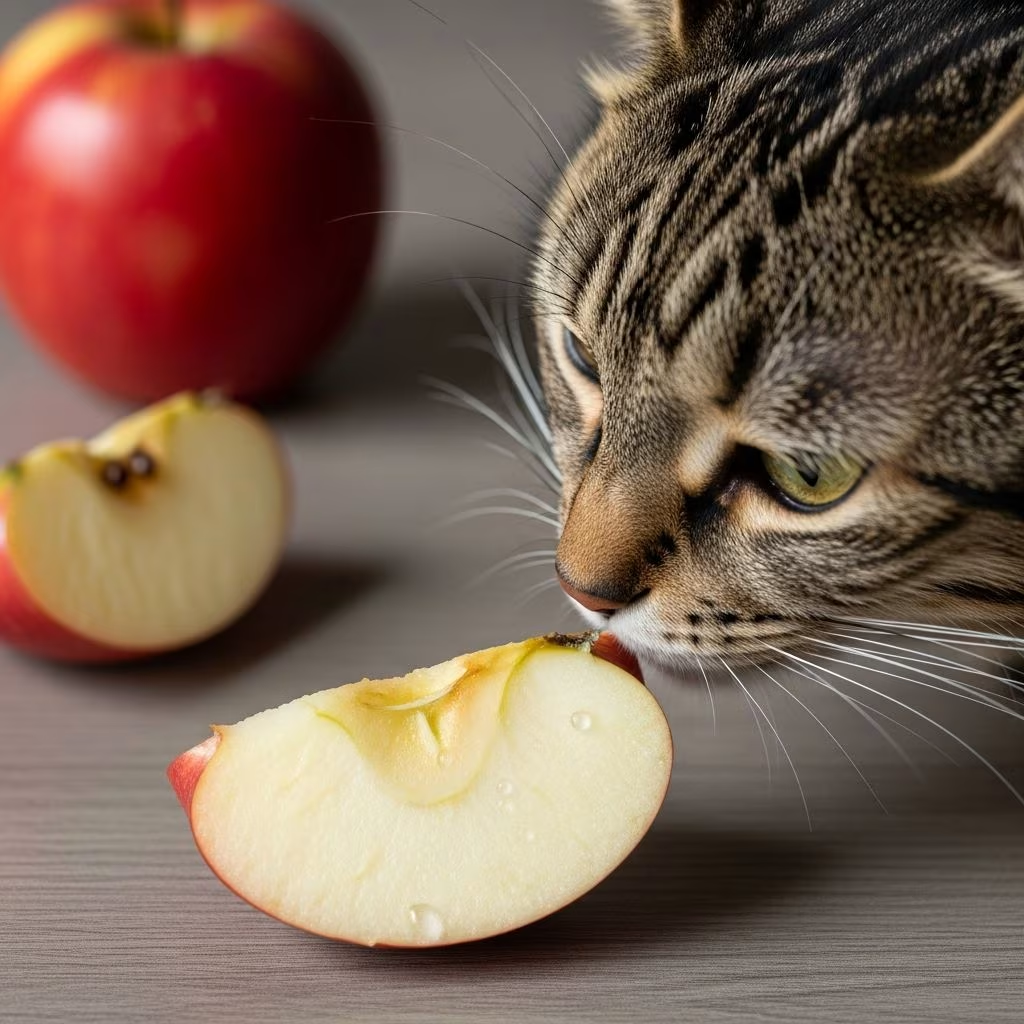
Apples are a popular, healthy fruit for humans, packed with vitamins, fiber, and antioxidants. But can cats eat apples? The short answer is yes, but only in very small amounts and with strict preparation to remove toxic parts. Cats are obligate carnivores, meaning their diet should primarily consist of meat-based foods, so fruits like apples should only be occasional treats, not staples.
This comprehensive guide covers everything you need to know about feeding apples to cats, including nutritional benefits, potential risks, safe preparation methods, and answers to common questions. Always consult your veterinarian before introducing new foods, especially for cats with health conditions like diabetes or digestive issues.
Quick Answer: Are Apples Safe for Cats?
Yes, the flesh of apples is safe for cats in tiny portions, but never give them seeds, stems, leaves, core, or skin. These parts contain amygdalin, which releases cyanide—a poison that can harm cats even in small quantities due to their size. Prepared correctly, a small piece of plain apple flesh can be a low-calorie treat, but it’s not nutritionally essential.
- Safe parts: Peeled, cored, seedless apple flesh (1-2 small pieces max per treat).
- Toxic parts: Seeds, stems, leaves, core—call vet or ASPCA Poison Control (888-426-4435) if ingested.
- Frequency: Occasional only, not daily, to avoid digestive upset or sugar spikes.
Nutritional Benefits of Apples for Cats
Apples offer some benefits for humans, but for cats, they’re limited since felines produce certain nutrients internally and thrive on animal proteins. Here’s a breakdown:
- Vitamin C: Cats synthesize their own vitamin C in the liver, so apples’ vitamin C provides minimal added value.
- Vitamins A and K: Trace amounts support vision and blood clotting, but cat food already provides ample supplies.
- Fiber: Pectin in apples aids digestion in humans, but excess fiber can irritate a cat’s short digestive tract, causing diarrhea or vomiting.
- Antioxidants: May help reduce inflammation, but benefits are unproven in cats and outweighed by risks.
- Low calories: Useful for overweight cats as a treat alternative to high-fat snacks.
Overall, apples aren’t “good for cats” nutritionally—high-quality commercial cat food meets all needs. Excess sugar (fructose) can lead to obesity, diabetes spikes, or dental issues.
Risks and Dangers of Feeding Apples to Cats
While flesh is safe, risks are significant if not prepared properly:
| Risk | Details | Symptoms |
|---|---|---|
| Cyanide Poisoning | Seeds, stems, leaves contain amygdalin that breaks down into cyanide. | Drooling, rapid breathing, dilated pupils, shock—fatal in high doses. |
| Digestive Upset | Fiber and skin hard to digest; pesticides on skin. | Vomiting, diarrhea, gas. |
| Blood Sugar Issues | Natural sugars risky for diabetic cats. | Lethargy, increased thirst. |
| Choking | Large pieces or core. | Coughing, distress. |
Cats with kidney disease, pancreatitis, or obesity should avoid apples entirely. Processed products amplify risks due to added sugars.
How to Safely Feed Apples to Your Cat
Follow these steps for safe apple treats:
- Choose fresh, organic apples to minimize pesticides—wash thoroughly.
- Peel the skin: Hard to digest and may hold residues.
- Remove core, seeds, stems: Cut away completely.
- Cut into tiny pieces: Pea-sized for kittens/small cats; max 1 tsp for adults.
- Plain only: No sugar, cinnamon, or butter.
- Introduce slowly: Watch for 24 hours for reactions.
- Limit to 10% of diet: Treats shouldn’t exceed this.
Pro tip: Freeze small pieces for a cooling summer treat.
Can Cats Eat Cooked Apples?
Yes, plain cooked apple flesh (boiled, baked, or steamed) is safe and softer to eat, reducing choking risk. However, avoid recipes with sugar, cinnamon (toxic in large amounts), raisins, or xylitol. Cool completely before serving. Still, limit to tiny portions—cooking concentrates sugars slightly.
Can Cats Eat Applesauce?
No, most store-bought applesauce has added sugars, preservatives, and thickeners harmful to cats. Homemade plain versions might be okay in micro-doses (1/4 tsp), but fresh flesh is better as it retains fiber. Skip if your cat has diabetes.
Can Cats Eat Dried Apples?
Technically non-toxic, but strongly discouraged. Dehydration concentrates sugars, leading to obesity, dental issues, and GI upset. No fiber benefits, high glycemic load. Opt for fresh instead.
Can Cats Eat Candy Apples?
Absolutely not. Candy coatings are sugar bombs; some include chocolate (toxic) or sticks (choking hazard). Can cause pancreatitis, obesity, or toxicity.
Can Cats Drink Apple Juice?
Avoid it. Commercial juice is sugar-laden with no fiber; even fresh-squeezed spikes blood sugar. Lacks nutritional value for cats—water or their regular diet suffices.
Can Kittens Eat Apples?
In tiny amounts, yes, but their sensitive stomachs make them prone to upset. Stick to kitten formula primarily; consult vet first.
Can Cats and Dogs Eat Apples?
Yes for both, with same precautions: flesh only, no seeds/stems. Dogs tolerate more fiber/sugar, but cats need stricter limits.
What If Your Cat Eats Toxic Apple Parts?
Act fast: Monitor for symptoms (vomiting, lethargy, breathing issues). Induce vomiting only if vet advises. Contact ASPCA (888-426-4435) or vet immediately—even low cyanide can harm small cats.
Frequently Asked Questions (FAQs)
Are apples toxic to cats?
No, flesh isn’t, but seeds/stems/leaves are due to cyanide.
How much apple can I give my cat?
1-2 pea-sized pieces occasionally; less for kittens.
Is apple skin safe for cats?
No, hard to digest and may have pesticides.
What fruits are safe for cats?
Blueberries, bananas (small amounts), pumpkin—always plain and limited.
Why do vets say fruits aren’t necessary?
Cats are carnivores; complete nutrition comes from meat-based kibble/wet food.
Conclusion: Apples as an Occasional Treat
Apples can delight your cat as a rare, crunchy treat if prepared safely, but they’re not a health food for felines. Prioritize balanced cat nutrition and use apples sparingly to avoid risks. Your vet is the best resource for personalized advice.
References
- Can Cats Eat Apples? Here’s Everything You Need to Know — Pawlicy Advisor. 2023. https://www.pawlicy.com/blog/can-cats-eat-apples/
- Can Cats Eat Apples? The Complete Safety Guide — Wild Earth. 2023. https://wildearth.com/blogs/dog-knowledge/can-cats-eat-apples-the-complete-safety-guide
- Can Cats Eat Apples? A Guide to Safety — Purina US. 2024-01-14. https://www.purina.com/articles/cat/feeding/can-cats-eat/apples
- Can Cats Eat Apples? | Is This Fruit Safe for Your Cat? — Feline Fancy. 2023. https://felinefancy.co.uk/blogs/cat-care-tips/can-cats-eat-apples
- 4 Fruits You Can Feed Your Cat in Moderation — Lolahemp. 2023. https://lolahemp.com/blogs/cat-health/which-fruits-are-safe-for-cats
- Can Cats Eat Apples? — PetMD. 2024. https://www.petmd.com/cat/nutrition/can-cats-eat-apples



