

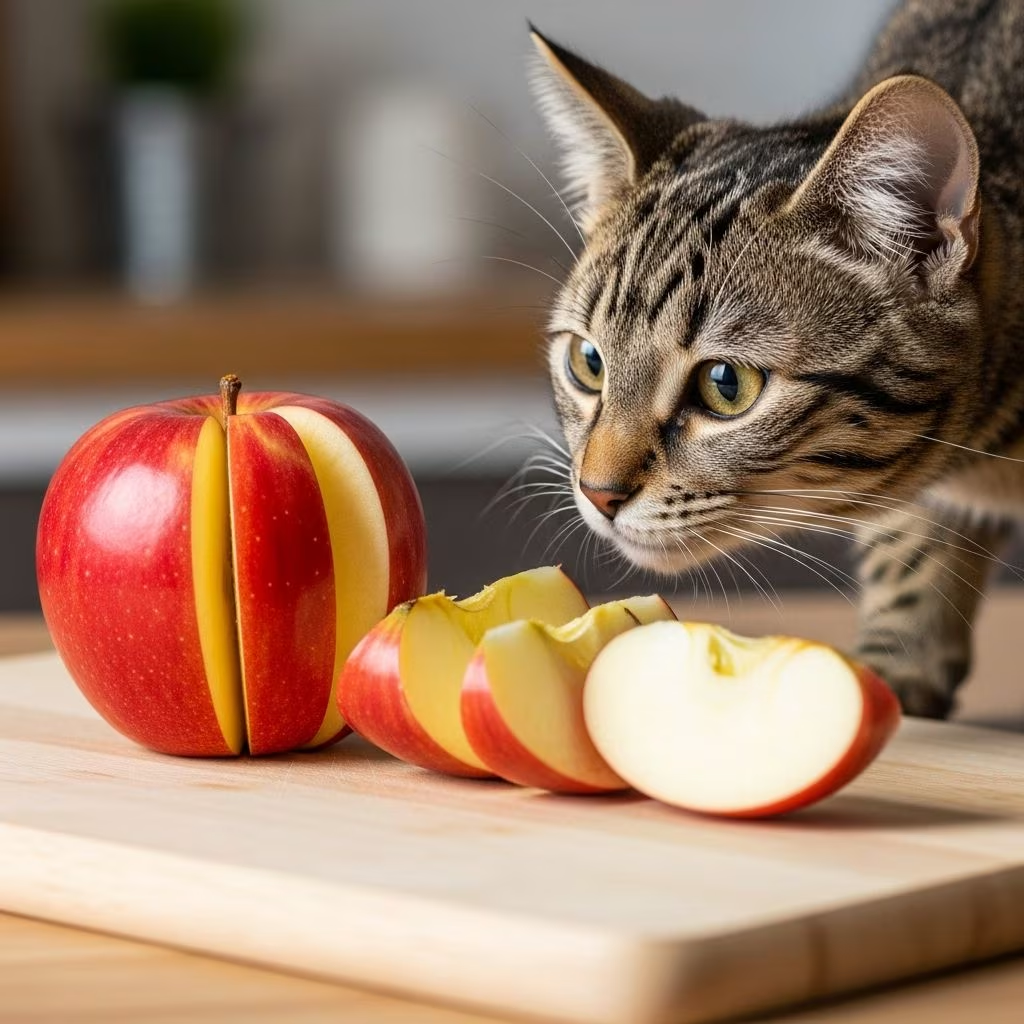
Apples are a popular, nutritious fruit for humans, packed with vitamins, fiber, and antioxidants. But can cats eat apples? The short answer is yes, cats can eat small amounts of plain apple flesh as an occasional treat, provided it’s properly prepared by removing seeds, stems, leaves, and core. These parts contain cyanogenic compounds that can release cyanide, which is toxic to cats. Apple flesh offers minimal nutritional value for obligate carnivores like cats, whose diets should primarily consist of meat-based foods. Overfeeding fruit can lead to digestive upset due to high fiber and sugar content. Always consult your veterinarian before introducing new foods, especially for cats with health conditions like diabetes or gastrointestinal issues.
Are Apples Safe for Cats?
Plain apple flesh is non-toxic and generally safe for most cats when given sparingly. However, safety hinges on proper preparation. Apple seeds, stems, leaves, and core harbor amygdalin, a compound that breaks down into hydrogen cyanide in the digestive system, posing a poisoning risk even in small quantities for cats due to their smaller body size. The flesh itself is low-calorie and hydrating but lacks essential nutrients cats derive from animal proteins, such as taurine. Cats are obligate carnivores, meaning they require meat for optimal health, and fruits like apples should never replace balanced commercial cat food.
- Safe parts: Peeled or unpeeled flesh (skin is digestible but may carry pesticides).
- Unsafe parts: Seeds (cyanide risk), stems, leaves, core.
- Portion size: No more than 1-2 small pieces (pea-sized for kittens) per week.
- Frequency: Occasional treat only, not daily.
If your cat ingests toxic parts, watch for symptoms like dilated pupils, rapid breathing, vomiting, or lethargy. Contact your vet or ASPCA Animal Poison Control (888-426-4435) immediately.
Nutritional Value of Apples for Cats
Apples provide vitamins A, C, and K, fiber, and antioxidants beneficial for humans, but cats synthesize vitamin C in their livers and get most needs from prey-like diets. The fiber (pectin) aids mild digestion in humans but can cause loose stools or vomiting in cats if overconsumed. Natural sugars (fructose) may spike blood glucose, risky for diabetic cats. Overall, nutritional perks are outweighed by risks for felines.
| Nutrient | Amount in 100g Apple | Benefit for Cats? |
|---|---|---|
| Fiber | 2.4g | Limited; excess causes GI upset |
| Vitamin C | 4.6mg | Unnecessary; cats produce it |
| Vitamin A | 54 IU | Minor support; better from meat |
| Sugar | 10.4g | Risk for obesity/diabetes |
Compared to cat food, apples contribute negligibly to daily requirements. A high-quality feline diet meets 100% of needs without supplements.
Health Benefits and Risks of Feeding Apples to Cats
Potential Benefits
- Hydration: High water content (86%) can entice picky eaters or aid mild dehydration.
- Low-calorie treat: Useful for overweight cats during training (fewer calories than commercial treats).
- Fiber boost: Tiny amounts may help mild constipation, but vet-approved laxatives are better.
Risks and Dangers
- Cyanide poisoning: From seeds/stems; 2-3 seeds can be harmful.
- Digestive issues: Fiber and skin may cause diarrhea, vomiting.
- Sugar overload: Fructose risks obesity, dental issues, diabetes.
- Pesticides: Residues on skin; wash thoroughly or peel.
- Choking hazard: Cut into tiny, soft pieces.
Cats with kidney disease, diabetes, or sensitive stomachs face higher risks. Studies on feline nutrition emphasize meat over plant matter.
How to Safely Feed Apples to Your Cat
- Select fresh apples: Organic preferred to minimize pesticides. Avoid bruised or moldy fruit.
- Wash thoroughly: Rinse under running water.
- Prepare properly: Peel (optional), core, remove seeds/stems. Chop into pea-sized pieces.
- Introduce slowly: Offer one tiny piece; monitor for 24-48 hours.
- Serve plain: Room temperature, no seasonings.
- Store leftovers: Refrigerate in airtight container up to 3 days.
Start with 1/4 teaspoon for adults; less for kittens. If no adverse reaction, limit to occasional use.
Can Cats Eat Cooked Apples?
Cooked apple flesh (plain, no sugar/cinnamon) is safer as it’s softer and easier to digest, reducing choking risk. Baking or boiling breaks down fibers, but avoid additives common in pies or sauces. Cool completely before serving. Still, limit to small amounts due to concentrated sugars.
Can Cats Eat Applesauce?
No, most commercial applesauce contains added sugars, preservatives, and thickeners harmful to cats. Homemade, strained, unsweetened versions might be okay in tiny amounts (1/4 tsp), but fresh flesh is preferable for fiber. High sugar risks GI upset and obesity.
Can Cats Eat Dried Apples?
Dried apples are not recommended. Dehydration concentrates sugars (up to 30g/100g), lacking water and increasing diabetes/obesity risk. Even seedless varieties pose digestive challenges. Opt for fresh alternatives.
Can Cats Eat Candy Apples?
Absolutely not. Candy apples are coated in sugar syrup, often with chocolate or nuts—both toxic. Excessive sugar causes rapid blood sugar spikes, pancreatitis, or dental decay. Stick to plain flesh.
Can Cats Drink Apple Juice?
Avoid apple juice. Store-bought versions have high sugar, no fiber, and additives. Homemade is still sugary without benefits. It offers no nutrition and risks diarrhea. Water or cat-approved broths are better.
What to Do If Your Cat Eats Apple Seeds or Stems
Act fast: Cyanide symptoms include salivation, bright red gums, difficulty breathing, seizures. Induce vomiting only if vet instructs (within 2 hours). Seek emergency care. Prevention is key—supervise treats.
Apples for Kittens
Kittens can have tiny amounts of prepared flesh occasionally, but their sensitive systems risk upset from fiber/sugar. Prioritize kitten formula/food until 1 year old. Consult vet.
Apples for Cats with Health Conditions
- Diabetes: Avoid due to sugars.
- Kidney disease: High fiber strains kidneys.
- Obesity: Low-cal but unnecessary.
Tailor treats to health status.
Alternatives to Apples for Cats
- Pumpkin (plain, canned): Fiber for digestion.
- Blueberries: Antioxidants, low sugar.
- Cooked meat scraps: Protein-rich.
- Commercial treats: Vet-formulated.
Frequently Asked Questions (FAQs)
Can cats eat apple skin?
No, apple skin is tough to digest and may hold pesticides. Peel for safety.
How much apple can I give my cat?
1-2 pea-sized pieces weekly max. Less for kittens/seniors.
Is apple cider vinegar safe for cats?
No, acidic and undiluted; can harm stomach/esophagus.
Can cats eat apple pie?
No, sugar, spices, crust are unsafe.
What if my cat ate apple seeds?
Call vet/ASPCA immediately.
References
- Can Cats Eat Apples? Here’s Everything You Need to Know — Pawlicy Advisor. 2023. https://www.pawlicy.com/blog/can-cats-eat-apples/
- Can Cats Eat Apples? The Complete Safety Guide — Wild Earth. 2023. https://wildearth.com/blogs/dog-knowledge/can-cats-eat-apples-the-complete-safety-guide
- Can Cats Eat Apples? A Guide to Safety — Purina US. 2024-01-14. https://www.purina.com/articles/cat/feeding/can-cats-eat/apples
- Can Cats Eat Apples? | Is This Fruit Safe for Your Cat? — Feline Fancy. 2023. https://felinefancy.co.uk/blogs/cat-care-tips/can-cats-eat-apples
- Can Cats Eat Apples? — PetMD. 2024. https://www.petmd.com/cat/nutrition/can-cats-eat-apples



