

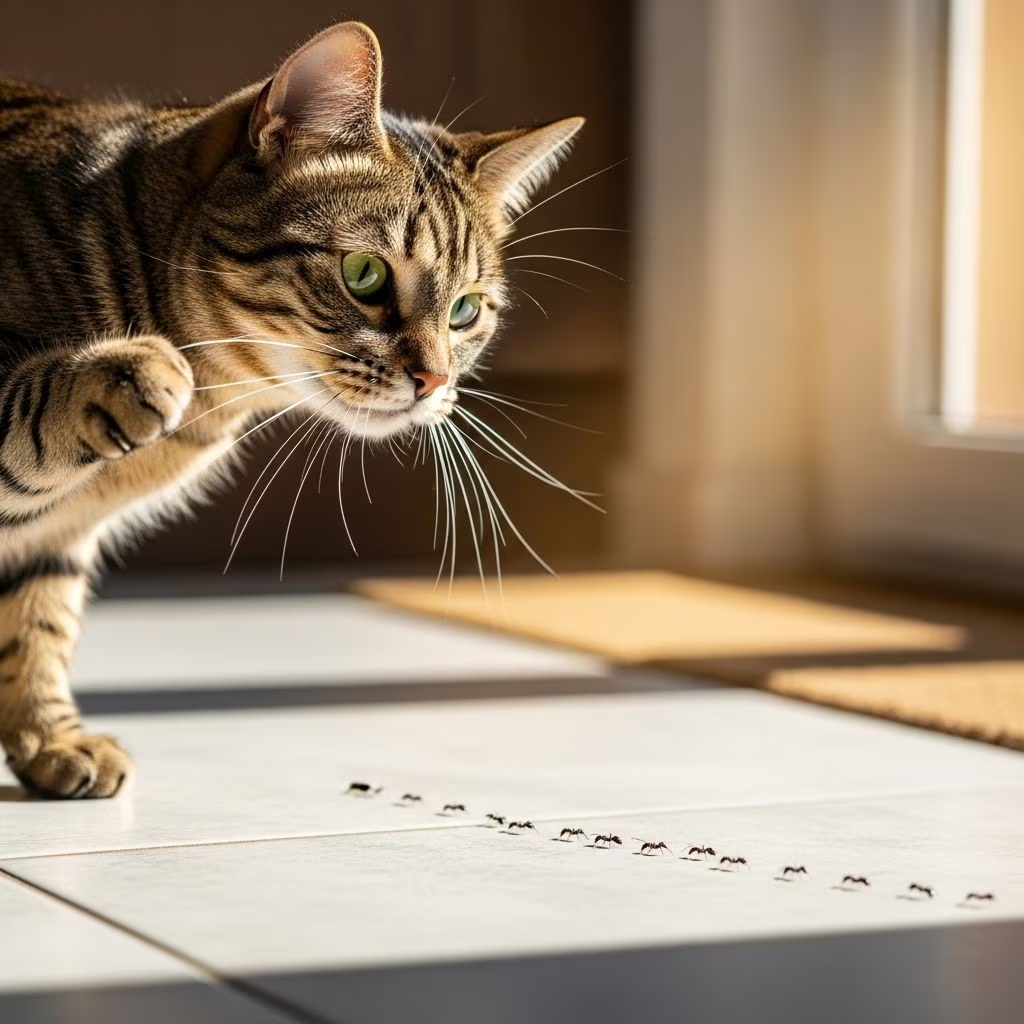
Cats are natural hunters with a strong instinct to chase and consume small prey, including insects like ants. While most common ants pose little danger if eaten occasionally, certain types such as fire ants can cause serious harm. Understanding the risks, benefits, and prevention methods is essential for cat owners to ensure their pet’s safety and health.
The Short Answer
Most household ants are not toxic to cats and can be eaten in small quantities without issue, but they offer no nutritional value and may carry risks like choking, allergies, or stings from venomous species. Fire ants, in particular, are dangerous due to their painful stings that can lead to allergic reactions or anaphylaxis in cats. Always monitor your cat after they consume ants and consult a vet if symptoms appear.
Why Do Cats Eat Ants?
Cats view ants as intriguing prey due to their movement and size, triggering their predatory instincts honed from wild ancestors who supplemented diets with insects. This behavior provides mental stimulation and satisfies hunting urges, especially indoors where larger prey is unavailable. However, while occasional consumption mimics natural foraging, it should not replace a balanced commercial cat food diet rich in essential taurine and other nutrients absent in ants.
In the wild, feral cats eat insects as part of a varied diet, but domestic cats rely on formulated kibble or wet food to meet AAFCO standards. Ants might appeal during play, but they can contaminate food bowls, deterring eating and leading to nutritional gaps if persistent.
Are Ants Safe for Cats to Eat?
Generally, yes for common sugar ants or household varieties, which are non-toxic and break down harmlessly in a cat’s stomach. Veterinary sources confirm that incidental ingestion during meals causes no harm, though it may make food unpalatable. However, safety varies by ant species:
- Sugar Ants: Harmless if eaten sparingly; clean bowls to prevent access.
- Fire Ants: Highly dangerous; their stings inject venom causing intense pain, swelling, and potential anaphylaxis. Cats may paw at faces or show distress post-ingestion.
- Carpenter Ants: Large size poses choking risk; generally non-toxic but monitor for splinters or irritation.
- Other Species: Some carry bacteria or parasites, though rare in household settings.
Choking is a concern for kittens or fast eaters, as ants’ hard exoskeletons resist quick digestion. Allergic reactions, manifesting as itching, vomiting, or breathing issues, occur in sensitive cats—seek immediate vet care if observed.
Health Risks of Cats Eating Ants
Beyond toxicity, several hazards exist:
- Stings and Bites: Fire ants sting multiple times, leading to pustules, lethargy, or severe swelling. Treatment baits are safer for pets than the ants themselves.
- Parasites/Disease: Rare, but ants near waste can transmit pathogens; unlike fleas, ants don’t typically carry tapeworms.
- Digestive Upset: Large quantities may cause vomiting or diarrhea from exoskeleton chitin, which is indigestible.
- Allergies: Similar to humans, cats can react to ant proteins with hives or gastrointestinal distress.
Observe for symptoms like drooling, pawing at mouth, hives, vomiting, diarrhea, or difficulty breathing. Mild cases resolve, but severe ones require antihistamines or epinephrine from a vet.
Nutritional Value of Ants for Cats
Ants provide minimal nutrition compared to cat food. They contain protein (up to 40-70% dry weight), fats, and amino acids like arginine, but lack taurine critical for feline heart and eye health. Studies on insect meals show good digestibility of proteins and fats from cockroaches or worms, comparable to chicken, with benefits for skin and coat via fatty acids like linoleic acid.
However, ants alone cannot sustain cats as obligate carnivores needing animal-sourced nutrients. Insect-based commercial foods balance this, offering sustainable protein with lower environmental impact—crickets require less water and land than beef. A 2020 study found cats digested insect dry matter, protein, and fat as well as chicken, with no metabolic differences.
| Nutrient | Ants/Insects | Chicken-Based Diet | Benefit for Cats |
|---|---|---|---|
| Protein Digestibility | High (90%+) | High (90%+) | Muscle maintenance |
| Fatty Acids (e.g., Linoleic) | Rich | Moderate | Skin/coat health |
| Taurine | Low/Absent | High | Essential; must supplement |
| Digestibility Score | Similar | Baseline | No digestive impact |
Insect diets show promise but require fortification for complete nutrition.
Different Types of Ants and Their Dangers
Not all ants are equal:
- Common Household Ants (Sugar, Odorous): Safe; attracted to pet food spills.
- Fire Ants (Red Imported): Venomous stings rival bee stings; greater threat than treatments.
- Argentine Ants: Non-aggressive, low risk.
- Pharaoh Ants: Tiny, potential bacteria carriers in unclean areas.
- Velvet Ants (Wasp-like): Extremely painful sting; avoid entirely.
Identify via size, color, and behavior—fire ants form mounds and swarm aggressively.
What Happens If a Cat Eats Ants?
Typically, nothing adverse; ants are digested like other protein. But if fire ants are involved, expect immediate pain, followed by swelling or systemic effects. Kittens may choke; adults might vomit indigestible parts. Long-term, repeated exposure risks allergies or unclean habits.
Can Cats Eat Ants Every Day?
No—ants lack balanced nutrition and may introduce contaminants. Daily hunting signals boredom or dietary dissatisfaction; enrich environment with toys. Insect-based kibble is better for routine if sustainable feeding appeals, transitioned gradually over 7-10 days: 25% new food day 1-2, up to 100% by day 10.
How to Keep Ants Out of Cat Food
Prevention is key:
- Clean bowls daily; use soap and hot water.
- Store dry food in airtight containers.
- Elevate bowls or use ant moats (water barriers).
- Seal home entry points; use pet-safe baits like borax away from pets.
- Feed in designated areas, remove uneaten food promptly.
Fire ant treatments are non-toxic to cats, sinking into grass beyond reach.
When to See a Vet
Contact a vet if your cat shows persistent vomiting, swelling, lethargy, breathing issues, or seizure-like activity post-ant ingestion. Provide details on ant type and quantity. Early intervention prevents complications like anaphylaxis.
Frequently Asked Questions (FAQs)
Are sugar ants harmful to cats?
No, sugar ants are not harmful when ingested in small quantities, but keep feeding areas clean to avoid them.
Can fire ants kill cats?
Rarely, but multiple stings can cause severe allergic reactions or toxicity; fire ants pose more risk than pet-safe treatments.
Is it okay if my cat eats a few ants occasionally?
Yes, occasional ingestion of common ants is safe and natural, but monitor for unusual symptoms.
Do ants carry diseases to cats?
Uncommon, but they can carry bacteria; unlike fleas, no direct parasite link like tapeworms.
Can insects be part of a cat’s regular diet?
Yes, in balanced commercial insect-based foods, offering sustainable nutrition comparable to meat.
How do I stop ants from getting in my cat’s food?
Clean areas, use sealed containers, and ant moats; store food properly.
References
- Can sugar ants harm my cat if they’ve been crawling around in his … — Dial A Vet. 2023. https://www.dialavet.com/vet-answers/sugar-ants-harm-cats-194105
- Can Cats Eat Insects? — Dr. Ruth Roberts. 2023. https://drruthroberts.com/blogs/pet-blog/can-cats-eat-insects
- Ants in my cat’s food — TheCatSite. 2007. https://thecatsite.com/threads/ants-in-my-cats-food.226889/
- Fire ant treatment safety — Fire Ants Australia (.gov.au). 2024. https://www.fireants.org.au/treat/treatment-types/safety



