

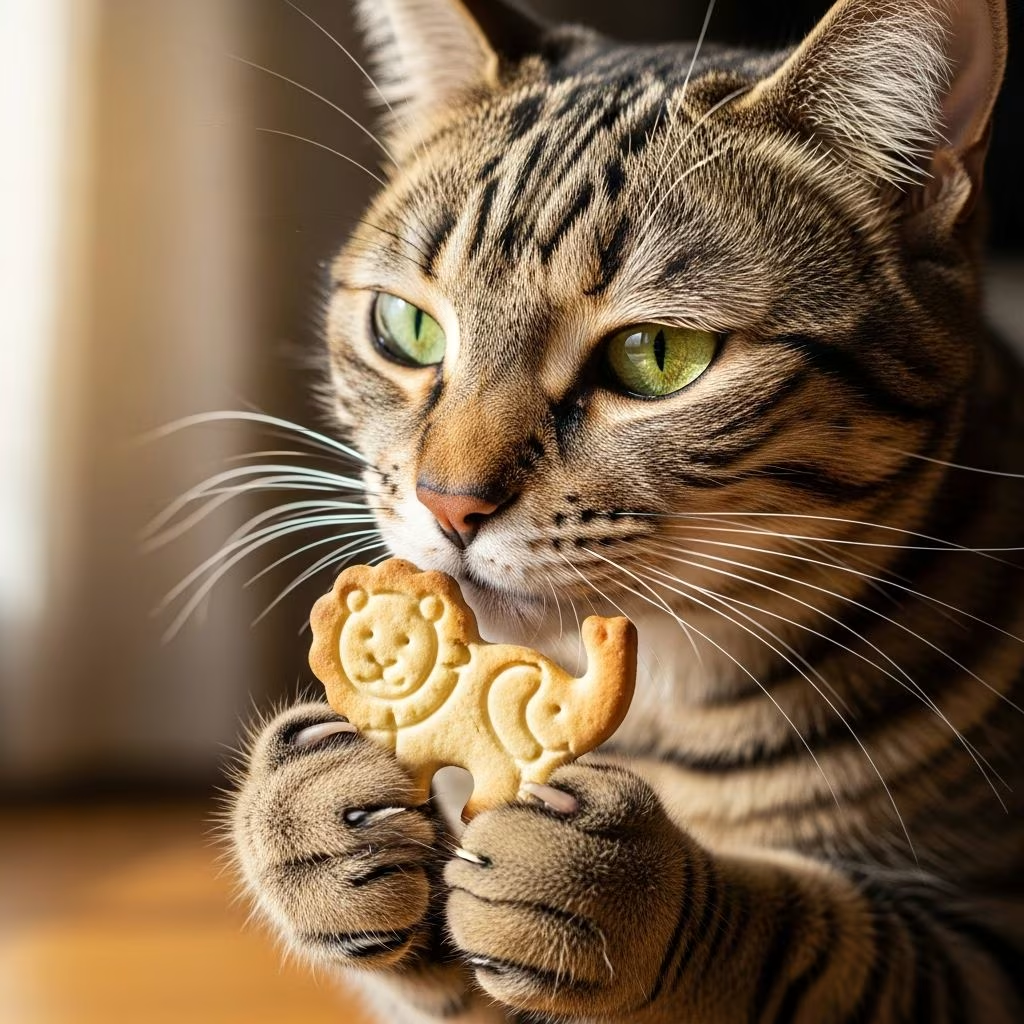
Animal crackers, those fun-shaped treats popular among humans, might tempt your curious cat. But are they safe? While not toxic, animal crackers are not recommended for cats due to high sugar, carbs, salt, and lack of essential nutrients like taurine. Cats are obligate carnivores needing protein-rich diets, making these snacks unsuitable.
This article dives into the ingredients, safety, risks, and better alternatives, helping you make informed choices for your feline’s health.
What Are Animal Crackers?
Animal crackers are sweet, cookie-like treats shaped like animals, typically made from wheat flour, sugar, vegetable oils, and flavorings. Brands like Barnum’s Animals include enriched flour, sugar (up to 7g per serving), partially hydrogenated oils, and additives like high fructose corn syrup. They offer empty calories with minimal protein, contrasting sharply with a cat’s dietary needs.
Cats lack enzymes to efficiently digest carbs and sugars, leading to potential issues. These crackers provide no taurine, an amino acid vital for heart and eye health in cats, absent in plant-based foods.
Can Cats Eat Animal Crackers Safely?
In tiny amounts, a single small cracker won’t likely harm a healthy adult cat. However, regular or larger portions pose risks due to ingredients mismatched for feline biology. As obligate carnivores, cats thrive on meat-based proteins, not grain-heavy snacks.
- Occasional nibble: May cause mild stomach upset like gas or soft stools.
- Regular feeding: Contributes to obesity, diabetes risk, and nutrient deficiencies.
- Sensitive cats: Could trigger allergies to wheat or additives.
Veterinarians advise against sharing human snacks; opt for cat-specific treats instead.
Nutritional Breakdown of Animal Crackers for Cats
Animal crackers are carb-dominant (about 20g per 30g serving), with 7g sugar and 3g fat, but only 2g protein—insufficient for cats needing 26-30% protein daily.
| Nutrient (per 30g serving) | Amount | Cat Needs | Implication |
|---|---|---|---|
| Calories | 140 | Low-protein calories | Promotes weight gain |
| Carbs | 20g | Minimal | Digestion issues |
| Sugar | 7g | None | Obesity, dental decay |
| Protein | 2g | High | Nutrient gap |
| Sodium | 65mg | Low | Kidney strain |
This profile lacks moisture (crackers are dry), risking dehydration or choking, especially for kittens or seniors.
Potential Health Risks of Animal Crackers for Cats
Though not poisonous, animal crackers can harm cats over time through various mechanisms.
Digestive Upset
High carbs and sugars ferment in a cat’s gut, causing bloating, diarrhea, vomiting, or constipation. Wheat gluten may irritate sensitive stomachs, mimicking grain allergies.
Obesity and Diabetes
Empty calories lead to fat accumulation. Indoor cats, already prone to obesity (60% per studies), face heightened diabetes risk from carb spikes disrupting blood sugar.
Dental and Oral Health Issues
Sugars promote plaque and tartar, leading to gingivitis or tooth decay. Sticky residues exacerbate this in crumbly crackers.
Salt and Kidney Concerns
Sodium levels (65mg+) strain kidneys, risky for cats with chronic kidney disease (affecting 30-50% of seniors). Excess salt risks poisoning symptoms like lethargy or seizures in extremes.
Allergies and Additives
Preservatives, artificial colors, or palm oil may cause itching, ear infections, or hyperactivity. Rare but possible wheat intolerance leads to chronic GI woes.
Nutritional Imbalance
No taurine or arachidonic acid means long-term feeding could cause dilated cardiomyopathy or vision loss.
Monitor for symptoms post-exposure: lethargy, excessive thirst, or stool changes warrant a vet visit.
Healthier Alternatives to Animal Crackers for Cats
Skip the crackers; choose these vet-approved options:
- Commercial cat treats: High-protein freeze-dried meat (e.g., chicken, salmon) with taurine.
- Plain cooked meats: Chicken, turkey, or fish—unseasoned, small pieces.
- Catnip toys or greens: Catnip for fun, wheatgrass for fiber without carbs.
- Commercial wet food toppers: Puree with omega-3s for joint health.
- Dental chews: Enzymatic treats reducing tartar safely.
Limit treats to 10% of daily calories (200-250 for average cat). Always introduce gradually.
How to Safely Share Snacks with Cats
If sharing is inevitable:
- Opt for plain, low-sugar versions.
- Crush into tiny crumbs to prevent choking.
- Ensure fresh water access.
- Observe for 24 hours post-feeding.
- Consult vet for dietary changes, especially for health conditions.
Frequently Asked Questions (FAQs)
Are animal crackers toxic to cats?
No, but harmful due to sugar, salt, and carbs. Avoid regular feeding.
Can kittens eat animal crackers?
Absolutely not—kittens need nutrient-dense milk or kitten food for growth.
What if my cat ate a whole pack?
Watch for vomiting, diarrhea, or lethargy. Contact vet or poison hotline if symptoms appear.
Are there cat-safe cracker alternatives?
Yes, grain-free cat biscuits or dehydrated meats mimic crunch without risks.
Do animal crackers cause allergies in cats?
Possible with wheat or additives; signs include itching or diarrhea.
Conclusion
Animal crackers might delight kids, but they’re a dietary mismatch for cats. Prioritizing protein-rich, low-carb treats ensures your cat stays lean, energetic, and healthy. Steer clear of human snacks to prevent obesity, GI issues, and deficiencies. Your vet can tailor a diet plan—invest in your cat’s longevity today.
References
- Can Cats Eat Animal Crackers? — Zoorithm. 2023-05-15. https://www.zoorithm.com/cats/can-cat-eat-animal-cracker
- Can Cats Eat Crackers? Vet-Verified Facts & Safe Alternatives — Catster. 2024-08-20. https://www.catster.com/cat-health-care/can-cats-eat-crackers/
- Can Cats Eat Crackers? Vet-Reviewed Facts & Considerations — Hepper. 2024-03-10. https://articles.hepper.com/can-cats-eat-crackers/
- Foods Poisonous to Cats: 4 Dangerous Ones to Avoid — PetPlace.com. 2023-11-05. https://www.petplace.com/article/cats/pet-health/cat-health/cat-diet-nutrition/the-ultimate-guide-to-what-cats-cant-eat
- The Salty Truth: Are Saltine Crackers Safe for Your Feline Friend? — Pet Super Market. 2024-01-22. https://petsupermarket.shop/blogs/news/can-cats-eat-saltine-crackers



