

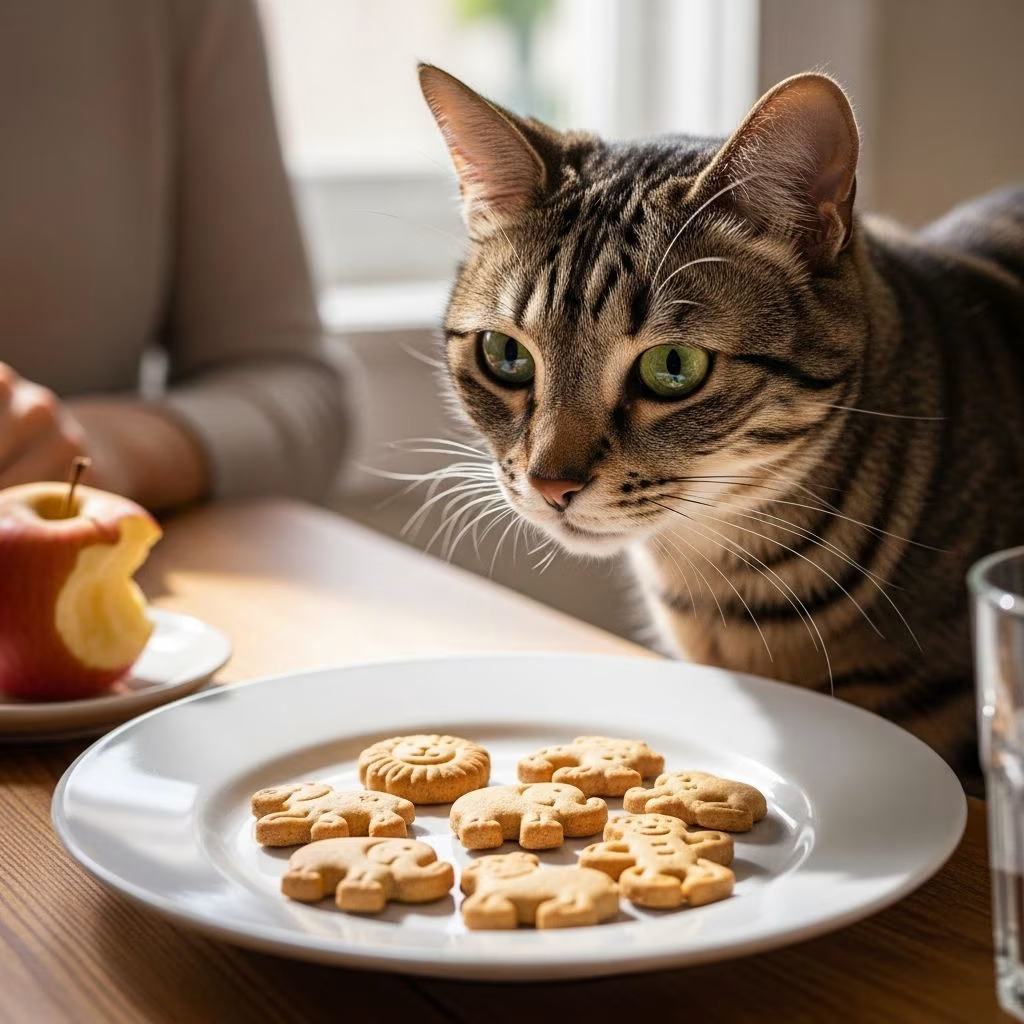
Animal crackers are a nostalgic human snack shaped like cute animals, but can cats eat animal crackers safely? While a tiny nibble of plain animal crackers won’t likely harm most cats, they are not recommended as treats due to high salt, carbohydrates, fats, and potential additives that don’t align with feline nutritional needs. Cats are obligate carnivores requiring protein-rich diets, and these crackers offer empty calories that can lead to obesity, digestive issues, or worse if flavored varieties contain toxins like onion or garlic.
This comprehensive guide breaks down the ingredients, health risks, safer alternatives, and expert veterinary insights to help you make informed choices for your cat’s diet. Prioritizing cat-specific foods ensures your furry friend stays healthy and happy.
What Are Animal Crackers?
Animal crackers are crispy, baked snacks typically made from wheat flour, sugar, vegetable oils, and a generous coating of salt. Brands like Barnum’s Animals have popularized them since the late 1800s, often flavored with vanilla or cinnamon and sometimes frosted for extra appeal. Unlike cat food, these are designed for human palates, packing carbs from flour, sweeteners for taste, and preservatives for shelf life.
- Core Ingredients: Enriched flour (wheat, niacin, iron), sugar, soybean oil, salt, baking soda, and artificial flavors.
- Variations: Some include molasses, honey, or chocolate coating; flavored types may add cheese, herbs, or alliums like onion powder.
- Nutritional Profile per Serving (about 13 crackers): Roughly 140 calories, 3g fat, 24g carbs, 2g protein, and 160mg sodium—mostly empty for cats.
While the animal shapes might delight your cat visually, the composition spells trouble for their obligate carnivore biology, which thrives on meat-based proteins, not grains.
Can Cats Eat Animal Crackers?
No, cats should not eat animal crackers regularly. Plain varieties aren’t outright toxic in small amounts, but their high carbohydrate content, salt, and fats make them unsuitable. A single small piece might pass without issue if your cat sneaks it, but habitual feeding displaces nutrient-dense cat food, risking malnutrition.
| Aspect | Plain Animal Crackers | Flavored/Frosted | Cat Food Ideal |
|---|---|---|---|
| Protein | Low (2g/serving) | Low | High (30-50%) |
| Carbs | High (24g) | Very High | Low (<10%) |
| Salt/Sodium | High (160mg) | Higher | Minimal |
| Safety for Cats | Occasional tiny piece OK | Avoid—toxic additives | Optimal |
Start with minuscule portions if testing tolerance, but monitor for adverse reactions. Veterinary consensus: stick to commercial cat treats.
Are Animal Crackers Toxic to Cats?
Plain animal crackers aren’t directly toxic, but certain ingredients can be harmful or poisonous in quantity. Risks escalate with flavored versions containing garlic, onion, or excessive salt.
- Salt Overload: High sodium (up to 160mg per small serving) risks salt poisoning—symptoms include vomiting, lethargy, tremors, seizures. Cats need far less sodium than humans.
- Allium Toxins: Onion/garlic powders in seasoned crackers damage red blood cells, causing anemia.
- Sugar/Fats: Can trigger diarrhea, pancreatitis from vegetable oils.
- Baking Agents: Excess baking soda may disrupt electrolytes.
Xylitol (rare in crackers but possible in frosted ones) is deadly, causing hypoglycemia. Always check labels.
Dangers of Animal Crackers for Cats
High Salt Content
The salty crust defines animal crackers, but cats tolerate little sodium. Overconsumption leads to thirst, dehydration, or sodium ion toxicity, with symptoms like diarrhea, weakness, and elevated heart rate. A few crackers could exceed a cat’s daily sodium needs.
Excess Carbohydrates and Empty Calories
As obligate carnivores, cats derive energy from protein/fat, not carbs. Crackers’ flour base promotes weight gain, diabetes, and hepatic lipidosis. Indoor cats are especially prone to obesity from such treats.
Potential Allergens and Additives
Wheat gluten, dairy in frosted varieties, or preservatives like BHT can cause allergies: itching, GI upset, or anaphylaxis in sensitive cats. Artificial flavors irritate stomachs.
Choking and GI Blockage Hazards
Dry, hard texture risks choking, especially for kittens. Undigested pieces may cause blockages, requiring surgery.
Nutritional Imbalance
Crackers lack taurine, essential fatty acids, and vitamins cats need, leading to deficiencies if they replace meals. Treats should be <10% of calories.
Healthier Alternatives to Animal Crackers
Opt for cat-safe treats mimicking crackers’ crunch without risks. Limit to 10% daily calories.
- Commercial Cat Treats: Freeze-dried meat (chicken, salmon) from brands like Wellness or Temptations—high protein, low carb.
- DIY Options: Bake plain chicken/tuna bits; air-popped plain popcorn (no butter/salt) in tiny amounts.
- Produce: Cucumber slices, steamed green beans for hydration/crunch.
- Avoid: Nuts, raw meat, dairy-heavy foods.
| Treat Type | Benefits | Examples |
|---|---|---|
| Protein-Based | Meets carnivore needs | Freeze-dried liver, chicken jerky |
| Low-Cal Veggies | Hydration, fiber | Broccoli florets, zucchini |
| Dental Treats | Cleaning + fun | Greenies, dental chews |
FAQs
Q: Can cats have a little bit of animal crackers?
A: A tiny crumb of plain ones occasionally won’t hurt, but avoid regular feeding due to salt/carbs.
Q: What if my cat ate a whole pack of animal crackers?
A: Watch for vomiting, lethargy, thirst. Contact vet if symptoms appear—salt toxicity possible.
Q: Are frosted animal crackers safe?
A: No, sugar/frosting adds GI upset risk; some contain xylitol.
Q: What are the best crunch treats for cats?
A: Freeze-dried meats or vet-approved dental sticks provide safe texture.
Q: How much treat is too much for cats?
A: No more than 10% daily calories; consult vet for your cat’s needs.
References
- The Salty Truth: Are Saltine Crackers Safe for Your Feline Friend? — Pet Super Market. 2023-05-15. https://petsupermarket.shop/blogs/news/can-cats-eat-saltine-crackers
- Can Cats Eat Crackers? Vet-Verified Facts & Safe Alternatives — Catster. 2024-08-20. https://www.catster.com/cat-health-care/can-cats-eat-crackers/
- Can Cats Eat Crackers? Vet-Reviewed Facts & Considerations — Hepper. 2024-07-10. https://articles.hepper.com/can-cats-eat-crackers/
- Foods Poisonous to Cats: 4 Dangerous Ones to Avoid — PetPlace.com. 2023-11-05. https://www.petplace.com/article/cats/pet-health/cat-health/cat-diet-nutrition/the-ultimate-guide-to-what-cats-cant-eat



