

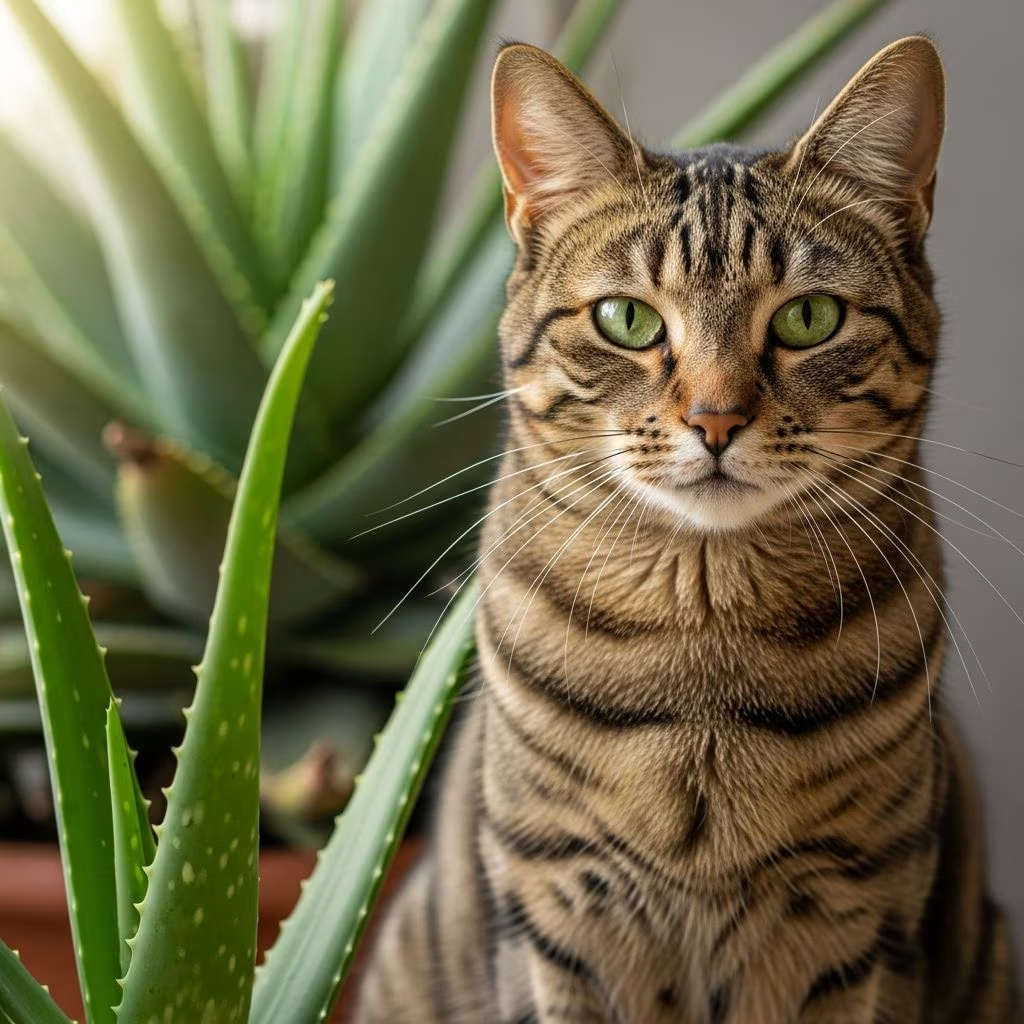
Can Cats Eat Aloe? Understanding the Risks
If you have a garden or home filled with aloe plants and a curious cat, you’re likely wondering whether your feline friend can safely nibble on these popular houseplants. The short answer is no—aloe is toxic to cats, and you should be concerned if your cat has access to these plants. While a single bite may not be immediately life-threatening, aloe consumption can lead to serious health complications that require veterinary attention. Understanding the specific dangers of aloe and knowing how to respond if your cat ingests it is essential for responsible pet ownership.
Is Aloe Toxic to Cats?
Yes, aloe is believed to be mild to moderately toxic to cats. The toxicity varies depending on the amount consumed and your cat’s individual health status. It’s important to note that this article discusses the toxicity of Aloe vera, though other aloe species like Aloe barbadensis (also known as true aloe) are equally toxic to cats, though the toxic mechanisms may differ slightly.
Understanding the Toxic Components
Aloe plants contain two primary toxic compounds that pose risks to feline health:
- Saponins: These compounds are toxic to a wide range of animals, including dogs, horses, and cats. Saponins are found throughout the aloe plant and can cause significant gastrointestinal distress.
- Anthraquinones: These compounds function similarly to laxatives and are found primarily in the latex of the plant. Anthraquinones can cause severe gastrointestinal complications when ingested.
The combination of these toxic elements means that consumption of aloe can trigger what veterinarians refer to as aloe poisoning in cats. The latex portion of the plant—the white substance between the outer skin and the inner gel—is particularly dangerous, while the clear gel inside is less harmful if consumed in small amounts.
Symptoms of Aloe Poisoning in Cats
If your cat has ingested aloe, watch for the following signs of poisoning:
- Vomiting
- Diarrhea
- Lethargy and decreased energy levels
- Depression or behavioral changes
- Tremors
- Refusal to eat or loss of appetite
- Changes in urine color
- Abdominal pain
- Weight loss
It’s crucial to understand that symptoms may not appear immediately after ingestion. Signs of aloe poisoning can take between 6 to 12 hours to manifest. Additionally, the severity of symptoms depends on the amount of aloe your cat consumed and their body size. Diarrhea and vomiting can cause significant dehydration in pets, which may lead to stomach cramping, loss of appetite, mental depression, changes in blood pressure, and increased lethargy.
What to Do If Your Cat Chews on an Aloe Plant
If you’ve discovered that your cat has been munching on your aloe plants, it’s essential to take immediate action. The longer you delay getting your cat medical attention, the more toxins they will absorb, and the less effectively your veterinarian will be able to help them.
Immediate Steps to Take
- Do not wait for symptoms to appear: Even if your cat seems fine, contact your veterinarian immediately. It’s better to be cautious than to risk serious complications.
- Do not induce vomiting at home: While induced vomiting might seem like a logical response, it is difficult and potentially dangerous in cats. In some cases, attempting to induce vomiting at home can actually make the situation worse.
- Contact your veterinarian or emergency clinic: If your regular vet is unavailable, call an emergency veterinary clinic, the Pet Poison Hotline, or consult with a vet online for immediate guidance.
- Bring plant material if possible: If you can safely collect a piece of the aloe plant or take a photo, bring this information to the vet to confirm what your cat consumed.
How Veterinarians Treat Aloe Poisoning
When you bring your poisoned cat to the veterinarian, they will conduct a thorough examination and likely perform diagnostic testing. The vet will typically want to run a diagnostic panel that includes blood and urine samples to assess your cat’s organ function and hydration status.
Treatment Options
Depending on the timing of treatment and severity of symptoms, your veterinarian may recommend:
- Activated charcoal: If administered soon after ingestion, activated charcoal can help absorb toxins in your cat’s digestive system, preventing further absorption into the bloodstream.
- Induced vomiting: Your veterinarian may induce vomiting under controlled medical conditions to remove aloe from your cat’s stomach before it can cause damage.
- Intravenous fluids: If your cat is showing adverse effects from eating aloe, IV fluids may be administered to prevent dehydration and support organ function.
- Prescription diet: During recovery, your cat might be placed on a specialized prescription diet to support their digestive system and overall health.
Recovery Outlook
The good news is that if you get your cat to the veterinarian quickly enough, they should recover fully without any lasting effects. However, recovery time varies. Some cats recover within a few days, while others may take weeks to fully recuperate, especially if they consumed large quantities of aloe or if treatment was delayed.
Can You Use Aloe Products on Your Cat?
You might be wondering if aloe-based products designed for topical use are safe for cats. The answer depends on the product formulation. Since the toxic latex is concentrated in the white part of the plant, products made from purified aloe gel with the latex removed may be used on cats under veterinary supervision. However, it’s always best to consult with your veterinarian before applying any aloe product to your cat’s skin, as some cats may have individual sensitivities or allergies.
How to Keep Your Cat Away from Aloe Plants
The most effective strategy for protecting your cat from aloe poisoning is prevention. Here are several approaches you can take:
Removal Strategy
The best and most certain way to keep your cat from eating aloe plants is to not keep aloe plants in your home. This is the only foolproof method that guarantees your cat won’t have access to the toxic plant unless they encounter it elsewhere.
Alternative Prevention Methods
If you’re reluctant to remove your aloe plants entirely, consider these alternatives:
- High placement: Place aloe plants on high shelves, hanging planters, or windowsills that are completely inaccessible to your cat.
- Physical barriers: Use plant stands with barriers, glass enclosures, or closed cabinets to prevent your cat from reaching the plants.
- Separate rooms: Keep aloe plants in rooms where your cat is never allowed, such as a locked office or greenhouse.
- Deterrents: Use cat-safe deterrent sprays around plants to discourage your cat from investigating.
Cat-Safe Plant Alternatives
If you love having plants in your home but want to ensure your cat’s safety, consider these pet-friendly alternatives:
- Spider plants
- Boston ferns
- Cat grass
- African violets
- Parlor palms
Should You Induce Vomiting at Home?
This is an important question that many concerned cat owners ask. The answer is clear: do not attempt to make your cat vomit at home unless specifically directed to do so by a veterinarian. Inducing vomiting in cats is difficult, potentially dangerous, and can sometimes make the problem worse rather than better. This is why professional veterinary care is essential when your cat has ingested a toxic substance.
Frequently Asked Questions About Aloe and Cats
Q: How much aloe does it take to poison a cat?
A: The amount required to cause poisoning varies based on your cat’s size and overall health. Even small amounts can cause mild symptoms, while larger quantities can lead to more severe complications. Any ingestion should be treated seriously.
Q: Can aloe poisoning be fatal to cats?
A: A single nibble is unlikely to be fatal, but the risk increases significantly if your cat has eaten a substantial amount of aloe. Quick veterinary intervention dramatically improves outcomes.
Q: How long does it take for aloe poisoning symptoms to appear?
A: Symptoms can take 6 to 12 hours to become apparent, which is why immediate veterinary attention is important even if your cat seems fine.
Q: Are all parts of the aloe plant equally toxic?
A: No. The white latex part of the plant is the most toxic, while the clear gel inside is less harmful. However, both parts contain toxic compounds.
Q: What should I do if I can’t reach my regular veterinarian?
A: Contact an emergency veterinary clinic, the Pet Poison Hotline, or consult with an online veterinarian for immediate guidance on how to proceed.
Q: Can cats develop a tolerance to aloe if exposed repeatedly?
A: No. Repeated exposure to aloe will not make cats tolerant of its toxic effects. Each ingestion poses the same risks.
Final Thoughts on Aloe and Cat Safety
Aloe is not safe for cats, and responsible pet owners should take this concern seriously. While aloe poisoning is not typically fatal with prompt treatment, it can negatively impact your cat’s health, leading to an upset stomach, loss of appetite, and potentially prolonged hospitalization. The key to protecting your cat is prevention combined with quick action if exposure occurs. By understanding the risks associated with aloe plants, recognizing the symptoms of poisoning, and knowing how to respond appropriately, you can ensure a safe and healthy environment for your feline companion. If you want to keep both aloe plants and cats in your home, you must place the plants somewhere that your cats absolutely cannot reach—and ideally, consider removing them entirely to eliminate any risk.
References
- Can Cats Eat Aloe? Vet-Approved Safety Guidelines — Catster. 2024. https://www.catster.com/cat-health-care/can-cats-eat-aloe/
- Aloe Plants: Toxic to Cats? — Plantology USA. 2024. https://plantologyusa.com/blogs/the-plantologist/aloe-plants-toxic-to-cats
- Are Aloe Plants Toxic to Cats? — Montgomery Veterinary Associates. 2024. https://mvavets.com/blog/are-aloe-plants-toxic-to-cats/
- Aloe Vera and Pets — AERCMN. 2024. https://aercmn.com/aloe-vera-and-pets/



