

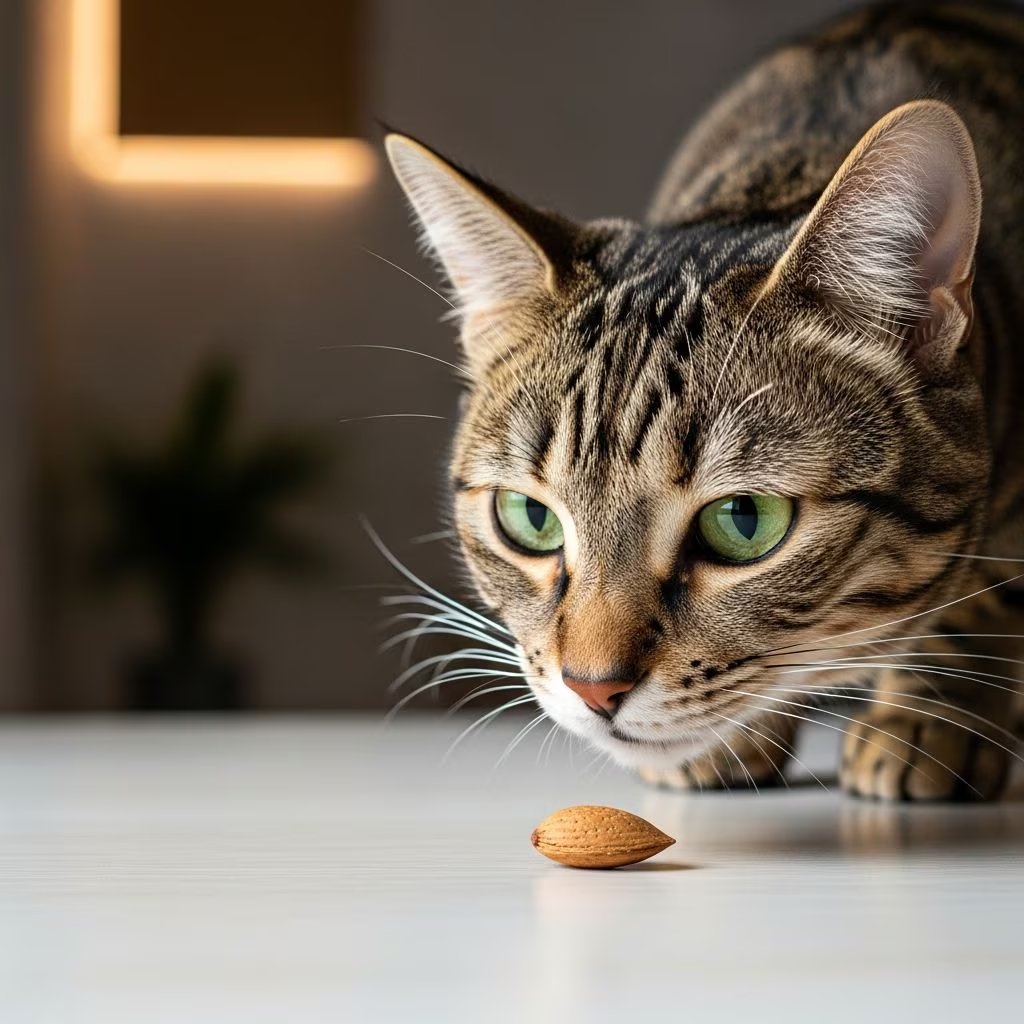
Can Cats Eat Almonds? A Comprehensive Guide for Cat Owners
One of the most frequently asked questions about feline nutrition is whether cats can eat almonds. The answer is not straightforward—it depends on the type of almond and the quantity consumed. While certain almonds are not toxic to cats, there are significant health concerns that make them unsuitable as treats for your feline companion. This guide explores the complexities of feeding almonds to cats and provides evidence-based recommendations from veterinary experts.
The Nuanced Answer: Yes and No
The confusion surrounding almonds and cats stems from the fact that the answer is neither simply yes nor simply no. Sweet almonds, which are the types commonly sold in grocery stores for human consumption, are non-toxic to cats. However, bitter almonds present a serious danger due to their cyanide content. Additionally, even sweet almonds pose practical health risks that make them unsuitable for feline diets, despite not being technically toxic.
Understanding the distinction between these types is crucial for keeping your cat safe. While cats can physically eat sweet almonds without experiencing immediate poisoning, they absolutely should not consume bitter almonds under any circumstances.
Sweet Almonds: Safe but Not Recommended
Sweet almonds are the varieties you’ll find at any supermarket or health food store. According to the ASPCA, sweet almonds are entirely safe and are not toxic to cats, contrary to numerous myths circulating online. Since cats are obligate carnivores, however, their digestive systems have evolved specifically to process meat and have little use for plant-based foods.
Why Sweet Almonds Shouldn’t Be Fed to Cats
Even though sweet almonds are non-toxic, several factors make them inappropriate treats for felines:
- High Fat Content: Almonds contain significant amounts of fat, which can be too rich for cats’ sensitive digestive systems. This can lead to gastrointestinal upset, including vomiting and diarrhea.
- Choking Hazard: The size and hardness of almonds make them potential choking hazards, particularly for smaller cats or kittens.
- Gastrointestinal Blockage: If swallowed whole, almonds may not be properly digested and could cause intestinal blockages requiring emergency veterinary intervention.
- Lack of Nutritional Value: Although almonds contain healthy fats, proteins, magnesium, and vitamin E that benefit humans, these nutrients have minimal value for cats whose dietary needs are entirely meat-based.
- Risk Habituation: Feeding sweet almonds to your cat may create a habit that could prove dangerous if your cat later encounters bitter almonds.
Bitter Almonds: Extremely Dangerous
Bitter almonds present a genuine toxicity concern that every cat owner should understand. Unlike sweet almonds, bitter almonds contain hydrocyanic acid, which releases cyanide when ingested. This makes them severely toxic to cats and humans alike.
The lethal dose of bitter almonds is disturbingly low for animals. As few as 7 to 10 bitter almonds can kill a human child, and only about a dozen can be fatal to a healthy adult. For cats, which weigh significantly less than humans, the toxic dose is proportionally much smaller, making bitter almonds extraordinarily dangerous. There is no safe number of bitter almonds that a cat can consume.
While bitter almonds are banned in many locations and are not commonly found in grocery stores, pet owners should remain vigilant. If you suspect your cat has ingested bitter almonds, contact your veterinarian immediately.
Symptoms of Bitter Almond Toxicity
If your cat has consumed bitter almonds, watch for these warning signs:
- Vomiting
- Diarrhea
- Lethargy or unusual tiredness
- Loss of appetite
- Abdominal pain
- Increased heart rate
- Difficulty breathing
Any of these symptoms warrant immediate veterinary attention.
Health Risks Associated with Almond Consumption
Beyond the distinction between sweet and bitter almonds, several health concerns apply to almond consumption in cats:
Digestive Issues
Cats have sensitive digestive systems designed exclusively for processing meat. The high fat and oil content in almonds can trigger gastrointestinal upset, resulting in vomiting, diarrhea, and stomach discomfort. Since cats rely on low-fat meals for optimal health, even sweet almonds can cause digestive problems if consumed in quantities beyond a tiny piece.
Pancreatitis Risk
In severe cases, particularly when cats consume almonds frequently or in significant amounts, the high-fat content can contribute to the development of pancreatitis. This painful inflammatory condition affects the pancreas and can be life-threatening, requiring emergency medical intervention and ongoing management.
Physical Obstruction
The size and hardness of almonds make them a significant obstruction hazard. Cats that attempt to swallow whole almonds may experience choking or, if the almond passes into the digestive tract, a gastrointestinal blockage. Both scenarios require urgent veterinary care.
Almond Milk: A Safer Alternative?
Almond milk is produced from sweet almonds and represents a potentially safer option compared to whole almonds. Cats can drink almond milk in moderation and only occasionally. However, even this alternative comes with caveats.
While adult cats may tolerate small amounts of almond milk, and some lactose-intolerant kittens have been traditionally fed almond milk as an alternative to cow’s milk, some cats experience digestive difficulties. Additionally, almond milk provides no significant nutritional benefit for cats and may cause digestive upset in sensitive individuals.
If you have a lactose-intolerant kitten, commercial cat milk formulas specifically designed for feline nutritional needs are a superior choice to almond milk.
Almond Butter: Occasional, Minimal Amounts Only
Like almond milk, almond butter is produced from sweet almonds, making it non-toxic to cats. Cats can eat a very small amount of almond butter, but this comes with important qualifications.
Almond butter offers virtually no nutritional value to cats and is typically high in fat and calories. There is no compelling reason to offer almond butter to your feline companion, and the risks—including digestive upset and unhealthy weight gain—outweigh any potential benefits. If you choose to offer a tiny amount as an occasional treat, ensure it is plain, unsalted almond butter without added sweeteners or xylitol, which is toxic to cats.
Understanding Your Cat’s Dietary Needs
To appreciate why almonds are inappropriate for cats, it’s essential to understand feline nutritional requirements. Cats are obligate carnivores, meaning they have evolved physiologically to require meat for survival. Their digestive systems are specifically designed to process animal protein and lack the enzymes and mechanisms necessary to efficiently extract nutrition from plant-based foods.
This fundamental biological reality means that almonds—despite containing nutrients beneficial to humans—offer cats nothing their bodies can readily utilize. Quality commercial cat food formulated to meet AAFCO (Association of American Feed Control Officials) standards provides all necessary nutrients in appropriate proportions for feline health.
What Pet Owners Should Know
If you’re considering sharing human foods with your cat, these key principles apply:
- Consult Your Veterinarian: Before introducing any new food, especially human foods, discuss it with your veterinarian to ensure it won’t compromise your cat’s health.
- Treats Should Be Minimal: Treats, including approved human foods, should constitute no more than 10% of your cat’s daily caloric intake.
- Species-Appropriate Choices: Select treats specifically formulated for cats rather than adapting human snacks for feline consumption.
- Monitor for Reactions: If your cat accidentally consumes almonds, monitor closely for signs of digestive upset or other adverse reactions.
- Store Safely: Keep almonds and almond products secured where curious cats cannot access them, particularly bitter almonds if you have them in your home.
Frequently Asked Questions
Q: Can cats have almond milk?
A: Cats can drink almond milk in small amounts occasionally, as it’s made from sweet almonds which are non-toxic. However, some cats may experience digestive issues, and almond milk provides no nutritional benefit for felines. Commercial cat milk formulas are a better alternative for lactose-intolerant kittens.
Q: What should I do if my cat eats almonds?
A: If your cat consumes a small amount of sweet almonds, monitor for signs of digestive upset. If she vomits, experiences diarrhea, or shows other concerning symptoms, contact your veterinarian. If you suspect bitter almond ingestion, seek immediate veterinary care as these are toxic.
Q: Are all almonds the same?
A: No. Sweet almonds sold in stores are non-toxic, while bitter almonds contain cyanide and are extremely dangerous. Most commercial almonds are sweet varieties, but it’s crucial to understand this distinction for your cat’s safety.
Q: Can cats eat almond butter?
A: Cats can technically consume tiny amounts of almond butter made from sweet almonds, but there’s no nutritional benefit and risks outweigh any potential positive aspects. Plain, unsalted varieties are safer than flavored options if small amounts are offered.
Q: What nuts can cats safely eat?
A: Most nuts should be avoided for cats due to high fat content and choking hazards. Consult your veterinarian about any specific nuts before offering them as treats.
Q: Are there better treat options for my cat?
A: Yes. Cat-specific treats, small pieces of cooked chicken or turkey, and commercial treats formulated for feline nutritional needs are superior choices that won’t compromise your cat’s health.
Final Recommendations
While cats can safely eat sweet almonds from a toxicity standpoint, it is genuinely not in their best interest to do so. The combination of choking hazards, digestive upset risks, high fat content, and complete lack of nutritional value makes almonds an inappropriate treat for felines. Additionally, regularly consuming sweet almonds could create a harmful habit that might lead to accidental bitter almond consumption, which carries severe toxicity risks.
Your cat’s health and safety depend on providing species-appropriate nutrition. This means prioritizing meat-based commercial cat foods and avoiding human foods that don’t align with feline biology. When you want to treat your cat, choose options specifically designed for their unique dietary needs. If you have questions about what human foods might be appropriate for your individual cat, always consult with your veterinarian, who can provide personalized guidance based on your cat’s age, health status, and specific circumstances.
References
- Nuts and Seeds for Cats: Benefits, Risks, and Considerations — Petcube. https://petcube.com/blog/can-cats-eat-nuts-and-seeds/
- Can Cats Eat Almonds? — Basepaws. https://basepaws.com/blog/can-cats-eat-almonds
- Can Cats Eat Almonds? A Comprehensive Guide — Pointail. https://www.pointail.com/blogs/cats/can-cats-eat-almonds
- Can Cats Eat Almonds? Vet-Approved Facts & FAQ — Catster. https://www.catster.com/nutrition/can-cats-eat-almonds/
- Internet Myths and Rumors: Pet Toxin Edition — ASPCA. https://www.aspca.org/news/internet-myths-and-rumors-pet-toxin-edition
- Safe and Unsafe Nuts and Seeds For Dogs & Cats — Preventive Vet. https://www.preventivevet.com/pets/safe-and-unsafe-nuts-and-seeds-for-pets
- List of Human Foods Cats Can And Can’t Eat — Pawlicy Advisor. https://www.pawlicy.com/blog/food-cats-can-and-cant-eat/



