

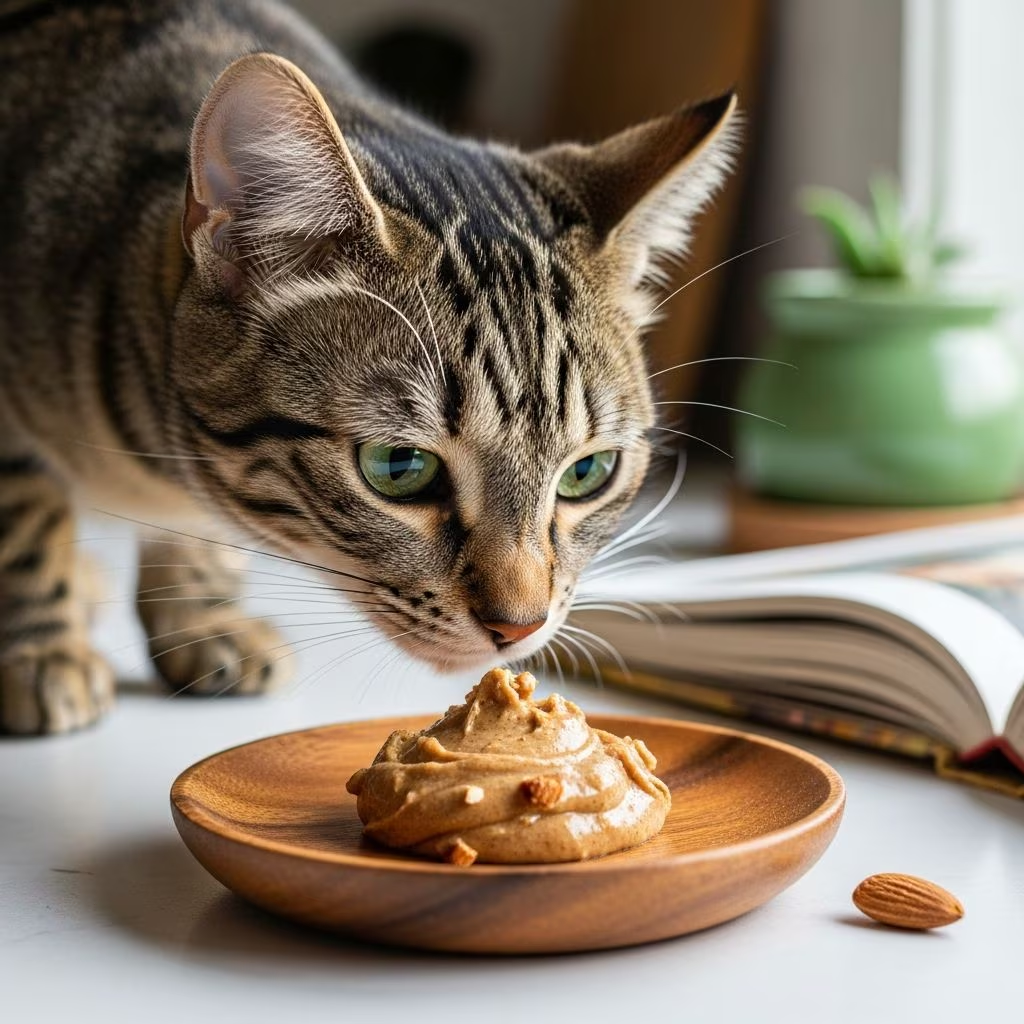
As cat owners, we often wonder if our favorite human snacks are safe to share with our feline companions. Almond butter, a popular spread packed with nuts and sometimes sweeteners, might seem like a healthy treat. But can cats eat almond butter? The short answer is: in very small amounts, yes, but it’s not recommended due to several health risks and zero nutritional benefits for cats.
Cats are obligate carnivores, meaning their bodies are designed to thrive on meat-based proteins, not plant-derived foods like nuts. While sweet almond butter isn’t outright toxic, it poses choking hazards, digestive upset, and high fat content that can lead to pancreatitis. This comprehensive guide breaks down everything you need to know, from ingredients to safer alternatives.
Quick Answer: Is Almond Butter Safe for Cats?
No, almond butter is not a safe or beneficial food for cats. Although made from non-toxic sweet almonds, it offers no nutritional value and carries risks like choking, gastrointestinal blockages, and obesity from its high fat and calorie content. Veterinary experts advise sticking to cat-specific treats and foods to meet your pet’s unique dietary needs.
- Occasional tiny lick: Might not cause immediate harm in healthy adult cats.
- Regular feeding: Can lead to vomiting, diarrhea, weight gain, or pancreatitis.
- Vulnerable cats: Kittens, seniors, or those with health issues should avoid it entirely.
A Quick Look at Almond Butter
Almond butter is a smooth paste made by grinding roasted sweet almonds, often with added salt, sugar, or oils for flavor and texture. It’s a staple in human diets for its healthy fats, vitamin E, and magnesium, but cats can’t process these nutrients effectively. Common varieties include:
- Plain/un sweetened: Just almonds—least risky but still problematic.
- Flavored: With honey, chocolate, or spices—potentially toxic (e.g., xylitol or theobromine).
- Salted: High sodium can cause salt poisoning in cats.
One tablespoon packs about 98 calories and 9 grams of fat—far too much for a cat’s small daily intake of around 200-300 calories.
Are Almonds Safe for Cats?
To understand almond butter, start with its base: almonds. There are two types—sweet and bitter.
- Sweet almonds: Common in stores, non-toxic but not ideal. Cats can technically eat a few, but their hard shape poses choking risks, and whole nuts may cause intestinal blockages requiring surgery.
- Bitter almonds: Contain cyanide precursors—highly toxic, even in small amounts. Can cause seizures, coma, or death. Keep all almonds away to avoid accidental exposure.
Almonds also risk aflatoxin mold, leading to liver damage. Cats’ short digestive tracts struggle with nuts, often resulting in upset stomach or diarrhea.
Health Risks of Almond Butter for Cats
While a tiny dab might not harm, almond butter’s risks outweigh any appeal. Here’s why vets say no:
1. Choking Hazard
The thick, sticky texture clings to mouths and throats. Cats may try to swallow large globs, leading to choking. Whole almonds in chunky butter exacerbate this.
2. High Fat Content and Pancreatitis
Almond butter is 50-60% fat. Cats fed fatty foods risk pancreatitis—inflammation of the pancreas causing severe pain, vomiting, and lethargy. Even one indulgent lick can trigger it in sensitive cats.
3. Digestive Upset
As obligate carnivores, cats lack enzymes to break down nuts. Symptoms include vomiting, diarrhea, gas, and abdominal pain. Some develop allergies, worsening with repeated exposure.
4. Obesity and Related Issues
Calorie-dense with no satiety for cats, it contributes to weight gain, diabetes, and joint problems.
5. Toxic Additives
Many brands add xylitol (toxic, causes hypoglycemia), chocolate, or excessive salt— all dangerous.
| Risk Factor | Why Dangerous for Cats | Symptoms |
|---|---|---|
| Choking | Sticky texture, hard pieces | Gagging, distress, airway blockage |
| High Fat | Triggers pancreatitis | Vomiting, lethargy, fever |
| Digestion | Poor nut breakdown | Diarrhea, bloating |
| Additives | Xylitol, salt, sugar | Seizures, thirst, hyperactivity |
Nutritional Value of Almond Butter for Cats
Zero meaningful benefits. Cats derive energy from taurine-rich meats, not plant fats. Almond butter’s nutrients (e.g., vitamin E) aren’t bioavailable to felines and may interfere with meat nutrient absorption. A balanced commercial cat food provides all essentials without risks.
What About Almond Milk? Can Cats Drink It?
Almond milk, made from blended almonds and water, is safer than butter but still not ideal.
- Pros: Lactose-free, good for intolerant kittens as a cow milk alternative.
- Cons: Added sugars, thickeners (xanthan gum), or flavors can upset stomachs. No nutrition for cats.
Offer 1 tsp occasionally; monitor for diarrhea. Better: commercial kitten milk replacers.
How Much Almond Butter Can Cats Have? (If Any)
Vets recommend none. If insisting, limit to a pea-sized amount once, plain variety only. Never regular. Consult your vet first, especially for health-compromised cats.
What Should I Do If My Cat Ate Almond Butter?
Don’t panic for small amounts, but watch closely:
- Monitor 24-48 hours: For vomiting, diarrhea, lethargy, drooling, or pain.
- Choking signs: Pawing mouth, blue gums—seek emergency care.
- When to call vet: Large quantity, symptoms appear, or pre-existing conditions.
- Treatment: May involve fluids, anti-nausea meds, or monitoring.
Prevent access by storing securely.
Healthier Alternatives: Safe Treats for Cats
Opt for cat-approved options comprising <10% of diet:
- Commercial treats: Freeze-dried meat, dental chews.
- Human foods: Cooked chicken, fish (no bones), small cheese bits.
- Fruits/veggies: Pumpkin (digestion), blueberries (antioxidants)—tiny portions.
Aim for high-protein, low-carb treats matching their carnivorous needs.
Conclusion
Almond butter might tempt your cat’s curiosity, but it’s not worth the risks. Skip it entirely for their health—focus on meat-based nutrition. When in doubt, consult your veterinarian for personalized advice. Your furry friend will thank you with purrs and playfulness!
Frequently Asked Questions
Q: Can cats eat a little bit of almond butter?
A: A tiny lick of plain almond butter is unlikely to harm most cats, but it’s not recommended due to fat content and choking risks. Avoid regular feeding.
Q: Is almond butter toxic to cats?
A: No, sweet almond butter isn’t toxic, but bitter almonds are. Risks stem from physical and digestive issues, not poison.
Q: What happens if a cat eats almond butter?
A: Possible vomiting, diarrhea, pancreatitis. Monitor and contact vet if symptoms arise.
Q: Can kittens have almond butter?
A: Absolutely not—too risky for developing digestive systems.
Q: Are there cat-safe nut butters?
A: No nut butters are ideal. Stick to meat-based treats.
Q: Why do cats like almond butter?
A: Fatty texture mimics meat appeal, but it’s not nutritious for them.
References
- Can Cats Eat Almonds? Vet-Approved Facts & FAQ — Catster. 2023. https://www.catster.com/nutrition/can-cats-eat-almonds/
- Can Cats Eat Almond Butter Without Supervision? — Spot Pet Insurance. 2023. https://spotpet.com/blog/cat-tips/can-cats-eat-almond-butter
- Pet Nutrition Guidelines for Cats — American Veterinary Medical Association (AVMA). 2024-10-15. https://www.avma.org/resources-tools/pet-owners/petcare/nutrition-cats
- Feline Pancreatitis: Causes and Management — Merck Veterinary Manual. 2025-01-01. https://www.merckvetmanual.com/cat-owners/disorders-affecting-multiple-body-systems-of-cats/pancreatitis-in-cats
- Obligate Carnivore Diet in Domestic Cats — Journal of Feline Medicine and Surgery (Sage Journals). 2023-05-12. https://journals.sagepub.com/doi/full/10.1177/1098612X231166900



