

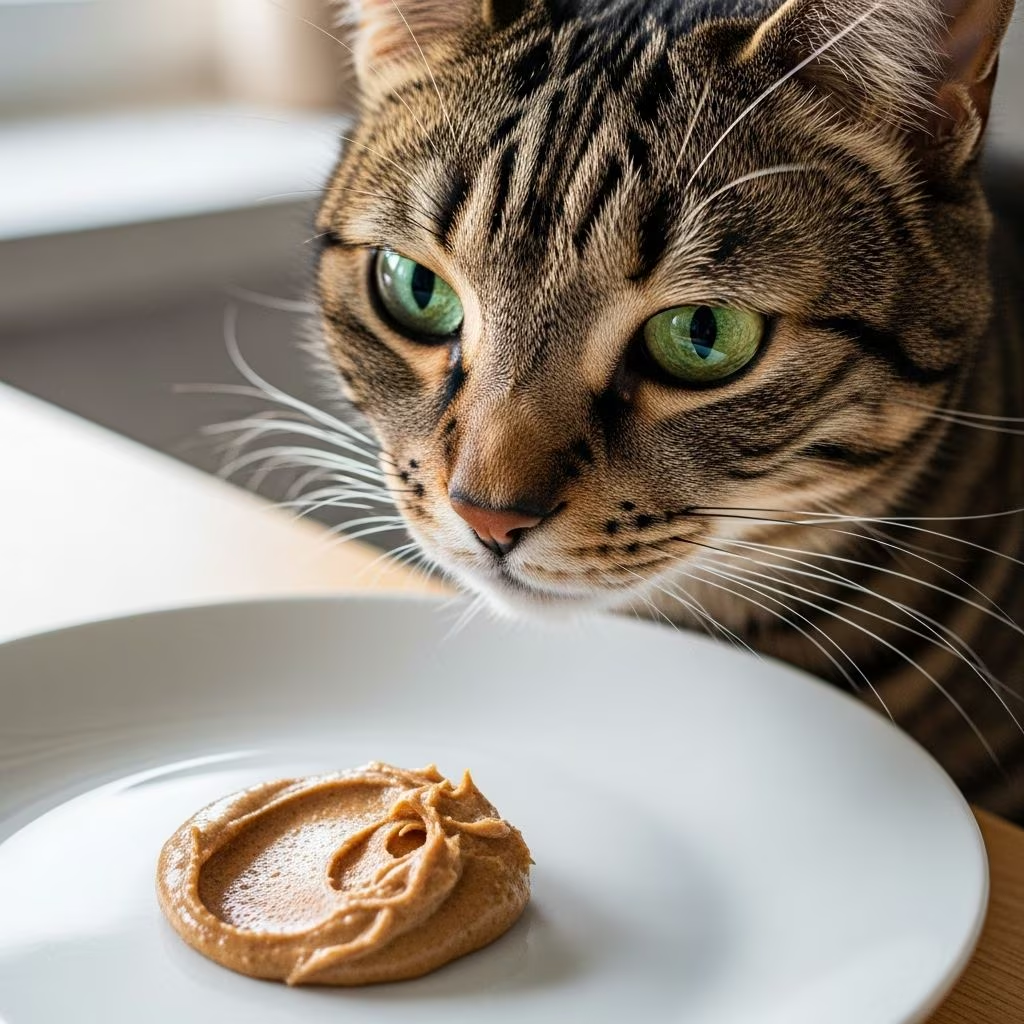
Almond butter is a popular human snack made from ground almonds, often with added oils, salt, or sweeteners, but it’s not recommended for cats. While not toxic, its high fat content, potential harmful additives, and lack of essential feline nutrients make it an unsuitable treat. Cats are obligate carnivores requiring meat-based proteins, and almond butter offers little nutritional value for them.
What Is Almond Butter?
Almond butter is created by grinding almonds into a smooth paste, similar to peanut butter but with a nuttier flavor. Commercial varieties may include added salt, sugar, oils like palm or canola, or even artificial sweeteners to enhance taste and texture. For cats, these additions pose significant risks, as their digestive systems are adapted for animal proteins, not plant-based spreads.
Plain, unsalted almond butter without xylitol or excessive fats might seem harmless in tiny amounts, but even then, it’s not ideal. Understanding its composition helps pet owners make informed choices about sharing human foods with their feline companions.
Is Almond Butter Safe for Cats?
Almond butter is not inherently toxic to cats like chocolate or grapes, but it’s not safe as a regular treat. Cats lack the enzymes to efficiently digest high-fat plant foods, leading to potential digestive upset. Occasional, minuscule amounts—less than a fingertip smear—may not cause immediate harm in healthy cats, but regular feeding can lead to serious issues.
- High fat content: Can cause vomiting, diarrhea, and pancreatitis.
- Added salt: Risks sodium ion poisoning with symptoms like thirst and seizures.
- Sweeteners like xylitol: Extremely toxic, causing hypoglycemia and liver failure.
- Allergies: Some cats react with itching, swelling, or gastrointestinal distress.
Always read labels and consult a vet before offering any nut butter. Safer to err on the side of caution and stick to cat-specific treats.
Potential Health Risks of Almond Butter for Cats
Feeding almond butter introduces several health hazards due to its composition mismatched to feline biology. As obligate carnivores, cats thrive on taurine-rich meats, not nut pastes high in plant fats and fibers.
| Risk | Symptoms | Severity |
|---|---|---|
| High Fat Content | Vomiting, diarrhea, dehydration, obesity, pancreatitis | High – can be life-threatening if chronic |
| Salt Overload | Excessive thirst, urination, tremors, seizures | Moderate to High |
| Xylitol (if present) | Hypoglycemia, liver failure, collapse | Very High – potentially fatal |
| Nut Allergies | Itching, hives, swelling, digestive upset | Variable |
| Choking Hazard | Sticky texture clogs throat or intestines | Moderate |
Pancreatitis from excess fats inflames the pancreas, causing severe pain and requiring veterinary intervention. Obese cats face diabetes and joint issues. Even small amounts accumulate calories without benefits, exacerbating weight problems in indoor cats.
Benefits and Nutritional Value of Almond Butter for Cats
While almond butter provides vitamin E, magnesium, and healthy fats for humans, these offer minimal value to cats. Feline diets must prioritize animal-sourced nutrients like taurine, absent in nuts.
- Protein: Plant-based, incomplete for cats needing animal amino acids.
- Fats: Excessive; cats get better sources from meat.
- Vitamin E: Supports skin/coat but redundant in balanced cat food.
- Fiber: Unnecessary and potentially laxative for cats.
Any ‘benefits’ like flavor appeal are outweighed by risks. A teaspoon packs 100+ calories—equivalent to a full meal for a small cat—promoting obesity without fulfilling nutritional needs. High-quality commercial cat food or vet-recommended supplements are far superior.
Can Cats Eat Flavored or Sweetened Almond Butter?
No, avoid all flavored or sweetened varieties. Additives like honey, chocolate, or xylitol are dangerous. Xylitol, common in some ‘no-sugar’ nut butters, triggers insulin surges leading to deadly low blood sugar in cats. Salted versions risk electrolyte imbalances. Opt for pure, organic almond butter if offering at all, but plain meat treats are safer.
How Much Almond Butter Can I Give My Cat?
Limit to a tiny smear (pea-sized) once a month maximum, if your vet approves. Monitor for reactions. Most experts advise against it entirely due to risks versus negligible rewards. Treats should comprise no more than 10% of daily calories, prioritizing feline-formulated options.
What Should I Do If My Cat Eats Almond Butter?
Observe for symptoms like vomiting, lethargy, or unusual thirst. A small accidental lick is usually harmless, but larger amounts warrant a vet call. Induce vomiting only under professional guidance. For xylitol exposure, seek emergency care immediately—symptoms appear within 30 minutes.
- Remove access to more butter.
- Offer water to prevent dehydration.
- Contact vet or poison hotline (e.g., ASPCA at 888-426-4435).
- Note amount ingested and ingredients.
Are There Any Cats That Should Never Eat Almond Butter?
Yes, vulnerable cats include:
- Kittens – developing systems can’t handle fats.
- Senior cats – prone to pancreatitis, obesity.
- Cats with pancreatitis, diabetes, GI issues, or liver disease.
- Overweight or allergy-prone felines.
Pregnant or nursing queens need precise nutrition—avoid human foods.
Best Alternatives to Almond Butter for Cats
Choose species-appropriate treats for health and enjoyment:
- Cooked plain meats: Chicken, turkey, fish (no seasoning).
- Commercial cat treats: Low-calorie, taurine-enriched.
- Freeze-dried meat: Pure protein snacks.
- Plain canned pumpkin: Fiber for digestion (1 tsp max).
- Catnip or silver vine: For fun without calories.
These provide nutrition cats crave without risks.
Can Cats Drink Almond Milk?
Unsweetened, plain almond milk is lactose-free and safer than dairy, but still not recommended regularly. It lacks feline nutrients and may cause mild upset. Start with drops; better options exist like water or tuna juice (in moderation).
Tips for Introducing New Foods to Cats
Gradual introduction prevents issues:
- Mix tiny amounts with regular food.
- Monitor 24-48 hours for reactions.
- Stick to 10% treat rule.
- Consult vet for dietary changes.
Frequently Asked Questions (FAQs)
Is almond butter toxic to cats?
No, plain almond butter isn’t toxic, but additives like xylitol are. High fat can cause illness.
Can almond butter cause allergies in cats?
Yes, nut sensitivities cause itching, swelling, or upset. Watch closely.
How much almond butter is safe for cats?
A pea-sized amount rarely, if vet-approved; best avoided.
What are better treats than almond butter?
Meats, commercial treats, pumpkin.
Should I consult a vet before giving almond butter?
Always, especially for health-compromised cats.
Conclusion
Almond butter isn’t cat-friendly despite not being outright poisonous. Risks from fats, additives, and poor nutrition outweigh any minor perks. Prioritize vet-recommended, meat-based treats for a thriving feline. Keep human foods for yourself and your cat happy with tailored nutrition.
References
- People Foods to Avoid Feeding Your Pets — ASPCA. 2023-10-15. https://www.aspca.org/pet-care/aspca-poison-control/people-foods-avoid-feeding-your-pets
- Can Cats Eat Peanut Butter? — PetMD. 2024-05-20. https://www.petmd.com/cat/nutrition/can-cats-eat-peanut-butter
- Can Cats Eat Almond Butter? Safety & Risks Explained — Zoorithm. 2024-08-12. https://www.zoorithm.com/cats/can-cat-eat-almond-butter
- Can Cats Eat Almond Butter? Vet-Reviewed Facts & FAQ — Hepper. 2024-11-03. https://articles.hepper.com/can-cats-eat-almond-butter/



