

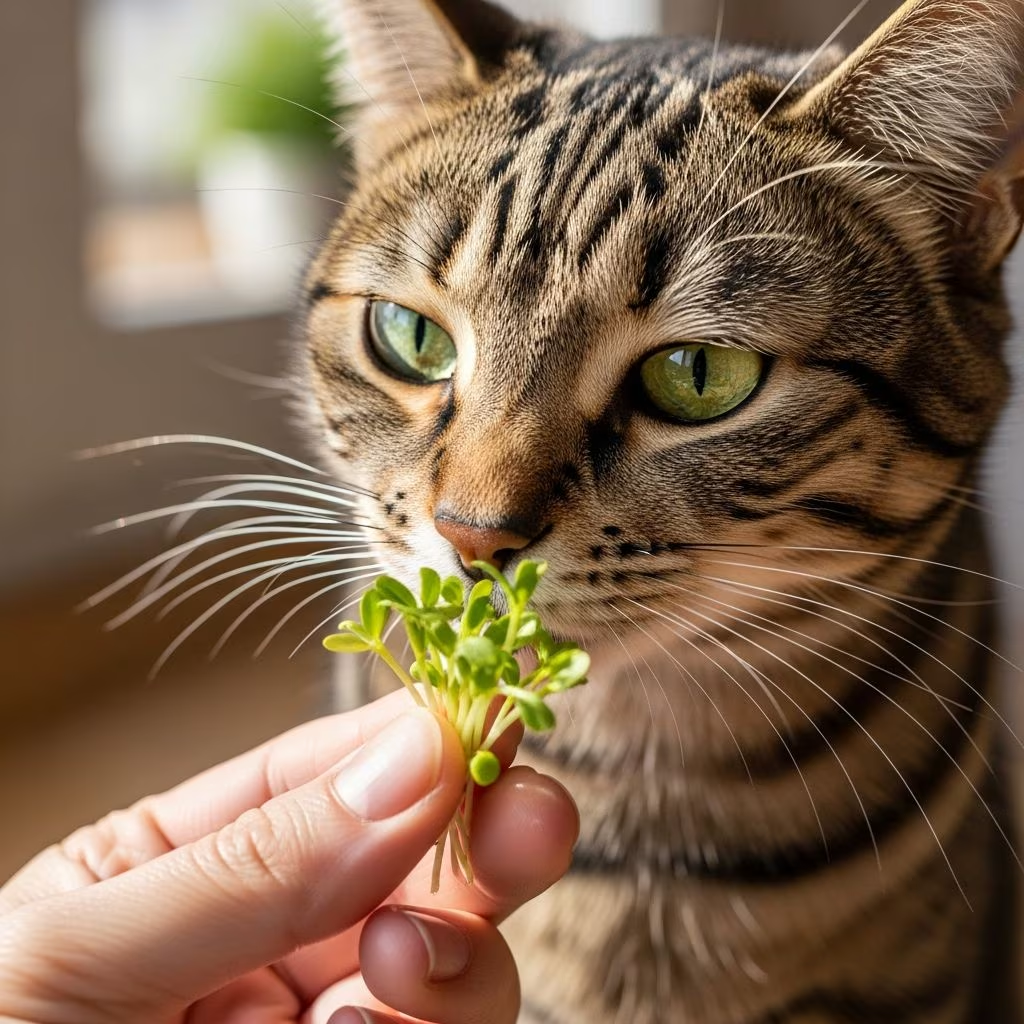
Alfalfa sprouts are a popular superfood for humans, packed with vitamins and fiber, but can cats safely enjoy them too? As obligate carnivores, cats have specific dietary needs primarily met by meat, yet many pet owners wonder if occasional plant-based treats like alfalfa sprouts can benefit their feline companions. This article provides a vet-reviewed breakdown of safety, nutritional value, risks, and practical tips for introducing alfalfa sprouts to your cat’s diet.
What Are Alfalfa Sprouts?
Alfalfa sprouts are the young, tender shoots of the alfalfa plant (Medicago sativa), a legume native to warmer temperate climates. These crunchy, mildly nutty greens emerge from seeds soaked in water and grown in moist conditions for 3–7 days until they reach 1.5–2 inches tall with green tips. Humans prize them for their high content of vitamins A, C, K, amino acids, proteins, minerals like calcium and magnesium, antioxidants, and dietary fiber, often adding them to salads, sandwiches, or smoothies.
For cats, alfalfa sprouts represent a non-traditional treat. While not essential to a feline diet, they mimic the grasses cats sometimes nibble on in nature or from cat grass kits. Unlike true grasses, alfalfa is a legume, but its sprout form offers similar appeal for curious cats seeking fiber or variety.
Are Alfalfa Sprouts Safe for Cats?
Yes, alfalfa sprouts are generally safe for cats in small amounts and are non-toxic. A few sprouts won’t harm your cat and may even provide minor nutritional perks if they enjoy the taste. Veterinary sources confirm that small nibbles are fine, as alfalfa is occasionally included in commercial cat foods for added fiber and nutrients.
However, safety hinges on proper preparation. Raw sprouts can harbor harmful bacteria like E. coli or Salmonella, posing risks to both cats and humans. Always rinse thoroughly under running water, ideally with a vinegar solution (1 part vinegar to 3 parts water), and pat dry before offering. Home-grown sprouts reduce contamination risks compared to store-bought ones.
Nutritional Benefits of Alfalfa Sprouts for Cats
Though cats don’t require vegetables, alfalfa sprouts offer complementary nutrients that can support health when fed sparingly:
- Vitamins: A for vision and immune function, C as an antioxidant, K for blood clotting and bone health.
- Fiber: Aids digestion, helps prevent constipation, and assists in expelling hairballs—a common feline issue.
- Minerals: Calcium and magnesium for bone and muscle support; plant-based proteins and amino acids.
- Antioxidants: Combat oxidative stress, potentially benefiting overall vitality.
These perks are most relevant for adult cats on balanced commercial diets. Fiber from sprouts can act like cat grass, promoting gut motility without replacing taurine-rich meat proteins essential for cats.
Potential Risks and Downsides
Moderation is key, as overfeeding alfalfa sprouts can disrupt a cat’s carnivorous balance. Key risks include:
- Bacterial Contamination: Raw sprouts’ moist growing environment fosters pathogens; improper washing heightens infection risk.
- Digestive Upset: Excess fiber may cause diarrhea, vomiting, or gas, especially in sensitive cats or kittens.
- Allergies: Rare, but watch for itching, swelling, or lethargy.
- Nutritional Imbalance: Treats should not exceed 10% of daily calories; too much plant matter dilutes protein intake.
- Canavanine Content: Alfalfa contains this amino acid analog, which in large quantities might affect immune function, though sprouts have lower levels than mature plants.
Kittens, seniors, or cats with health issues (e.g., IBD, kidney disease) should avoid sprouts—consult a vet first.
Should Cats Eat Vegetables Like Alfalfa Sprouts?
Cats are obligate carnivores, evolved to thrive on animal proteins providing taurine, arachidonic acid, and other nutrients they can’t synthesize from plants. Unlike dogs (facultative carnivores), cats can’t convert plant precursors efficiently, so vegetables aren’t necessary.
That said, many cats enjoy safe veggies like pumpkin (for hairballs), carrots, peas, or spinach in moderation. Alfalfa sprouts fit this category—not toxic like onions or garlic sprouts, and safer than hard-to-digest bean sprouts. They’re akin to wheatgrass or oat grass in cat grass kits, offering fiber without harm.
| Vegetable/Plant | Safe for Cats? | Notes |
|---|---|---|
| Alfalfa Sprouts | Yes, small amounts | Fiber, vitamins; wash well. |
| Cat Grass (Oat/Wheat) | Yes | Digestion aid. |
| Bean Sprouts | No | Hard to digest. |
| Onion/Garlic Sprouts | Toxic | Causes anemia. |
| Pumpkin | Yes | Hairball relief. |
How to Safely Feed Alfalfa Sprouts to Your Cat
Introduce gradually to monitor tolerance:
- Prepare: Wash thoroughly; chop into tiny pieces (fingernail-sized).
- Portion: Start with 1–2 sprouts daily; limit to 5–10% of diet.
- Serve: Offer plain, mix into wet food, or sprinkle on kibble. Avoid seasonings.
- Observe: Watch for 24–48 hours for vomiting, diarrhea, or refusal.
- Frequency: 2–3 times weekly max as a treat.
Not all cats like the taste—some ignore them entirely. If rejected, try cat grass instead.
How to Grow Alfalfa Sprouts at Home for Your Cat
Growing your own ensures freshness and minimizes bacteria:
- Supplies: Alfalfa seeds (organic, untreated), sprouting jar/tray, soil (optional).
- Steps:
- Soak 1–2 tbsp seeds in water 8–12 hours.
- Rinse/drain twice daily; keep in indirect light.
- Harvest at 1.5–2 inches (3–5 days).
- Rinse before feeding.
Sprout kits simplify the process, yielding edible greens quickly. Your cat gets safe nibbles, and you enjoy extras!
When to Consult a Vet About Alfalfa Sprouts
Seek professional advice if:
- Your cat eats a large amount and shows distress (vomiting, diarrhea, lethargy).
- Allergic signs appear (swelling, itching, breathing issues).
- Pre-existing conditions exist (e.g., digestive disorders).
- Kitten or senior cat involved.
Vets can recommend portion sizes or alternatives tailored to your cat’s needs.
Frequently Asked Questions (FAQs)
Are alfalfa sprouts toxic to cats?
No, they are non-toxic and safe in moderation when properly washed.
Can kittens eat alfalfa sprouts?
Avoid for kittens due to sensitive digestion; stick to kitten formula.
How much alfalfa sprout can I give my cat?
A small fingernail-sized piece occasionally; observe reaction.
What if my cat has an allergic reaction?
Contact vet immediately for symptoms like swelling or vomiting.
Are home-grown sprouts safer?
Yes, lower bacteria risk than store-bought.
Can alfalfa sprouts replace cat food?
No, they complement but don’t meet carnivore needs.
References
- Can Cats Eat Alfalfa Sprouts? Vet-Reviewed Info & Considerations — Hepper. 2024. https://articles.hepper.com/can-cats-eat-alfalfa-sprouts/
- Can Cats Eat Alfalfa Sprouts? A Complete Guide — Dial A Vet. 2024. https://www.dialavet.com/blog/can-cats-eat-alfalfa-sprouts
- Can Cats Eat Sprouts? Yeah or Nah — YouTube (Pet Expert Channel). 2023. https://www.youtube.com/watch?v=AfVoeJN4W6c
- Best Grass for Cats – Nutrition Guide — KittyLawn. 2024. https://kittylawn.com/blogs/news/selecting-the-ideal-grass-species-for-optimal-feline-nutrition



