

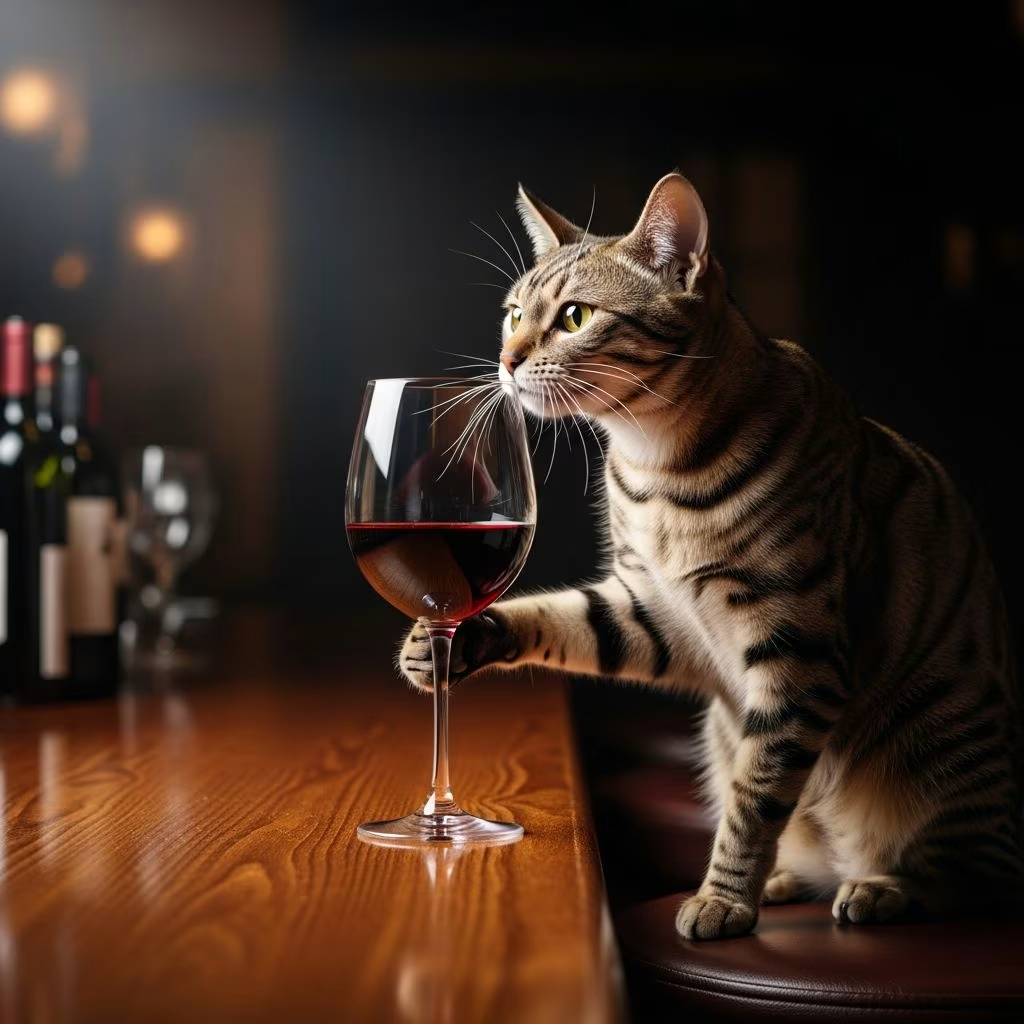
Many cat owners enjoy a relaxing glass of wine after a long day, often sharing the couch with their feline companions. But if your cat sneaks a sip from your glass, it can lead to serious health risks. Alcohol, including the ethanol in wine, is highly toxic to cats due to their small size and inability to metabolize it efficiently. Even tiny amounts can cause alcohol poisoning, with symptoms appearing within 15–30 minutes.
Cats and Alcohol
Cats are particularly vulnerable to alcohol toxicity because their livers lack the enzymes needed to break down ethanol effectively. This leads to rapid accumulation in their system, affecting the brain, heart, and other organs. A small lick from a wine glass—containing 5.5% to 25% alcohol by volume—can trigger disorientation, weakness, and potentially fatal complications.
Initial effects mimic mild intoxication in humans but escalate quickly in cats: they may appear sleepy, stumble, vomit, or drink excessively. Without prompt intervention, this progresses to hypothermia, low blood sugar (hypoglycemia), slowed breathing, tremors, seizures, coma, or death. Kittens and small cats face even higher risks due to their body weight.
Can Cats Drink Wine?
No, cats cannot safely drink wine. If you witness your cat lapping at your wine glass, contact a veterinarian immediately—do not wait for symptoms to worsen. The alcohol content varies widely: light wines pose risks, but fortified or high-alcohol varieties (up to 25% ABV) are especially dangerous. Even “buzzed” behavior signals a medical emergency, as cats cannot process alcohol like humans.
Severe alcohol toxicity manifests as:
- Obtunded mentation (unresponsiveness to surroundings)
- Seizures and muscle tremors
- Fainting or collapse
- Slow, labored breathing
- Paralysis
- Coma or death
These symptoms can onset rapidly, emphasizing the need for urgent veterinary care.
What Happens When Cats Drink Wine?
The outcome depends on the ingested amount, wine strength, and your cat’s size, but felines are hypersensitive. Ethanol depresses the central nervous system, disrupts electrolytes, and causes dehydration. Vets assess the situation and may induce vomiting (if recent), administer activated charcoal, provide IV fluids for hydration and electrolyte balance, or use medications to control seizures and support breathing.
In extreme cases, hospitalization with monitoring, blood glucose support, or mechanical ventilation may be required. Prognosis improves with early treatment; delays increase fatality risks. Always err on the side of caution and call a pet poison hotline or vet first.
What Alcohol Is Worst for Cats?
All alcohols are hazardous, but toxicity correlates with ethanol concentration and type. Cats can also absorb alcohol through skin or inhalation, and hidden sources abound. Here’s a comparison:
| Alcohol Type | Typical ABV | Risk Level for Cats | Common Sources |
|---|---|---|---|
| Light Beer | 3–5% | Low-moderate | Beer cans/bottles |
| Craft Beer | 5–12% | Moderate-high | Specialty brews |
| Wine | 5.5–25% | High | Wine glasses, spills |
| Hard Liquor | 30–50% | Very high | Spirits, cocktails |
| Grain Alcohol (e.g., Everclear) | 75–95% | Extreme | High-proof spirits |
| Methanol/Isopropanol | Varies | Deadly | Antifreeze, cleaners |
Beyond beverages, dangers lurk in mouthwash, hand sanitizers, vanilla extract, raw yeast dough (ferments ethanol internally), fermented fruits, and pet calming products. Isopropanol (rubbing alcohol) and methanol cause more severe symptoms than ethanol.
Cat-Safe Alternatives to Wine
Want to share a “toast” without risks? Opt for pet-safe “cat wines” like those from Apollo Peak, made with catnip, beet juice, and preservatives—no alcohol or grapes. These novelty drinks induce playful euphoria via catnip’s nepetalactone, mimicking mild intoxication safely. However, use sparingly: high sugar from beets may upset diabetic or sensitive stomachs, and they offer no nutritional value.
- Ingredients to seek: Catnip, silver vine, beet juice, water.
- Benefits: Hydration boost, enrichment, bonding time.
- Cautions: Consult vet for cats with health issues; limit to occasional treats.
Other safe options include plain water flavored with tuna juice or chicken broth (low-sodium). Always supervise and store securely.
How to Prevent Alcohol Poisoning in Cats
Prevention is key: keep all alcohols inaccessible. Secure glasses, bottles, and cocktails out of reach—cats are agile climbers. Store cleaners, sanitizers, and extracts in locked cabinets. Discard raw dough promptly and avoid alcohol-based flea treatments unless vet-approved.
- Never leave drinks unattended.
- Use pet gates or elevated surfaces.
- Educate household members on risks.
- Monitor for sneaky licks during parties.
If poisoning is suspected, note the substance, amount, and time ingested before rushing to the vet.
Frequently Asked Questions (FAQs)
Is any amount of wine safe for cats?
No, even a tiny sip can cause toxicity due to cats’ sensitivity. Contact a vet immediately.
What are the first signs of alcohol poisoning in cats?
Weakness, disorientation, staggering, vomiting, and increased thirst/urination within 15–30 minutes.
Can cats get drunk like humans?
Effects appear similar initially but progress to life-threatening issues rapidly—no safe “buzz.”
Is cat wine real wine for cats?
No, it’s alcohol-free catnip juice—a safe novelty treat, not a daily drink.
What should I do if my cat drinks alcohol?
Call your vet or pet poison hotline (e.g., ASPCA at 888-426-4435) right away; do not induce vomiting without guidance.
Long-Term Effects of Alcohol Exposure
Even if your cat survives acute poisoning, repeated or chronic exposure risks liver damage, neurological deficits, kidney strain, and behavioral changes. Prevention avoids these irreversible harms entirely.
In summary, wine and alcohol have no place in a cat’s world. Vigilance ensures your furry friend stays safe, allowing guilt-free relaxation for you both.
References
- Can Cats Drink Wine? Vet-Verified Safety Information — Catster. 2023-10-15. https://www.catster.com/cat-health-care/can-cats-drink-wine/
- Alcohol Poisoning in Cats – Causes, Treatment and Prevention — Vetster. 2024-05-20. https://vetster.com/en/conditions/cat/alcohol-poisoning
- Is Cat Wine Safe? — Town Cats. 2023-08-12. https://www.towncats.org/is-cat-wine-safe/
- Cats and Alcohol — Pet Poison Helpline. 2024-02-10. https://www.petpoisonhelpline.com/pet-tips/cats-and-alcohol/
- Alcohol Poisoning — VCA Animal Hospitals. 2023-11-05. https://vcahospitals.com/know-your-pet/alcohol-poisoning



