

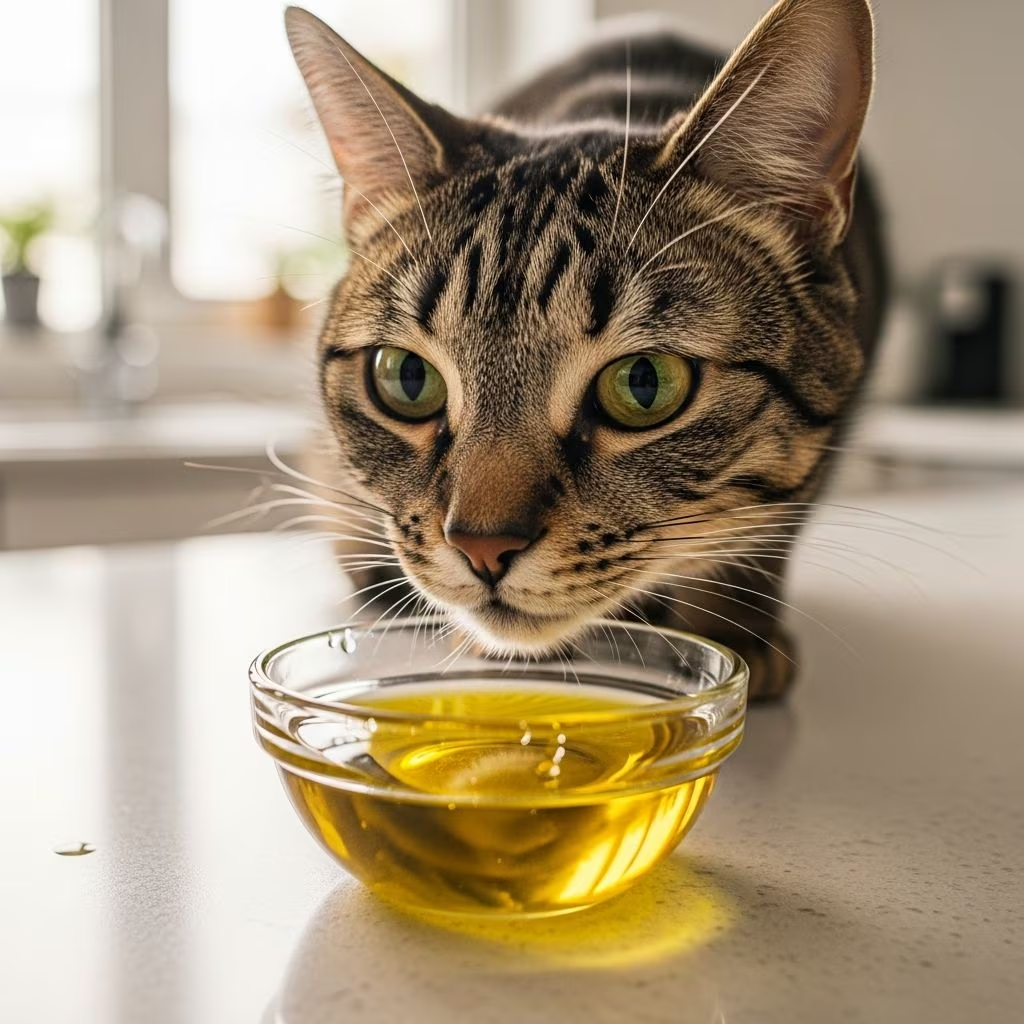
Vegetable oil is a staple in many kitchens, but cat owners often wonder if it’s safe for their feline friends to consume. While cats are obligate carnivores requiring primarily meat-based diets, small amounts of vegetable oil can be incorporated safely under certain conditions. This article examines the safety, benefits, appropriate dosages, potential risks, and veterinary guidance on feeding vegetable oil to cats.
Can Cats Have Vegetable Oil?
Yes, cats can have vegetable oil in small quantities. It is sometimes included as an ingredient in commercial cat foods to provide essential fats. However, since cats derive most nutrients from animal sources, vegetable oil should not be a dietary staple. Exposure often occurs accidentally in kitchens, but intentional use requires caution to avoid digestive upset.
Cats lack the enzymes to efficiently process large amounts of plant-based oils, unlike dogs. Vegetable oils like canola or soybean oil offer fats that complement a balanced diet but are calorie-dense, necessitating moderation. Veterinary sources confirm that while not toxic in tiny doses, overconsumption leads to issues due to high fat content overwhelming the feline digestive system.
Is Vegetable Oil Good for Cats?
Vegetable oil provides some benefits when fed sparingly. It contains omega-3 and omega-6 fatty acids, which support skin health, coat shine, joint function, heart health, brain development, and eye function. These fatty acids also aid immune system support and vitamin absorption, making vegetable oil a potential supplement for cats with dry skin or dull fur.
- Skin and Coat: Omega fatty acids lubricate the skin and promote a glossy coat by reducing inflammation.
- Digestive Aid: Small amounts can act as a mild laxative for constipation, easing stool passage without harsh chemicals.
- Caloric Boost: Useful for underweight cats or those recovering from illness needing extra energy.
- Antioxidant Support: Certain vegetable oils contain vitamin E, protecting cells from damage.
Despite these upsides, vegetable oil is not superior to fish oils like salmon oil, which better match cats’ carnivorous needs with more bioavailable omegas. Always prioritize complete cat foods formulated by AAFCO standards over home supplements.
How Much Vegetable Oil Can Cats Have?
There is no universal “safe dose” as it varies by cat size, age, health, and diet. Start with minuscule amounts—¼ teaspoon (1.25 mL) or less for an average 10-pound cat—and monitor response. Veterinary nutritionists recommend not exceeding 1 teaspoon (5 mL) daily, divided across meals to prevent overload.
| Cat Weight | Starting Dose | Max Daily Dose | Frequency |
|---|---|---|---|
| Under 5 lbs | 1/8 tsp (0.6 mL) | ½ tsp (2.5 mL) | Every other day |
| 5-10 lbs | ¼ tsp (1.25 mL) | 1 tsp (5 mL) | Daily, split meals |
| Over 10 lbs | ½ tsp (2.5 mL) | 1½ tsp (7.5 mL) | Consult vet |
Introduce gradually over a week, mixing into wet food. Discontinue if diarrhea occurs. For constipation relief, a one-time ½-1 tsp dose may suffice, but consult a vet first. Cats on balanced diets rarely need supplementation.
What Happens if a Cat Gets Too Much Vegetable Oil?
Excess vegetable oil triggers rapid digestive issues due to its high fat content, which cats process poorly. Symptoms appear within hours:
- Diarrhea: Loose, oily stools from undigested fats rushing through the gut.
- Vomiting: Nausea from fat overload irritating the stomach.
- Abdominal Pain: Bloating, gas, and discomfort from slowed digestion.
- Lethargy: Fatigue from caloric imbalance and dehydration risk.
Severe cases (over 5 mL at once) may cause pancreatitis, liver strain, or obesity over time from excess calories (1 tsp = 40 kcal). Kittens, seniors, and cats with pre-existing conditions like IBD face higher risks. Immediate vet contact is advised for symptoms lasting over 24 hours.
Vegetable Oil vs. Other Oils for Cats
Not all oils suit cats equally. Here’s a comparison:
| Oil Type | Benefits | Risks | Recommended? |
|---|---|---|---|
| Vegetable Oil | Omegas, affordable | Diarrhea, calorie-dense | Small amounts only |
| Fish Oil (Salmon) | High EPA/DHA | Mercury if poor quality | Preferred supplement |
| Olive Oil | Antioxidants | High oleic acid, GI upset | Avoid regular use |
| Coconut Oil | MCFAs for energy | Too saturated, weight gain | Limited topical use |
Fish oils outperform vegetable oils for feline nutrition due to better omega balance.
When to Use Vegetable Oil for Cats
Use sparingly for specific issues:
- Constipation: ½ tsp lubricates intestines.
- Dry Coat: Daily ¼ tsp improves shine.
- Weight Gain Needs: For thin cats, under vet supervision.
Never use for hairballs without vet advice; pumpkin is safer. Always choose cold-pressed, unrefined oils free of additives.
Veterinary Advice on Oils in Cat Diets
Vets emphasize balanced commercial foods meet fat needs. Supplements like vegetable oil are unnecessary for healthy cats but useful short-term. The ASPCA notes fats aid absorption of fat-soluble vitamins (A, D, E, K). Monitor weight and stool; annual bloodwork detects imbalances early.
Frequently Asked Questions (FAQs)
Is vegetable oil toxic to cats?
No, it’s not toxic in small amounts but can cause GI distress if overfed. Limit to under 1 tsp daily.
Can vegetable oil help with cat hairballs?
It may lubricate mildly, but better options like malt paste exist. Consult vet to avoid dependency.
What vegetable oil is best for cats?
Canola or soybean for omegas; avoid hydrogenated types. Organic, cold-pressed preferred.
My cat ate cooking oil—should I worry?
If under 1 tsp, monitor for diarrhea. More than that? Call vet immediately.
Can kittens have vegetable oil?
No, stick to kitten formula. Their systems can’t handle extra fats.
Conclusion
Vegetable oil offers limited benefits for cats when used judiciously but poses risks like diarrhea and obesity if overdone. Prioritize vet-approved diets, using oil only as a targeted supplement. Regular check-ups ensure optimal feline health.
References
- Is Vegetable Oil Bad for Cats? — Modern Vet. 2023-05-15. https://modernvet.com/is-vegetable-oil-bad-for-cats/
- Can Cats Drink Vegetable Oil? Vet-Approved Facts & FAQ — Hepper. 2024-02-20. https://articles.hepper.com/can-cats-drink-vegetable-oil/
- Should Cats Eat Olive Oil? — Olive Oil Professor. 2023-11-10. https://oliveoilprofessor.com/blog/should-cats-eat-olive-oil



