

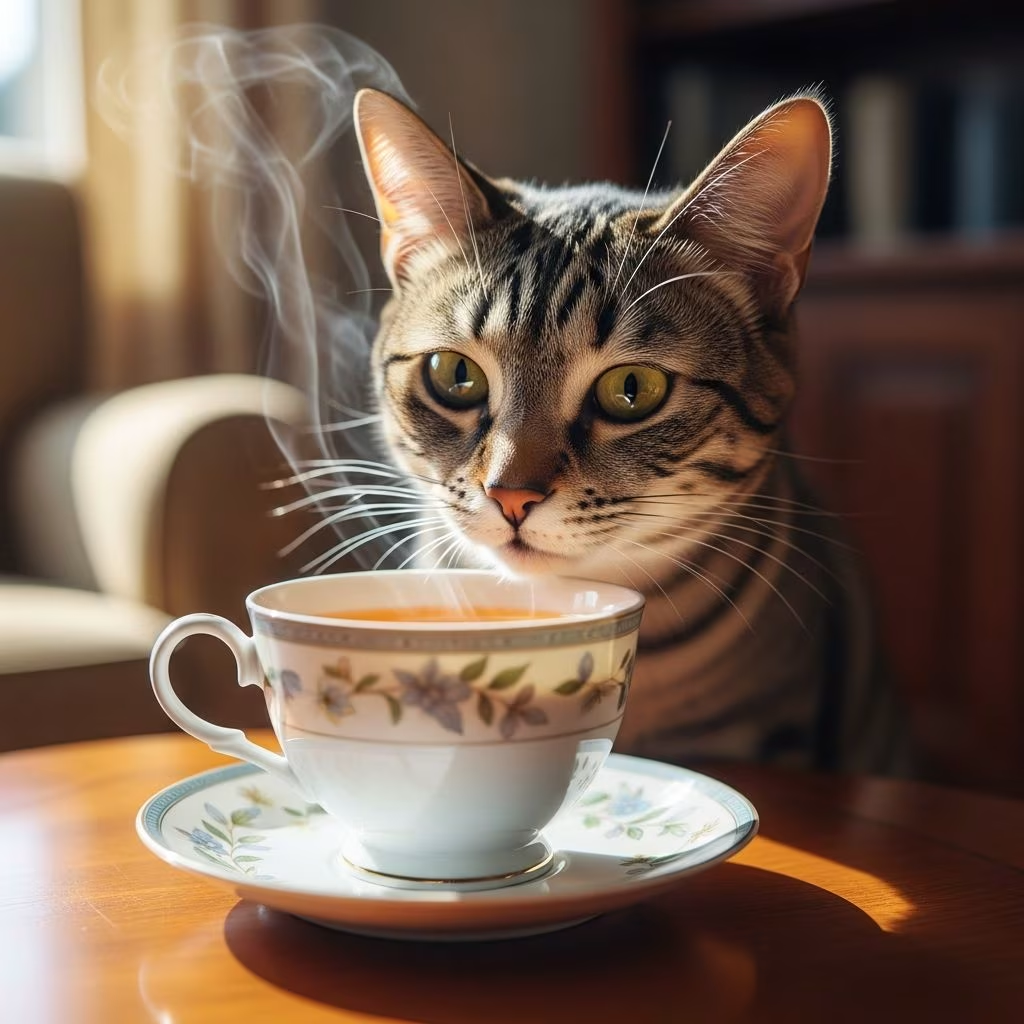
Traditional teas like black, green, and oolong are not safe for cats primarily due to high levels of **caffeine** and **tannins**, which can cause toxicity even in small amounts. While certain herbal teas may be offered sparingly under veterinary guidance, water remains the best and safest drink for felines.
Quick Answer: Can Cats Drink Tea?
Cats should not drink traditional “true” teas such as black, green, or white tea because these contain caffeine and tannins that are toxic to felines. Caffeine stimulates the nervous system, leading to symptoms like restlessness, rapid heart rate, vomiting, and in severe cases, seizures or death. An average 8-pound cat could show toxicity from about 80 milligrams of caffeine, roughly equivalent to one cup of black tea. Tannins, plant compounds in tea leaves, bind to proteins and minerals, potentially causing gastrointestinal upset and nutrient absorption issues. Even decaffeinated versions retain tannins, making them unsafe.
Herbal teas are a gray area: some, like catnip or chamomile (in very small, weak brews), may be tolerated if vet-approved and free of toxic additives, but others pose risks. Always prioritize fresh water and consult a veterinarian before introducing any tea.
Why Is Tea Bad for Cats?
Tea poses multiple risks to cats due to its chemical composition. Cats lack the enzymes to metabolize certain compounds efficiently, amplifying dangers from even minor exposures.
Caffeine Toxicity in Cats
**Caffeine** is a methylxanthine stimulant highly toxic to cats, affecting the central nervous system, heart, and metabolism. Symptoms appear 30 minutes to 12 hours post-ingestion, including hyperactivity, panting, vomiting, diarrhea, elevated heart rate, tremors, seizures, and potentially fatal arrhythmias. The Pet Poison Helpline notes that sources extend beyond beverages to coffee grounds, tea bags, guarana, mate, and cacao in foods. For context, black tea has about 50mg caffeine per cup—near the toxic threshold for small cats—while coffee is far worse.
- Decaf coffee still contains theobromine, another feline toxin.
- Energy drinks and sodas amplify risks with added sugars and stimulants.
- Prevent access to brewing areas, discarded bags, or grounds, as these concentrate toxins.
What Are Tannins?
**Tannins** are polyphenolic compounds in tea leaves responsible for bitterness and astringency. They bind proteins and minerals in the gut, hindering digestion and nutrient uptake in cats. Even low-caffeine teas like green carry tannins, irritating the stomach and causing nausea or diarrhea. Healthline describes tannins as prevalent in tea, coffee, wine, and chocolate, noting their protein-binding properties exacerbate feline sensitivities.
Black tea, America’s most popular (often in sweet tea), has the highest tannin and caffeine levels, making restaurant or bottled versions especially hazardous due to added sugars.
Can Cats Drink Coffee?
No, cats absolutely cannot drink coffee. Coffee contains higher caffeine levels than tea (about 95mg per cup) plus theobromine, doubling toxicity risks. Even a single bean or lick can induce severe symptoms. Veterinary sources unanimously warn against it, citing neurological, cardiovascular, and gastrointestinal havoc. Keep mugs, grounds, and beans secured.
Can Cats Have Green Tea?
Green tea merits nuance. While VCA Hospitals notes its anti-inflammatory benefits in vet-prescribed supplements, human-brewed green tea remains risky due to caffeine (30-50mg per cup) and tannins. Dr. Sarah Wooten states most cats tolerate minor amounts without issue, but variability exists—some react poorly. Avoid sharing cups; opt for controlled supplements if recommended.
Anecdotes, like cats enjoying vet-formulated green tea, highlight individual preferences, but science prioritizes caution over taste.
Can Cats Drink Herbal Tea?
Certain herbal teas can be safe in moderation if caffeine-free and non-toxic. However, blends often hide risks—always scrutinize ingredients.
- Catnip Tea: Safest option; induces euphoria (10-20 minutes hyperactivity then relaxation). Brew weakly for bonding.
- Chamomile: Calming for mild anxiety; dilute heavily, as excess causes vomiting.
- Valerian: Sedative effects, but strong odors may deter; vet-approved only.
- Avoid: Peppermint (GI upset), tea tree (toxic oil, not tea), or any with true tea bases.
**Preparation Tips:**
- Steep half the human time for weakness.
- Offer saucer licks, not cups.
- Monitor for upset stomach; discontinue if issues arise.
- Consult vet for breed/health specifics.
What Can Cats Drink Besides Water?
Water is ideal, but vet-approved alternatives include:
| Drink | Safety | Benefits | Notes |
|---|---|---|---|
| Tuna Water (from canned, no salt/oil) | Safe occasionally | Hydration + flavor | Not daily; mercury risk. |
| Chicken Broth (low-sodium, plain) | Safe | Encourages drinking | Warm for appeal; no onions/garlic. |
| Cat Milk (lactose-free) | Moderate | Treat-like | Small amounts; many cats lactose-intolerant. |
| Herbal Tea (vet-approved) | Occasional | Calming | Weak brew only. |
Avoid milk (lactase deficiency causes diarrhea), sodas, alcohol, and human juices. Fountains boost intake.
How Much Tea Is Toxic to Cats?
Toxicity varies by weight, health, and type. Guideline: 10-20mg caffeine/pound risks mild symptoms; 80mg total for 8lb cat is severe. Black tea (50mg/cup) nears this; coffee far exceeds. Tannins toxic at lower thresholds via chronic exposure. Call vet or poison hotline (e.g., ASPCA) immediately if ingested.
Safe Ways to Share Tea Time with Your Cat
Bond without risks:
- Provide catnip toys/tea nearby.
- Use pheromone diffusers for calm.
- Offer ice cubes of approved broth.
- Supervise; elevate drinks.
Focus on play/hydration over sharing beverages.
FAQs
Is decaffeinated tea safe for cats?
No, tannins persist, risking GI issues.
Can cats drink sweet tea?
No—caffeine, tannins, sugar triple dangers.
Is catnip tea safe daily?
Occasional; tolerance builds, reducing effects.
What if my cat drinks tea accidentally?
Monitor for symptoms; contact vet if any appear.
Are there tea-flavored cat treats?
Yes, catnip-based; check labels for safety.
References
- Can Cats Drink Tea And Other Caffeinated Beverages? — iHeartCats. 2023. https://iheartcats.com/can-cats-drink-tea-and-other-caffeinated-beverages/
- Tiller’s Cup of Tea: It’s Not Everyone’s (Just Mine) — Catster. 2023. https://www.catster.com/felines-weekly/tillers-cup-of-tea/
- What Can Cats Drink Besides Water? 3 Vet-Approved Options — Catster. 2025-07-25. https://www.catster.com/nutrition/drinks-a-cat-can-have-besides-water/
- Tea And Herbs: For You, Fine. For Your Cat, Never — Teabox Blog. 2023. https://blog.teabox.com/tea-herbs-fine-cat-never



