

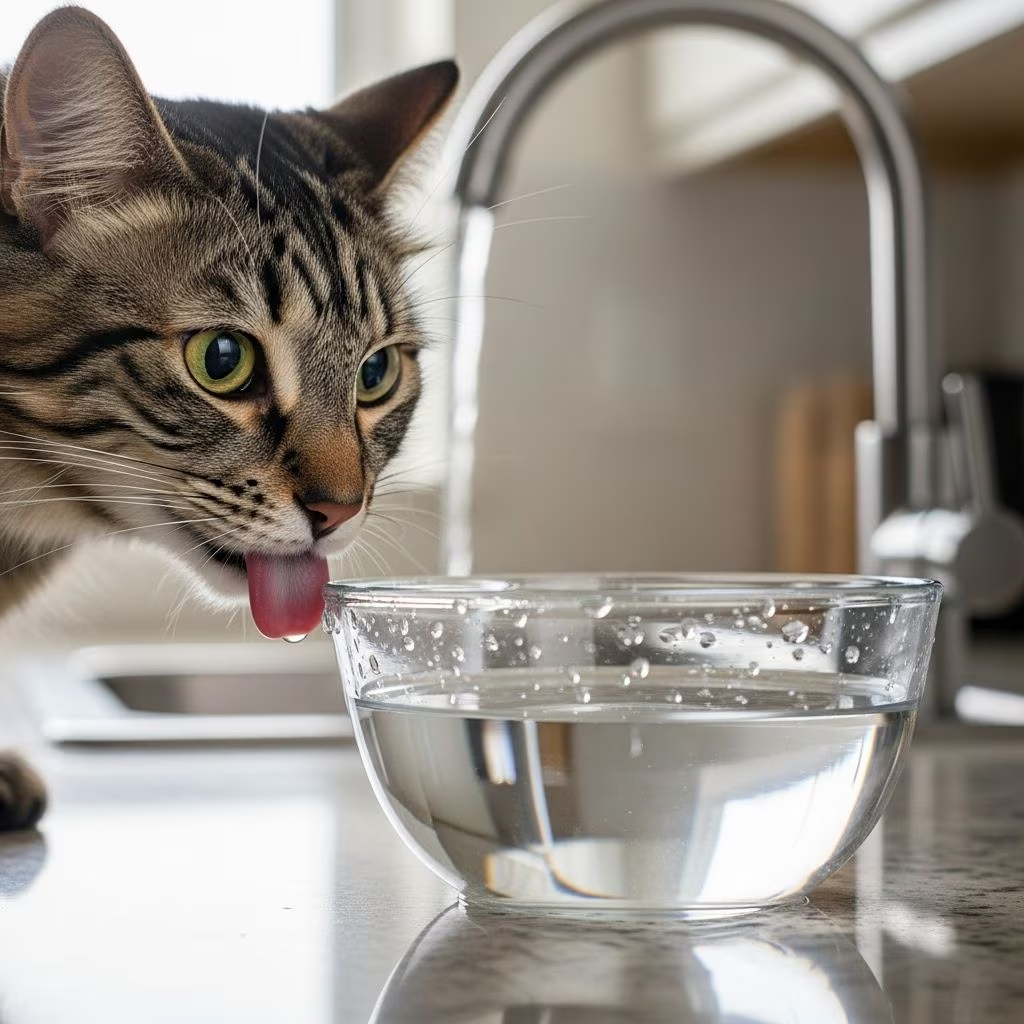
Can Cats Drink Tap Water? Understanding Your Cat’s Water Needs
One of the most fundamental aspects of cat care involves ensuring your feline companion has access to clean, fresh water. Many cat owners wonder whether tap water is safe for their pets, and the answer is more nuanced than a simple yes or no. While tap water in most municipal areas is treated to meet safety standards for human consumption, it may not be the ideal choice for your cat’s health and wellbeing.
Cats require adequate hydration to maintain optimal kidney function and overall health. Dehydration in cats can lead to serious urinary tract issues, kidney problems, and other complications. Understanding the quality of the water your cat drinks is therefore essential for responsible pet ownership.
Why Cats Are Attracted to Tap Water
Before discussing the safety concerns, it’s important to understand why many cats seem drawn to tap water. Several factors make running tap water appealing to felines:
- Running water appears fresher and cooler than stagnant water sitting in a bowl
- The flowing movement of water provides entertainment value and engages their hunting instincts
- Cats can drink without physical restraints from a bowl, offering greater freedom
- The distinct odor of chlorine used for disinfection may attract cats, as it shares similarities with pheromones found in cat urine
Many cat owners notice their pets seem more interested in drinking from the tap than from their water bowls. This preference for running water is a natural feline behavior, but it doesn’t necessarily mean tap water is the safest choice for your cat.
Potential Risks of Tap Water for Cats
While tap water undergoes treatment to make it safe for human consumption, it can potentially contain various substances that pose risks to cats. The composition and contaminant levels vary significantly based on geographical location, local safety regulations, water sources, aging infrastructure, and treatment processes.
Minerals and Hard Water
Tap water commonly contains minerals such as calcium and magnesium, which contribute to water hardness. While minerals are generally beneficial for cats in appropriate amounts, excessive mineral content can create serious health issues. High mineral concentrations in drinking water can contribute to urinary system disease, including the formation of crystals or stones in the bladder and urinary tract. This condition, known as feline lower urinary tract disease (FLUTD), can cause pain, difficulty urinating, and potentially life-threatening blockages if left untreated.
Chlorine and Chemical Disinfectants
Municipal water treatment typically involves adding chlorine and chloramine to eliminate bacteria and pathogens. While these chemicals are deemed safe for human consumption at regulated levels, they can have a more pronounced impact on cats due to their smaller body size and different metabolic processes. Cats may be more sensitive to chlorine than humans, and prolonged exposure to elevated chlorine levels can lead to accumulation in their bodies. This buildup can potentially damage your cat’s stomach lining, liver, and kidney function, creating long-term health complications.
Bacteria, Viruses, and Contaminants
Tap water can contain various bacteria, viruses, and microorganisms that generally don’t affect humans due to our larger size and stronger immune systems. However, cats are more vulnerable to these pathogens. Consistent consumption of untreated tap water can lead to gastrointestinal infections and distress, particularly in young kittens with delicate digestive systems. Symptoms may include diarrhea, vomiting, and general malaise.
Additionally, tap water may contain heavy metals such as lead, particularly in homes with older plumbing infrastructure. These metals can accumulate in your cat’s body over time, potentially causing kidney damage, digestive issues, and immune system suppression. The risk is especially pronounced in aging homes with corroded pipes that leach metals into the water supply.
PFAS and Other Emerging Contaminants
Recent concerns about PFAS (per- and polyfluoroalkyl substances) and other synthetic chemicals have emerged as important water quality issues. These persistent chemicals, linked to various health problems in both humans and animals, can be present in tap water and pose similar risks to cats as they do to people.
Factors Affecting Tap Water Safety for Your Cat
The safety of tap water for your specific cat depends on several interconnected factors:
| Factor | Impact on Cat Health | Risk Level |
|---|---|---|
| Water Hardness (Minerals) | Can cause urinary crystals and stones | Moderate to High |
| Chlorine Content | May irritate digestive system and organs | Moderate |
| Bacterial Contamination | Can cause gastrointestinal illness | Low to Moderate |
| Heavy Metal Presence | Can damage kidneys and nervous system | High in older homes |
| PFAS and Synthetic Chemicals | Potential long-term health effects | Emerging concern |
Who Is Most at Risk?
Certain cats are particularly vulnerable to contaminants in tap water. Kittens with developing immune systems, senior cats with compromised health, and cats with preexisting kidney disease or urinary tract issues should be provided with the safest possible water source. Similarly, cats with sensitive digestive systems or known sensitivities to chlorine are at higher risk of experiencing adverse effects from tap water consumption.
The Benefits of Filtered Water for Cats
Filtered water represents a safer and more consistent alternative to tap water for your feline companion. Quality filtration systems can effectively remove multiple categories of contaminants:
- Bacteria and Viruses: Filtration removes microorganisms that can cause gastrointestinal infections
- Heavy Metals: Advanced filters capture lead, copper, and other metals that can damage organs
- Chlorine and Chemicals: Activated carbon and other filtering media remove disinfectant chemicals and their byproducts
- Excess Minerals: Certain filtration systems reduce mineral content, lowering the risk of urinary crystal formation
- PFAS and Synthetic Contaminants: Advanced systems like reverse osmosis can target emerging chemical concerns
Health Advantages of Filtered Water
Providing filtered water to your cat offers multiple health benefits. By reducing mineral content, filtered water can help prevent the development of crystals and stones in the urinary tract, a common and painful condition in cats. The removal of contaminants and irritants supports better kidney function, which is particularly important since cats are prone to kidney disease.
Filtered water may also promote healthier skin and a more radiant coat by reducing the intake of potential allergens and pollutants that can affect skin condition. The overall purity of filtered water contributes to your cat’s physical health and vitality, supporting immune function and reducing the burden on their organs from processing contaminants.
Types of Water Filtration Systems
Several effective filtration options are available for cat owners concerned about tap water quality:
- Reverse Osmosis Systems: These advanced systems remove a comprehensive range of contaminants, providing clean, safe water ideal for cats with specific health concerns
- Activated Carbon Filters: Effective at removing chlorine, chemicals, and some heavy metals; commonly used in pitcher filters and faucet-mounted systems
- Multi-Stage Filters: Combine multiple filtration methods to address various contaminant types
- Cat Water Fountains with Filters: Combine the appeal of running water with filtration benefits
Testing Your Tap Water
If you’re unsure about your water quality, consider having it tested. Many municipalities offer free or low-cost water quality reports. Professional water testing can identify specific contaminants present in your supply, allowing you to make informed decisions about filtration needs. If your tap water has a noticeable taste or smell, or if you wouldn’t personally drink it, your cat probably shouldn’t either.
Recommendations for Cat Owners
Based on the potential risks associated with tap water consumption, veterinarians and pet health experts recommend considering filtered water as a safer alternative for your feline companion. While tap water may be safe in some areas and for some cats, the enhanced safety and health benefits of filtered water make it a worthwhile investment in your cat’s wellbeing.
The approach should be individualized based on your cat’s age, health status, and your local water quality. Young, healthy cats in areas with excellent water treatment may tolerate tap water without noticeable issues, while senior cats, those with kidney disease, or those with urinary tract problems benefit significantly from filtered water.
Frequently Asked Questions (FAQs)
Q: Is tap water safe for all cats?
A: While tap water is treated to be safe for humans in most areas, not all cats tolerate it equally. Kittens, senior cats, and those with kidney or urinary issues are at higher risk from contaminants. The safety also depends on your specific local water quality, which varies by region and infrastructure.
Q: What are the signs that tap water might be affecting my cat’s health?
A: Watch for digestive issues like diarrhea or vomiting, changes in urination patterns, poor coat quality, or signs of urinary tract problems such as straining to urinate or increased frequency. If you notice any of these symptoms, consult your veterinarian.
Q: How much water should my cat drink daily?
A: Cats should drink approximately 3.5 to 4.5 ounces (103 to 133 milliliters) of water per 5 pounds of body weight daily. Cats that eat primarily dry food may need additional water to stay properly hydrated.
Q: Can I use bottled water for my cat?
A: Bottled water can be an option, though it’s held to similar safety standards as tap water. Some bottled water brands contain tap water that has been further purified. Filtered tap water is typically more economical and environmentally friendly than purchasing bottled water.
Q: How often should I change my cat’s water bowl?
A: Fresh water should be provided daily, and bowls should be refilled at least once or twice daily. If using a water fountain, clean and refill it regularly according to the manufacturer’s instructions.
Q: Will my cat refuse filtered water if they’re used to tap water?
A: Most cats adapt to filtered water without issue. The transition can be gradual if needed. Many cats actually prefer filtered water because it lacks the chlorine taste and smell of tap water.
Conclusion
Ensuring your cat has access to safe, clean water is one of the most important aspects of pet care. While tap water may be safe for human consumption, the potential presence of minerals, chlorine, bacteria, heavy metals, and other contaminants makes filtered water a preferable choice for your feline companion. By investing in a quality filtration system or considering filtered water alternatives, you’re taking a proactive step toward protecting your cat’s kidney health, urinary tract function, and overall wellbeing. Every cat deserves access to the cleanest, safest water possible, and filtered water provides peace of mind for caring pet owners.
References
- Can Cats Drink Tap Water? — SimPure Life. 2025. https://www.simpurelife.com/blogs/blogs/can-cats-drink-tap-water
- Clean Drinking Water for Cats: What Every Cat Owner Should Know — Clean Water Store. 2024. https://www.cleanwaterstore.com/blog/clean-drinking-water-for-cats-what-every-cat-owner-should-know/
- Is Your Tap Water Safe for Pets? How to Protect Dogs and Cats From Contaminants — NH Tap. 2024. https://www.nhtap.com/is-your-tap-water-safe-for-pets-how-to-protect-dogs-and-cats-from-contaminants/
- Cat & Dog Drinking Water: Which Water Sources Are Safe for Pets? — Hill’s Pet. 2025. https://www.hillspet.com/pet-care/nutrition-feeding/pet-safe-water-sources



