

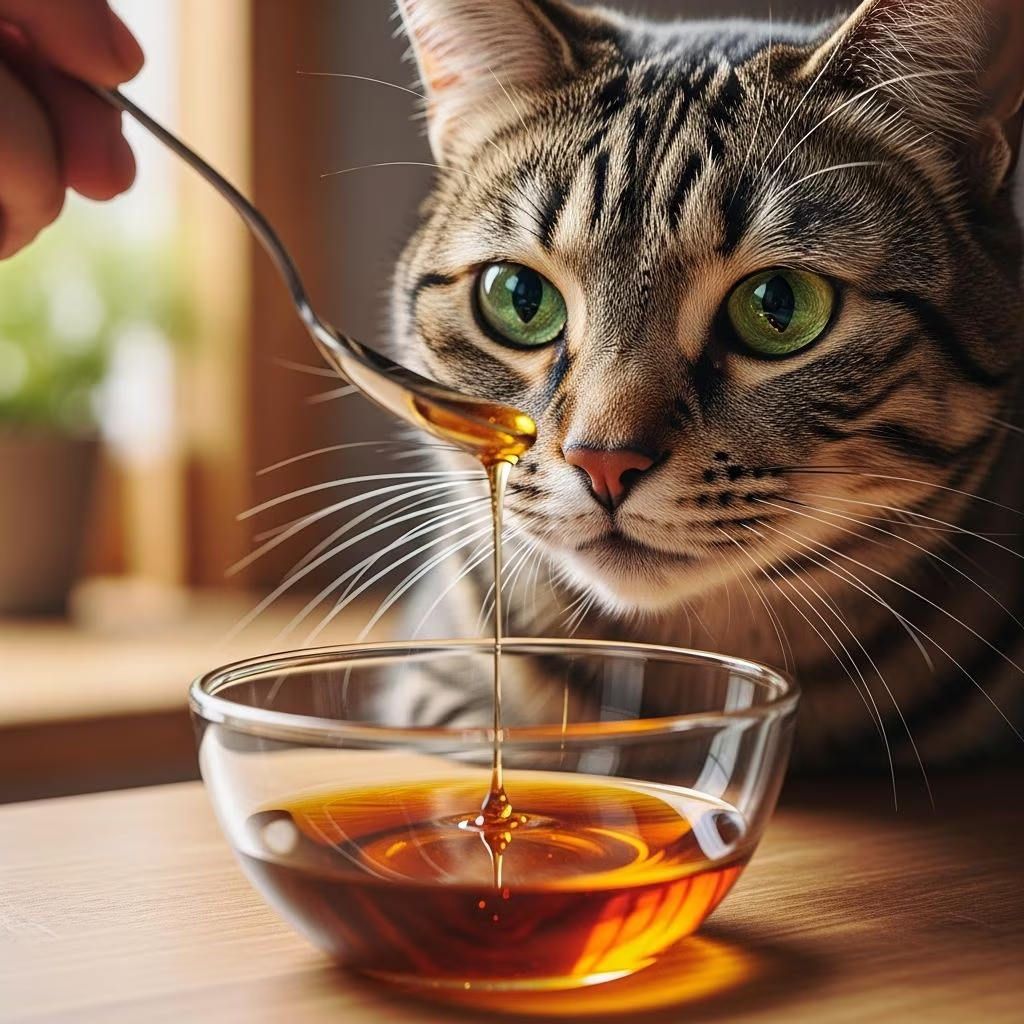
Cats are obligate carnivores with digestive systems designed for meat, not sugars. While many syrups aren’t directly toxic, their high sugar content poses serious health risks like obesity, diabetes, and gastrointestinal upset. Some varieties, such as those with xylitol or chocolate, can be outright dangerous. This article explores the safety of various syrups for cats, potential symptoms, what to do in case of ingestion, and prevention tips.
Short Answer: Can Cats Drink Syrup?
No, cats should not drink syrup. As obligate carnivores, they lack the enzymes to process sugars efficiently, leading to digestive distress, weight gain, and long-term issues like diabetes. Kitchen syrups like maple are usually non-toxic in small amounts but unhealthy; avoid chocolate, cough, or artificially sweetened varieties entirely due to toxicity risks.
Why Can’t Cats Have Syrup?
Syrups, particularly maple syrup derived from tree sap, are packed with sucrose and other carbohydrates that felines can’t metabolize well. Cats evolved without a sweet taste receptor, so sugar provides no nutritional value and disrupts their protein-fat focused diet.
- High Sugar Content: Leads to rapid blood sugar spikes, digestive upset including vomiting and diarrhea, and dehydration.
- Obesity Risk: Excess calories contribute to weight gain, straining joints, heart, and kidneys.
- Diabetes Mellitus: Chronic sugar exposure increases diabetes likelihood, requiring lifelong insulin management.
- Dental Issues: Sugary residues promote cavities, plaque, and gum disease.
- Nutritional Imbalance: Displaces essential proteins, causing deficiencies over time.
Even ‘natural’ syrups overload a cat’s limited amylase production, the enzyme for carb breakdown, making them hard to digest.
Types of Syrup and Their Risks for Cats
Not all syrups are equal. Here’s a breakdown:
| Syrup Type | Safety Level | Risks | Notes |
|---|---|---|---|
| Maple Syrup | Non-toxic but unhealthy | Digestive upset, obesity, diabetes | High natural sugars; avoid regular feeding |
| Chocolate Syrup | Toxic | Theobromine poisoning: tremors, seizures, heart issues | Contains cocoa; fatal in larger amounts |
| Cough Syrup | Highly toxic | Acetaminophen, xylitol: liver failure, hypoglycemia | Even small amounts deadly; seek vet immediately |
| Artificially Sweetened (Xylitol) | Toxic | Renal damage, hypovolemia | Observed in cats; highly dangerous |
| Corn/Glucose Syrup | Unhealthy | GI issues, weight gain | Common in processed foods; no benefits |
Chocolate syrup’s theobromine and caffeine are metabolized poorly by cats, causing cardiac abnormalities. Cough syrups often include acetaminophen, which destroys red blood cells in felines lacking glucuronyl transferase enzyme. Xylitol, while infamous in dogs, affects cat kidneys and causes severe reactions.
Symptoms If Your Cat Drinks Syrup
Monitor closely after exposure. Symptoms vary by type and amount:
- Immediate (1-6 hours): Vomiting, diarrhea, drooling, abdominal pain.
- Short-term (6-24 hours): Lethargy, dehydration (sunken eyes, dry gums), excessive thirst/urination.
- Toxic Reactions: Tremors, seizures, rapid breathing (chocolate/cough syrup); jaundice, dark urine (medicated).
- Long-term: Weight gain, insulin resistance, dental decay.
Benzyl alcohol in some syrups can cause hyperkinesia or neurological signs in cats. Dehydration from diarrhea is a key concern, potentially escalating to organ strain.
What to Do If Your Cat Eats Syrup
- Remove Access: Clear away syrup to prevent more ingestion.
- Observe: Note amount consumed, time, and symptoms.
- Hydrate: Provide fresh water; do not force.
- Contact Vet: Call immediately, especially for toxic types. Provide details for tailored advice.
- Do Not Induce Vomiting: Unless vet instructs; risky for thick syrups.
For small maple syrup amounts, symptoms often resolve with monitoring. Toxic cases may need activated charcoal, IV fluids, or antidotes. Early intervention prevents complications like lipid pneumonia from oily syrups or renal failure from xylitol.
Preventing Syrup Ingestion in Cats
- Store syrups in cat-proof cabinets or fridge.
- Cover pancakes/tabletops during meals.
- Use vet-approved treats: plain cooked meat, commercial low-sugar cat snacks.
- Educate household on cat-safe foods.
- Supervise kittens/puppies more prone to exploring.
Species-appropriate diets with high protein (40-50%), moderate fat, low carbs (under 10%) keep cats thriving.
Are There Safe Sweet Alternatives for Cats?
Cats can’t taste sweets, so no need for them. Opt for:
- Fresh/cooked chicken, fish (boneless).
- Commercial treats under 10% diet.
- Hydrating wet foods.
Avoid fruits/veggies with natural sugars. Focus on taurine-rich meats for heart/eye health.
FAQs
Is maple syrup toxic to cats?
No, but unhealthy due to sugars causing GI upset and obesity. Monitor small amounts.
Can cats taste syrup’s sweetness?
No, lacking sweet receptors; sugar irrelevant to their diet.
What if my cat licked cough syrup?
Emergency vet visit; contains toxins like acetaminophen.
How much syrup is safe?
None ideally; even licks add unnecessary risks.
Does syrup cause diabetes in cats?
Contributes via obesity; high-sugar diets elevate risk.
This 1678-word guide emphasizes prevention and vet consultation for cat safety around syrups.
References
- Can Cats Eat Maple Syrup? Safety & Risks Explained — Zoorithm. 2024. https://www.zoorithm.com/cats/can-cat-eat-maple-syrup
- Can Cats Drink Syrup? Vet-Reviewed Facts & Important … — Hepper. 2024. https://articles.hepper.com/can-cats-drink-syrup/
- Impact of concerning excipients on animal safety — PubMed Central (PMC). 2024-04-29. https://pmc.ncbi.nlm.nih.gov/articles/PMC11087455/
- Essential Oil and Liquid Potpourri Poisoning in Cats — VCA Animal Hospitals. 2024. https://vcahospitals.com/know-your-pet/essential-oil-and-liquid-potpourri-poisoning-in-cats
- Common Drugs That Can Harm Cats and Dogs — Animal Wellness Magazine. 2024. https://animalwellnessmagazine.com/drugs-contraindicated-in-cats-and-dogs/



