

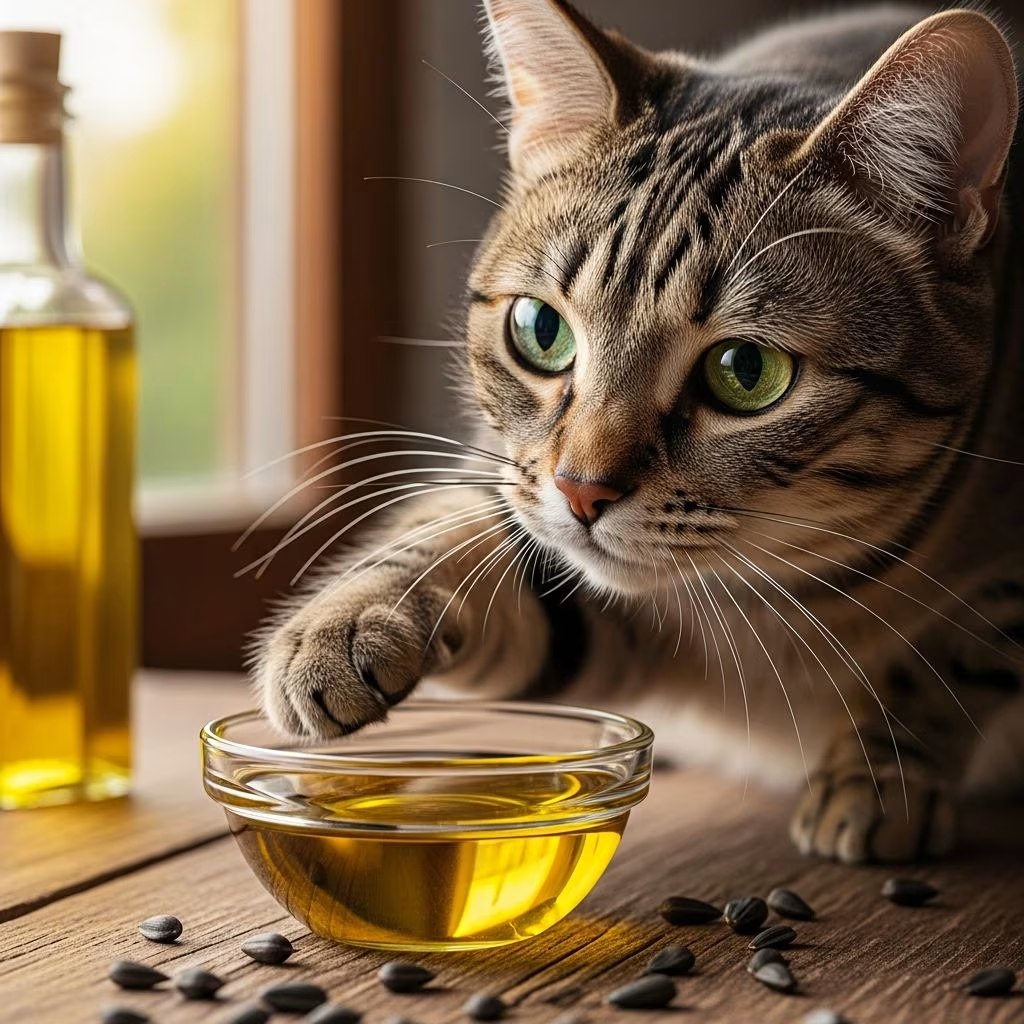
Sunflower oil is not toxic to cats and can be given in small amounts as an occasional supplement, providing vitamins like E and K that support skin, coat, and blood clotting health. However, it should never replace balanced cat food due to its high calorie content and lack of essential proteins, with fish oil often preferred for omega-3 benefits.
What Is Sunflower Oil?
Sunflower oil is a vegetable oil extracted from the seeds of the sunflower plant (Helianthus annuus), commonly used in human cooking for its mild flavor and high smoke point. It is rich in polyunsaturated fats, particularly linoleic acid (an omega-6 fatty acid), and contains vitamins E and K. For cats, who are obligate carnivores, vegetable oils like sunflower oil are not a primary dietary component but can serve as minor additives in moderation.
Cats have unique nutritional needs, requiring high levels of animal-based proteins and specific fatty acids like arachidonic acid, which sunflower oil lacks. While safe, it should complement, not dominate, their diet rich in taurine and animal fats.
Is Sunflower Oil Safe for Cats?
Yes, sunflower oil is safe for cats in small quantities and is non-toxic according to veterinary sources. The ASPCA confirms that sunflower plants and seeds are non-toxic to cats, extending to derived oils like sunflower oil, with no reports of poisoning from occasional ingestion.
However, safety depends on dosage: a tablespoon packs 124 calories, nearly half a 10-pound cat’s daily needs, risking overfeeding without satiety. Always introduce gradually and monitor for adverse reactions.
Potential Benefits of Sunflower Oil for Cats
- Vitamin E as an Antioxidant: Sunflower oil provides vitamin E, supporting skin health, immune function, and protecting cells from oxidative damage. This can promote a shiny coat and reduce dryness.
- Vitamin K for Blood Clotting: Aids in proper blood coagulation and may help prevent osteoporosis by supporting bone health.
- Skin and Coat Conditioning: The linoleic acid helps maintain healthy skin barrier function, potentially alleviating dryness or flakiness in cats with coat issues.
- Appetite Stimulant: A small drizzle can make food more palatable, especially for picky eaters or those recovering from illness, similar to tuna in sunflower oil for soothing mouth ulcers.
- Cooking Aid: Enhances flavor and even cooking when pan-frying meats for occasional treats.
Despite these perks, benefits are modest compared to fish oil, which offers EPA and DHA omega-3s for superior anti-inflammatory effects on skin, joints, and heart health. Studies show fish oil outperforms sunflower oil in altering fatty acid profiles favorably in cats.
Potential Risks and Dangers of Sunflower Oil for Cats
While non-toxic, excessive sunflower oil poses several risks due to its profile as a vegetable oil high in omega-6 fats.
- Obesity and Caloric Density: Primarily fat (100 calories per tablespoon), it contributes to weight gain without protein, increasing diabetes risk in overfed cats. Cats thrive on 52% protein, 46% fat, 2% carbs naturally.
- Digestive Upset: Too much can cause diarrhea, vomiting, or loose stools, as cats digest plant fats less efficiently than animal sources.
- Imbalanced Fatty Acids: High omega-6 from sunflower oil without balancing omega-3s may promote inflammation, unlike anti-inflammatory fish or chicken oils.
- Senior Cat Concerns: Older cats have reduced fat digestion, heightening risks of pancreatitis or GI issues.
- Choking or Blockage from Seeds: If seeds are involved, shells can irritate or block intestines; salted seeds add sodium risks.
Veterinarians recommend fish oil over vegetable oils like sunflower for routine supplementation.
How Much Sunflower Oil Can Cats Have?
Limit to ¼ to ½ teaspoon per day for an average 10-pound cat, mixed into food or used in cooking treats. This equates to 30-60 calories, fitting within daily limits without excess. Adjust based on weight: 1/8 tsp for kittens/small cats, up to 1 tsp for large adults, but never exceed 5-10% of total calories.
| Cat Weight | Daily Max Sunflower Oil | Calories |
|---|---|---|
| 5 lbs (kitten/small) | 1/8 tsp | 15 |
| 10 lbs (average) | ¼-½ tsp | 30-60 |
| 15+ lbs (large) | ½-1 tsp | 60-120 |
Consult a vet for personalized advice, especially for overweight, senior, or health-compromised cats. Complete diets already provide essential fats, making supplements unnecessary for most.
Can Cats Eat Meat Cooked in Sunflower Oil?
Yes, small amounts of plain meat (chicken, beef, turkey) cooked in sunflower oil are safe as occasional treats. The oil prevents sticking, adds subtle nutrition, and enhances palatability without toxicity risks.
- Avoid seasonings: No salt, onions, garlic, or spices toxic to cats.
- Portion control: Limit to 10% of daily calories; e.g., 1-2 oz cooked chicken for a 10-lb cat.
- Balance: Ensure homemade meals are nutritionally complete with vet-formulated recipes.
Fish or lean meats in minimal oil mimic natural prey diets better than carb-heavy commercial foods.
Sunflower Oil vs. Other Oils for Cats
| Oil Type | Key Nutrients | Benefits for Cats | Drawbacks |
|---|---|---|---|
| Sunflower | Omega-6, Vit E/K | Skin/coat, clotting | High cal, pro-inflammatory if unbalanced |
| Fish (salmon) | Omega-3 (EPA/DHA) | Anti-inflammatory, heart/joints/skin | Fishy smell, potential mercury |
| Coconut | Medium-chain fats | Digestion, antimicrobial | High sat fat, limited studies |
| Chicken/Fish Oil | Arachidonic acid | Essential for carnivores | Best in quality foods, not standalone |
Fish oil is superior for most health goals due to omega-3s. Vegetable oils like sunflower are secondary choices.
Frequently Asked Questions (FAQs)
Is sunflower oil toxic to cats?
No, it’s non-toxic but should be limited to avoid obesity and digestive issues.
Can kittens have sunflower oil?
Use sparingly (1/8 tsp max) and only if recommended by a vet; prioritize kitten formulas.
Does sunflower oil help with cat hairballs?
It may lubricate the digestive tract mildly, but petroleum jelly or fish oil is more effective.
What if my cat drank a lot of sunflower oil?
Monitor for vomiting/diarrhea; contact vet if persistent. Induce vomiting only under guidance.
Is sunflower seed oil the same as cooking oil for cats?
Yes, both are safe in tiny amounts, but avoid shells and salt.
Veterinary Recommendations
Always consult your veterinarian before adding oils. Balanced commercial or homemade diets suffice for most cats. For skin/coat issues, test for allergies first; omega-3 supplements from fish sources are preferred. Regular check-ups ensure nutritional needs are met without risks.
References
- Can Cats Drink Sunflower Oil? Vet-Reviewed Benefits & Potential … — Hepper. 2023. https://articles.hepper.com/can-cats-drink-sunflower-oil/
- Giving the Best Cat Food to your Cat – A Complete Nutrition Guide — Pet Cubes. 2023. https://petcubes.com/blogs/articles/best-cat-food
- Are Sunflowers Toxic to Cats? Vet-Verified Facts & Safety Tips — Catster. 2023. https://www.catster.com/cat-health-care/are-sunflowers-toxic-to-cats/
- Good Diet=Healthy Skin and Coat — Cat Writers’ Association. 2021-09. https://catwriters.com/wp-content/uploads/wpforms/8426-cec48ec9cd173cc105e0ef1a20fba1ea/D.CatsterColArdenSkinCoatSept21-d7706a78a8ecad7ecee8c667e24c5407.pdf
- The influence of dietary fish oil vs. sunflower oil on the fatty acid … — Wiley Online Library. 2003. https://onlinelibrary.wiley.com/doi/10.1046/j.1439-0396.2003.00445.x



