

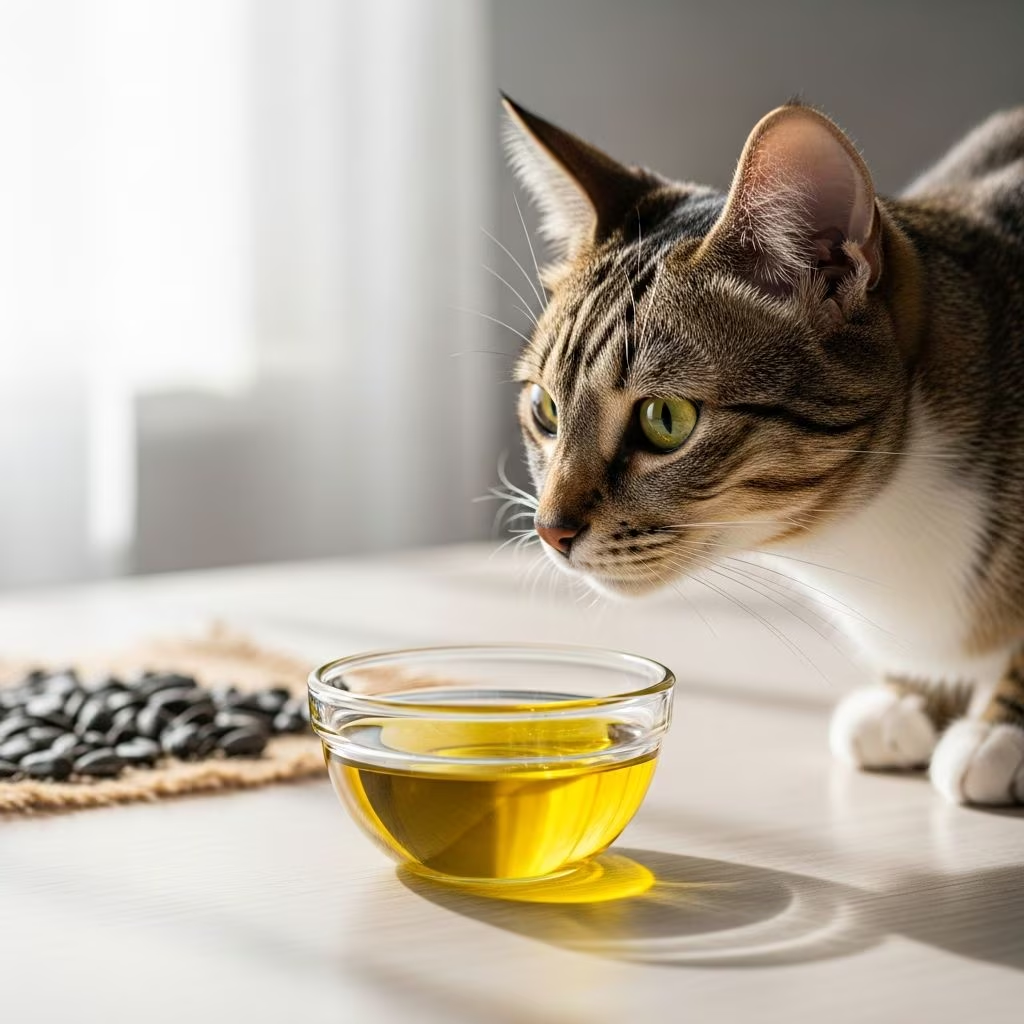
Can Cats Drink Sunflower Oil? Understanding Feline Nutrition
Many cat owners wonder whether common household oils are safe for their feline companions. Sunflower oil, a staple in many kitchens, is occasionally encountered in cat food or added to meals by well-meaning owners. However, the answer to whether cats can drink sunflower oil is more nuanced than a simple yes or no. Understanding why cats have unique nutritional requirements helps clarify why sunflower oil presents potential concerns for feline health.
What Makes Cats Different: Obligate Carnivores
Cats are obligate carnivores, meaning their bodies have evolved to derive nutrition primarily from animal protein sources rather than plant-based ingredients. This fundamental biological difference between cats and humans—or even cats and dogs—shapes everything about their dietary needs. Unlike humans and dogs, cats cannot efficiently process amino acids from plant sources and lack certain enzyme pathways that other mammals possess.
The natural diet of free-ranging cats consisted of approximately 52% protein, 46% fat, and only 2% carbohydrates. This composition reflects thousands of years of evolutionary adaptation to a meat-based diet. Any oils or supplements introduced into a cat’s diet should align with this biological reality rather than work against it.
Sunflower Oil in Pet Food: Palatability and Acceptance
From a pet food manufacturing perspective, sunflower oil presents an interesting paradox. While sunflower oil is well-liked by dogs and improves the palatability of canine diets, cats do not receive the same benefits from this ingredient. In fact, cats tend to reject foods containing sunflower oil, making it a less appealing option for feline formulations compared to other ingredients.
This palatability issue alone suggests that cats may instinctively recognize sunflower oil as unsuitable for their dietary needs. When an animal naturally rejects a food ingredient, it often signals that the ingredient doesn’t align with the species’ nutritional requirements or digestive capabilities.
Plant Oils vs. Animal-Based Fats: The Critical Difference
One of the most important distinctions in cat nutrition is the difference between plant-based oils and animal-based fats. Veterinary nutritionists and dermatologists emphasize that cats require good quality fish oil or chicken oil rather than vegetable oils such as sunflower oil or safflower oil. This isn’t simply a preference—it’s a nutritional necessity rooted in feline biology.
The reason is significant: vegetable oils like sunflower oil are pro-inflammatory in cats, meaning they can trigger inflammatory responses in the body. This contrasts sharply with omega-3 fatty acids found in fish-based oils, which possess anti-inflammatory properties essential for maintaining healthy skin, coat, organs, and joints.
Essential Fatty Acids Cats Actually Need
Cats require specific essential fatty acids for optimal health, particularly linoleic acid and arachidonic acid. These fatty acids support overall health and contribute to the production of important fat-soluble vitamins including vitamins A, D, E, and K.
More importantly, cats benefit significantly from omega-3 fatty acids, specifically eicosapentaenoic acid (EPA) and docosahexaenoic acid (DHA). These compounds are found naturally in fatty fish such as salmon, mackerel, and sardines—not in plant oils like sunflower oil. The combination of EPA and DHA provides benefits not only for skin and coat quality but also for organ function and joint health.
Sunflower oil contains linoleic acid but lacks the omega-3 profiles that cats need, making it nutritionally incomplete for feline requirements.
Taurine: The Non-Negotiable Nutrient
Beyond general protein and fat requirements, cats have one non-negotiable nutritional need that distinguishes them from almost all other domesticated animals: taurine. This essential amino acid is found exclusively in animal protein sources and is critical for maintaining heart and brain health.
No plant-based oil, including sunflower oil, contains taurine. This fundamental gap in plant-based nutrition underscores why cats cannot thrive on plant-derived supplements or oils alone and require animal-sourced nutrients as their dietary foundation.
Tuna in Sunflower Oil: A Limited Exception
Interestingly, one documented scenario where sunflower oil may be relevant to cat nutrition involves canned tuna products. Tuna packaged in sunflower oil (rather than salty water or salt-saturated oil) can actually provide benefits to cats in specific situations. When a cat is ill or experiencing reduced appetite, tuna in sunflower oil may help soothe tongue ulcers or stimulate appetite, allowing the cat to consume needed nutrition.
However, this application is therapeutic and temporary rather than a recommendation for regular dietary inclusion. The benefit derives from the high-quality protein and palatability of the tuna itself, not from the sunflower oil.
Concerns About Inflammatory Response
The pro-inflammatory nature of vegetable oils in cats cannot be overstated. When cats consume diets containing sunflower oil or similar plant-based oils, they may experience inflammatory responses that manifest in various ways:
- Skin irritation and coat quality deterioration
- Increased susceptibility to allergies
- Digestive issues and gastrointestinal inflammation
- Joint and inflammatory responses
- Potential exacerbation of existing health conditions
Cats with existing health conditions, skin sensitivities, or inflammatory issues are particularly vulnerable to the negative effects of plant-based oils in their diet.
What Cats Should Consume Instead
Fish Oil and Marine-Based Options
The gold standard for feline oil supplementation is fish oil derived from fatty fish species. Fish oil provides the omega-3 fatty acids (EPA and DHA) that cats cannot synthesize independently and must obtain from dietary sources. Regular inclusion of fish oil supports immune function, reduces inflammation, and promotes coat health.
Chicken Oil
High-quality chicken oil represents another animal-based option superior to plant oils for cats. Unlike sunflower oil, chicken oil provides fats in a form cats evolved to process and utilize efficiently.
Green Mussel Oil and Cod Liver Oil
Additional marine-based supplements including green mussel oil and cod liver oil offer concentrated sources of omega-3 fatty acids beneficial for feline health. These supplements are often recommended by veterinarians and feline nutrition specialists as part of comprehensive wellness protocols.
Building the Optimal Feline Diet
The healthiest diet for cats mimics their natural nutritional profile: high protein and medium fat content derived from animal sources, with minimal carbohydrates. High-quality cat foods contain between 20% to 40% fat (essential fatty acids) of total daily calorie intake.
When selecting commercial cat food or planning home-prepared diets, prioritize products that list quality animal protein sources as primary ingredients and specify the type of fat included. Examine whether the product contains fish oil, chicken oil, or other animal-based fats rather than vegetable oils.
For cats with specific health concerns—such as skin conditions, joint issues, or inflammatory responses—consulting with a veterinary nutritionist can help identify the most appropriate supplementation protocol, which will invariably recommend animal-based fats over plant oils.
Application Rates and Safety Considerations
If sunflower oil appears in commercial cat food formulations, application rates should be minimal, not exceeding 1% to 2% of the total diet. However, even at these low levels, the inclusion remains questionable given the availability of superior alternatives that align with feline nutritional needs.
Any use of plant oils in cat diets should be validated through feeding trials to ensure cats can tolerate the ingredient without adverse effects. Many plant oils that become trendy in human nutrition—such as coconut oil—are sometimes advocated for pets without sufficient scientific evidence supporting their safety or efficacy in feline diets.
Common Questions About Oils and Cat Health
Q: Is sunflower oil toxic to cats?
A: Sunflower oil is not acutely toxic to cats in small quantities, but it is not recommended for regular dietary inclusion due to its pro-inflammatory properties and lack of feline-appropriate nutritional profile. Cats lack the physiological adaptation to process plant oils efficiently, making them suboptimal for health.
Q: What if my cat accidentally ingested sunflower oil?
A: Small accidental ingestion of sunflower oil is unlikely to cause immediate harm. However, if your cat consumed a significant quantity or shows signs of gastrointestinal distress such as vomiting, diarrhea, or loss of appetite, contact your veterinarian promptly.
Q: Can sunflower oil help with my cat’s dry skin?
A: No. While it might seem logical that adding oil would improve skin health, sunflower oil may actually worsen skin conditions in cats due to its inflammatory properties. Instead, fish oil or omega-3 supplements specifically formulated for cats provide genuine skin health benefits.
Q: Are there any situations where sunflower oil is appropriate for cats?
A: The only documented scenario is incidental consumption through canned tuna packaged in sunflower oil, which may temporarily benefit sick or anorexic cats. This remains a therapeutic exception rather than a dietary recommendation.
Q: How do I know if my cat’s food contains appropriate oils?
A: Check the ingredient list and guaranteed analysis on cat food packaging. Look for fish oil, chicken oil, salmon oil, or other animal-based fat sources. Avoid products listing generic “vegetable oil” or specifically mentioning sunflower oil, safflower oil, or soy oil.
Supporting Feline Skin and Coat Health Naturally
Beyond avoiding problematic oils like sunflower oil, supporting your cat’s skin and coat health involves a multi-faceted approach. Quality protein sourced from real meat provides the amino acids necessary for keratin production and skin integrity. Fish-based supplements containing EPA and DHA reduce inflammation and support dermatological health.
Vitamin supplementation also plays essential roles in maintaining coat quality and skin health. Vitamin A aids in repair and growth of skin tissues. Vitamins C and E function as antioxidants with anti-inflammatory properties beneficial for skin conditions. Some veterinarians recommend additional supplements such as collagen for joint and skin health, and decaffeinated green tea extract as a skin-boosting antioxidant.
Conclusion: Making Informed Choices for Feline Nutrition
While sunflower oil is a nutritious ingredient for humans and even beneficial for dogs, it is not appropriate for regular cat consumption. Cats’ unique position as obligate carnivores with specialized nutritional requirements means they need animal-based fats, omega-3 sources, and specific amino acids that sunflower oil cannot provide. The pro-inflammatory nature of vegetable oils in feline diets makes them actively counterproductive for health goals such as maintaining a healthy coat, managing inflammation, and supporting overall wellness.
When making dietary choices for your cat, consult the ingredient labels on commercial foods, work with your veterinarian or a board-certified veterinary nutritionist, and prioritize animal-based ingredients over plant-based alternatives. Your cat’s evolutionary biology and nutritional requirements will thank you for choosing species-appropriate nutrition.
References
- Plant oils in pet food: olive, soy, coconut and sunflower — Pet Food Industry Magazine. Accessed January 15, 2026. https://www.petfoodindustry.com/articles/15468528-plant-oils-in-pet-food-olive-soy-coconut-and-sunflower
- Giving the Best Cat Food to your Cat – A Complete Nutrition Guide — Pet Cubes. Accessed January 15, 2026. https://petcubes.com/blogs/articles/best-cat-food
- Good Diet=Healthy Skin and Coat — Cat Writers’ Association. September 2021. https://catwriters.com



