

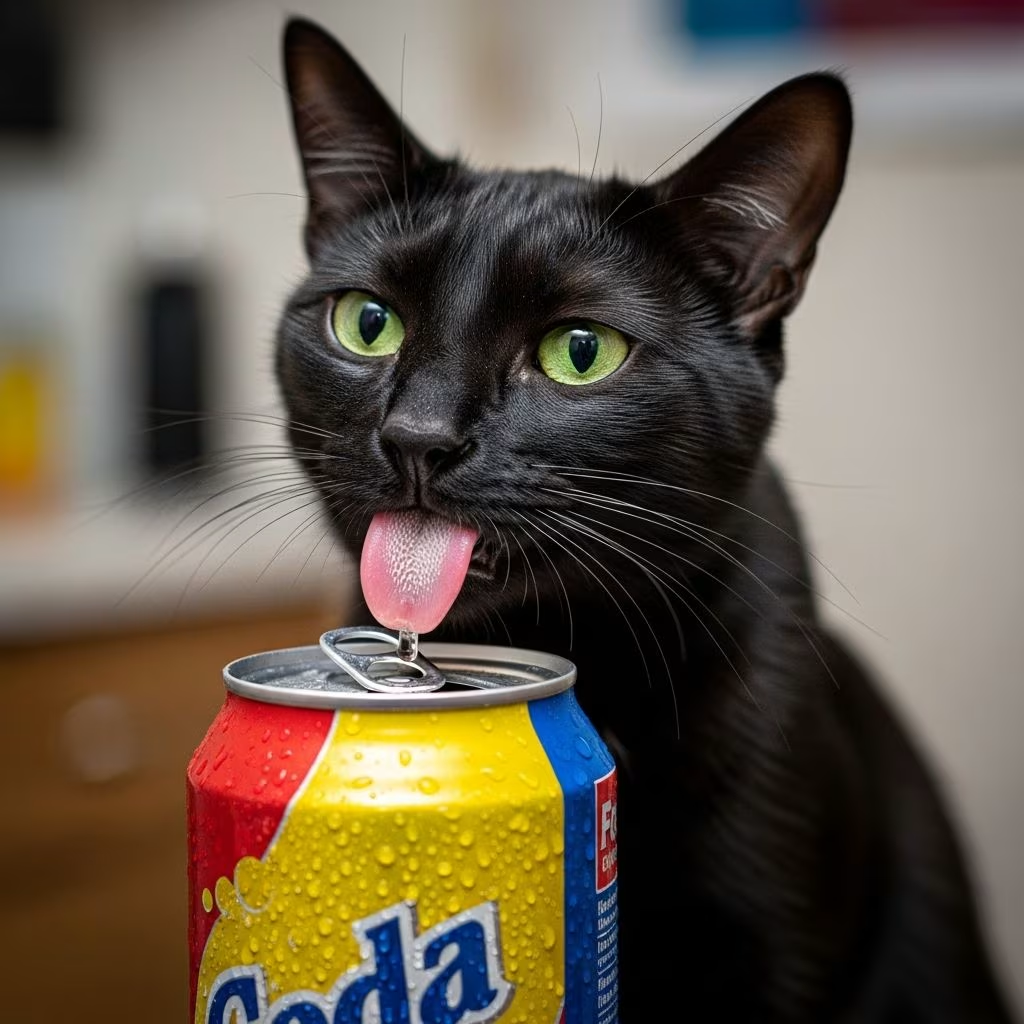
Soda is not safe for cats. Ingredients like caffeine, sugar, high-fructose corn syrup, acids, and artificial sweeteners can cause immediate toxicity symptoms or long-term health issues such as obesity, diabetes, and digestive upset.
Consider What’s in Soda
Soda contains carbonated water, high-fructose corn syrup or sugar, caffeine, citric or phosphoric acids, artificial flavors, and preservatives. Cats lack the enzymes to process many of these effectively, turning a human treat into a feline hazard.
Caffeine
Caffeine stimulates the central nervous system. Cats metabolize it poorly, leading to toxicity even from small amounts found in sodas like cola. Symptoms appear within 1-2 hours: restlessness, hyperactivity, rapid breathing, vomiting, elevated heart rate, tremors, and seizures. Severe cases can cause death.
Sugar and High-Fructose Corn Syrup
Cats are obligate carnivores with minimal need for carbohydrates. Excess sugar leads to weight gain, obesity, diabetes, and dental issues. Diet sodas replace sugar with artificial sweeteners like xylitol or aspartame, which cats cannot metabolize and may cause gastrointestinal distress or toxicity.
Acids (Citric and Phosphoric)
These erode tooth enamel and irritate the stomach lining, causing vomiting, diarrhea, or chronic digestive problems. Carbonation adds bloating and gas, as cats burp inefficiently.
Artificial Sweeteners and Flavors
Sweeteners like aspartame disrupt feline metabolism. Artificial colors and flavors offer no nutrition and may trigger allergies or hyperactivity.
Soda Won’t Poison Your Cat, But It Isn’t Good for Them
A lick or two of soda rarely causes severe poisoning, but regular access promotes poor habits and health decline. Prevent begging by securing drinks. If your cat sneaks a sip, monitor for symptoms like vomiting, lethargy, or hyperactivity; contact a vet if persistent.
More Unsafe Drinks for Cats
Beyond soda, avoid these beverages:
- Coffee and Tea: Higher caffeine levels risk heart arrhythmias, collapse, or death.
- Milk: Most cats are lactose-intolerant, causing diarrhea and bloating. Lactose-free or goat’s milk in tiny amounts only.
- Juice: Sugar overload leads to obesity; acidic juices upset stomachs.
- Alcohol: Rapid intoxication causes vomiting, disorientation, coma.
- Sparkling Water: Carbonation causes gas; flavored versions add unsafe additives.
Keeping Cats Hydrated
Cats need 3.5-4.5 ounces of water per 5 pounds of body weight daily. Fresh water in clean bowls encourages drinking.
Signs of Dehydration
- Dry, sticky gums
- Excessive panting
- Lethargy
- Sunken eyes
- Loss of skin elasticity (skin tenting test)
Perform the tent test: Pinch skin on the scruff; it should snap back instantly. Slow return signals dehydration—seek vet care.
Hydration Tips and Healthy Alternatives
Enhance appeal without risks:
- Running Water Fountains: Cats prefer moving water.
- Multiple Bowls: Place fresh water around home.
- Flavor Boosts: Add tuna water (from water-packed cans), bone broth (low-sodium, no onion/garlic), or goat’s milk sparingly.
- Wet Food: Provides 70-80% moisture.
- Chicken Broth: Diluted, unsalted.
| Hydration Method | Benefits | Precautions |
|---|---|---|
| Water Fountain | Encourages 20-50% more intake | Clean weekly |
| Tuna Juice Mix | Irresistible flavor | Occasional; low-sodium |
| Wet Cat Food | High moisture content | Balanced nutrition |
| Bone Broth | Hydrating treat | No toxic additives |
Cat Nutrition Basics
Feed AAFCO-approved complete diets: high-protein dry or wet food meeting feline needs. Avoid human foods high in carbs/sugar. Obesity affects 60% of cats; maintain ideal weight via portion control and activity.
When to See a Vet
After accidental soda ingestion showing symptoms, or for persistent hydration issues. Vets recommend annual checkups for diet advice. Online services like PangoVet offer quick consults.
Frequently Asked Questions (FAQs)
Q: Can cats have a little soda as a treat?
A: No. Even small amounts risk caffeine toxicity or sugar overload. Stick to cat-safe treats.
Q: Is diet soda safe for cats?
A: No. Artificial sweeteners like xylitol are toxic or indigestible.
Q: What if my cat drinks soda accidentally?
A: Monitor for vomiting, hyperactivity. Call vet or poison hotline if symptoms appear.
Q: How much water should my cat drink daily?
A: 3.5-4.5 oz per 5 lbs body weight. Adjust for wet food intake.
Q: Are there safe fizzy drinks for cats?
A: No commercial fizzy drinks; plain still water only.
Q: Why do cats ignore their water bowl?
A: Stagnant water, dirty bowls, or bowl location. Try fountains or flavors.
This article provides comprehensive guidance on cat hydration and soda risks, promoting long-term feline health through informed choices.
References
- Can Cats Drink Soda? — PetPlace.com. 2023-05-15. https://www.petplace.com/article/cats/pet-health/can-cats-drink-soda
- Can Cats Drink Soda? Vet Approved Nutrition & Safety — Catster. 2024-08-20. https://www.catster.com/nutrition/can-cats-drink-soda/
- Cats and Caffeine: Can Cats Drink Coffee? — PetMD. 2025-01-10. https://www.petmd.com/cat/poisoning/can-cats-drink-coffee



