

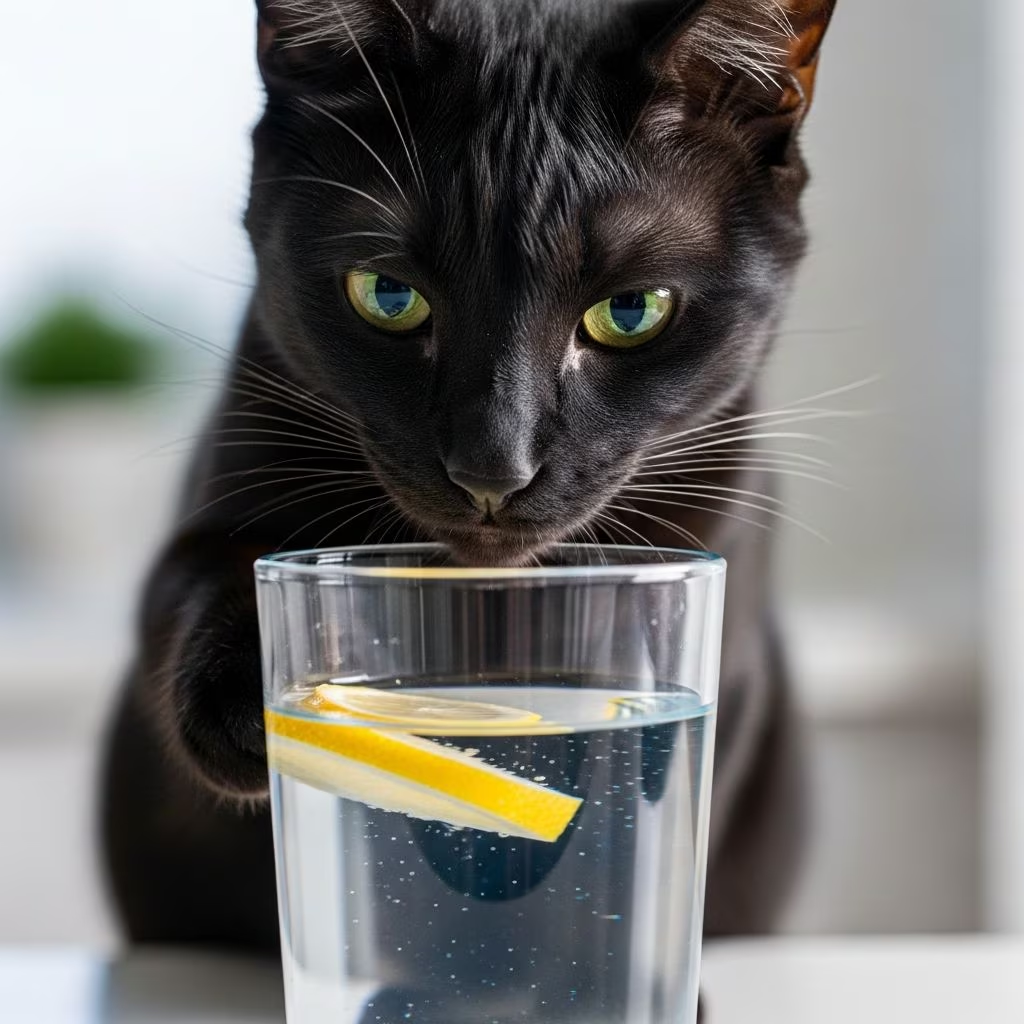
Water is essential for cats’ survival and proper body function, just as it is for humans. Cats require fresh water daily to prevent dehydration and maintain health, especially since many rely on dry food with low moisture content. As a cat owner, you might wonder if popular human beverages like Smartwater or flavored waters are safe alternatives. In general, original pH-balanced Smartwater is safe for cats to drink in moderation, though not the healthiest option compared to plain water. Flavored varieties require careful ingredient checks, as some may contain unsafe additives.
Can Cats Drink Smartwater?
Smartwater, produced by Glaceau, is a leading bottled water brand with various types including plain pH-balanced, alkaline, antioxidant-infused, and flavored options. Not all are equally suitable for cats, so understanding the differences is crucial before offering any to your pet.
What Types of Smartwater Are Safe for Cats?
The original Smartwater, which is vapor-distilled with added electrolytes for taste, contains no sugar, sodium, or fluoride, making it safe for cats. These electrolytes—typically minerals like potassium and magnesium—are not harmful in small amounts, though cats may not prefer the taste due to their different sensory profiles. According to the U.S. Food and Drug Administration (FDA), electrolytes in such low concentrations pose no toxicity risk for felines when consumed occasionally.
- Original pH-Balanced Smartwater: Safe, but not superior to regular water. Ideal for occasional use if your cat shows interest.
- Smartwater Flavored: Generally not recommended. Flavors often come from natural essences or subtle sweeteners that could upset a cat’s stomach or deter drinking. Always check labels for artificial additives like citric acid in excess, which might irritate sensitive digestive systems.
- Smartwater Antioxidant: Safe, as antioxidants like added vitamins are in trace amounts unlikely to harm cats. However, cats derive minimal benefit from human-targeted formulations.
- Smartwater Alkaline (pH 9.5): Safe for cats, whose optimal urinary pH ranges from 6.0-6.5 but can tolerate higher levels short-term without issue. Studies from the American Veterinary Medical Association (AVMA) confirm alkaline water does not disrupt feline kidney function in moderation.
While these varieties won’t poison your cat, they aren’t formulated for feline needs. Plain water remains the gold standard.
What Do Electrolytes Have to Do With Cats?
Electrolytes such as sodium, potassium, calcium, and magnesium are vital for nerve function, muscle contraction, and fluid balance in both humans and cats. However, cats have unique requirements: they are obligate carnivores with efficient kidneys that regulate electrolytes differently from humans. Human sports waters like Smartwater add electrolytes for post-exercise rehydration in people, but excess can overload a cat’s system, potentially leading to imbalances.
For mildly dehydrated cats—perhaps after play on a hot day—Smartwater’s electrolytes might encourage drinking without harm. Severe dehydration, however, demands veterinary intervention, not over-the-counter solutions. The Merck Veterinary Manual notes that feline electrolyte needs are best met through balanced diet and plain water, as added sources can alter pH or mineral ratios unfavorably.
Signs of Dehydration in Cats
Monitor your cat closely for these moderate to severe dehydration indicators, which signal a vet visit is urgent:
- Dry, tacky gums instead of moist and slippery.
- Lethargy or unusual weakness.
- Loss of appetite or complete refusal to eat.
- Sunken eyes and increased heart rate.
- Loss of skin elasticity: Pinch the scruff; it should snap back instantly, not tent.
Cats on dry food diets are prone to low water intake, needing about 50-60 ml per kg of body weight daily, per vet guidelines. Wet food provides ~65% moisture, reducing reliance on drinking bowls.
What Is the Best Water for Cats?
Plain, clean water safe for humans is ideal for cats—no need for fancy brands. Tap, bottled, or filtered water suffices, as most contain natural electrolytes. Avoid distilled water long-term, as it strips essential minerals, potentially leading to deficiencies. Spring water is excellent occasionally but may carry untreated contaminants.
| Type of Water | Pros | Cons | Best For |
|---|---|---|---|
| Spring Water | Naturally filtered through earth layers; rich in minerals; EPA/FDA tested. | May contain natural impurities if untreated. | Occasional natural hydration. |
| Filtered Tap Water | Removes chlorine, sediments; affordable; convenient with home filters. | Filter must be maintained to avoid bacteria. | Daily use; multi-cat homes. |
| Reverse Osmosis | Removes 98% contaminants; no added chemicals. | Removes some minerals; requires installation. | High-purity needs. |
| Bottled (Plain) | Convenient; consistent quality. | Expensive; plastic waste. | Travel or backups. |
| Distilled | Pure H2O. | Lacks minerals; not for long-term. | Short-term only. |
Enhance appeal with cat water fountains, which mimic running streams to boost intake. Stainless steel models like those recommended by vets offer triple filtration and multiple flows.
How to Encourage Your Cat to Drink More Water
Cats often ignore still bowls, preferring fresh sources. Strategies include:
- Multiple bowls around the home, refreshed daily.
- Cat water fountains for circulating water.
- Mixing wet food into the diet for added moisture.
- Flavoring with a bit of tuna water (low-sodium).
- Room-temperature water over cold.
Avoid vitamin or flavored waters routinely; a few sips won’t hurt, but consult a vet for nutritional gaps.
Frequently Asked Questions (FAQs)
Is Smartwater safe for daily cat consumption?
Original Smartwater is safe occasionally but not ideal daily due to added electrolytes unnecessary for most cats. Stick to plain filtered water.
Can flavored water harm my cat?
Depends on ingredients—avoid sugars, artificial flavors, or high acidity. Check labels; plain is always safer.
How much water should my cat drink?
Approximately 2 ounces per 2.2 pounds of body weight daily (50-60 ml/kg), varying by diet and health.
Why won’t my cat drink from the bowl?
Cats dislike stagnant water; try fountains, fresh changes, or alternative locations. Health issues like dental pain could also factor in—see a vet.
Is alkaline water better for cats?
No significant benefit; safe but plain water supports natural pH balance better.
References
- Can Cats Drink Smartwater or Flavored Water — Catster. 2023-05-15. https://www.catster.com/nutrition/can-cats-drink-smartwater-flavored-water/
- Best Waters for Cats: 6 Vet-Reviewed Types & FAQ — Catster. 2024-02-20. https://www.catster.com/cat-health-care/best-waters-types-for-cats/
- Wet vs. Dry Cat Food: Vet-Approved Facts & Key Differences — Catster. 2023-11-10. https://www.catster.com/nutrition/dry-vs-wet-cat-food/
- How Much Water Does a Cat Need Per Day? Vet-Approved — Catster. 2024-01-05. https://www.catster.com/cat-health-care/how-much-water-does-a-cat-need-per-day/
- Fluid Therapy in Cats — Merck Veterinary Manual. 2025-03-01. https://www.merckvetmanual.com/cat-owners/disorders-affecting-multiple-body-systems-of-cats/fluid-therapy-in-cats
- Water Quality Standards — U.S. Environmental Protection Agency (EPA). 2024-07-12. https://www.epa.gov/wqs-tech
- Electrolytes in Pet Nutrition — American Veterinary Medical Association (AVMA). 2023-09-18. https://www.avma.org/resources-tools/pet-owners/petcare/electrolytes-pets



