

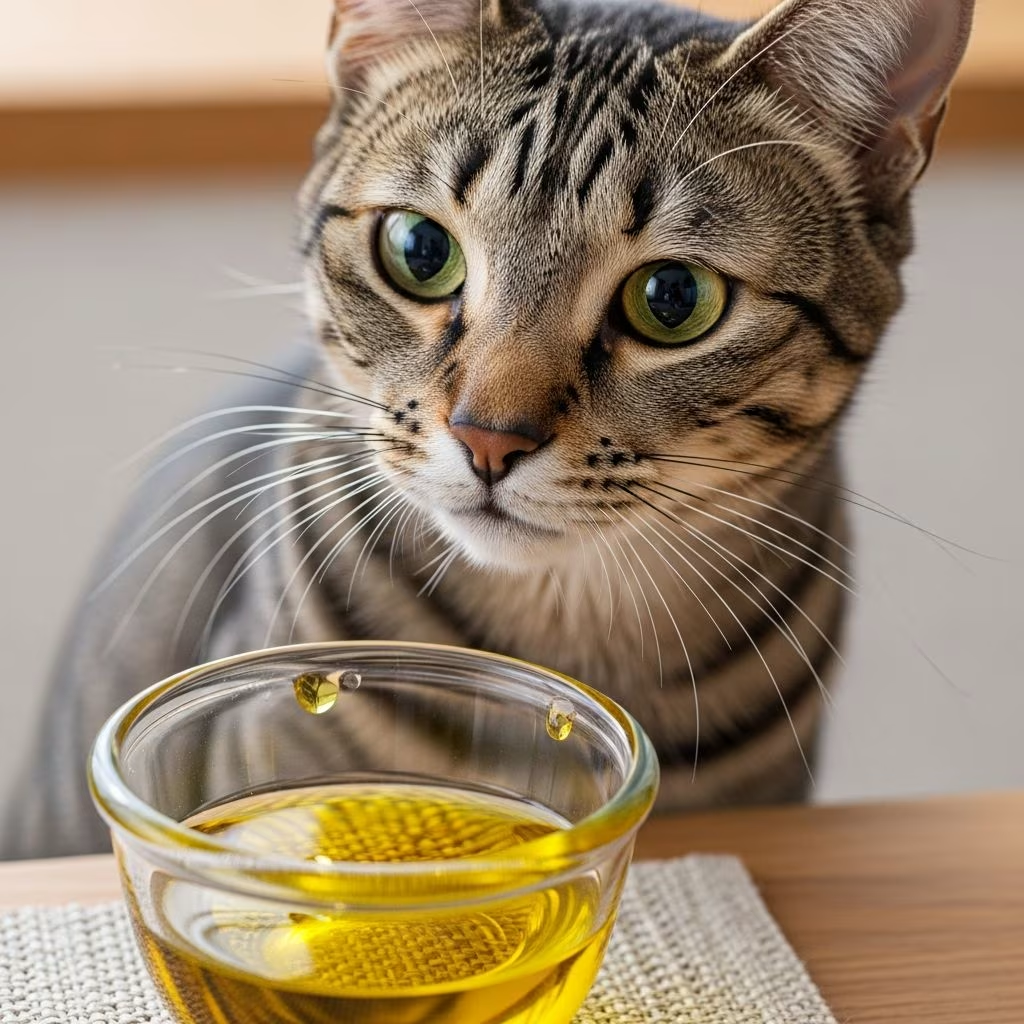
Sesame oil is not toxic to cats and can be safely consumed in very small amounts occasionally, potentially offering benefits like improved skin and coat health due to its antioxidants and healthy fats, but it should never replace a balanced feline diet and requires veterinary consultation first.
What Is Sesame Oil?
Sesame oil is extracted from sesame seeds (*Sesamum indicum*), a plant widely used for its nutritional and medicinal properties in human diets. It is rich in polyunsaturated and monounsaturated fats, antioxidants such as sesamol and sesamin, and contains vitamins and minerals like vitamin E and calcium. These components contribute to its anti-inflammatory properties and support for heart health in humans.
For cats, who are obligate carnivores requiring primarily animal-based proteins and fats, sesame oil is not an essential nutrient. However, its fatty acid profile may provide supplementary benefits when used sparingly. Raw, unrefined sesame oil is preferable as it avoids additives found in flavored or roasted varieties, which could be harmful to pets. The oil’s high calorie density—about 120 calories per tablespoon—necessitates moderation to prevent weight gain.
Can Cats Have Sesame Oil?
Yes, cats can have sesame oil in tiny quantities, such as a few drops mixed into food no more than once a week, without toxicity concerns. It may aid in lubrication for hairball passage or provide minor skin benefits when applied topically in diluted form.
However, cats’ digestive systems are optimized for animal fats, lacking enzymes to efficiently process large amounts of plant oils. Regular or excessive intake could disrupt nutrient balance or lead to imbalances. Veterinary approval is crucial, especially for cats with pre-existing conditions, as interactions with medications are possible.
Sesame Oil Benefits for Cats
While not a staple in feline nutrition, sesame oil offers potential upsides in moderation:
- Skin and Coat Health: The monounsaturated fats and antioxidants like sesamin can reduce inflammation and promote a shiny coat, similar to benefits seen in humans.
- Hairball Relief: A few drops may lubricate the digestive tract, helping cats pass ingested fur more easily and reducing constipation.
- Antioxidant Support: Sesamol and sesamin combat oxidative stress, potentially supporting overall cellular health, though feline-specific studies are limited.
- Anti-Inflammatory Effects: May soothe minor skin irritations when diluted and applied topically.
These benefits are most relevant for cats with dry skin or occasional hairballs, but evidence in felines is anecdotal rather than from large-scale studies. Fish oil remains a more researched alternative for omega fatty acids.
Risks and Side Effects of Sesame Oil for Cats
Despite its safety profile, sesame oil carries risks, particularly in excess:
- Digestive Upset: Large amounts act as a laxative, causing diarrhea, vomiting, or abdominal pain due to cats’ shorter digestive tracts.
- Allergies and Sensitivities: Rare but possible, manifesting as itching, redness, swelling, or hair loss.
- Weight Gain and Pancreatitis: High fat and calorie content can lead to obesity or exacerbate pancreatitis in prone cats.
- Choking or Oral Issues: Related to seeds, but oil could coat teeth if not rinsed properly.
- Nutrient Imbalance: Over-reliance displaces essential animal proteins.
Topical use risks greasiness or irritation if undiluted. Always monitor for 24-48 hours after introduction.
How Much Sesame Oil Can Cats Have?
Limit to 2-4 drops mixed into wet food, no more than once weekly for an average adult cat (4-5 kg). Kittens, seniors, or small breeds should receive even less—1-2 drops.
| Cat Size/Condition | Recommended Dose | Frequency |
|---|---|---|
| Adult (4-5 kg) | 2-4 drops | Once per week max |
| Kitten/Senior (<4 kg) | 1-2 drops | Every 2 weeks |
| Topical Use | Dilute 1:1 with carrier oil | As needed, sparingly |
Exceed this at your peril—overdose leads to loose stools. Start with half the dose to test tolerance.
Sesame Seeds and Cats
Sesame seeds, the source of the oil, are non-toxic but not ideal for cats. Small amounts (a sprinkle) occasionally are safe, providing minor protein and fats, but risks include choking, dental issues, high calories, and digestive upset.
- Safe in tiny quantities as a rare treat.
- High fiber may aid digestion but overwhelm sensitive stomachs.
- Black or white varieties equally safe.
Seeds pose more physical hazards than oil due to size.
Better Alternatives to Sesame Oil for Cats
Fish oil (salmon or krill) is superior, rich in EPA/DHA omegas tailored for feline needs, supporting joints, skin, and inflammation without plant oil digestion issues. Other options:
- Coconut oil: Antifungal, hairball aid (1/4 tsp daily max).
- Flaxseed oil: Plant-based omega-3s, but less bioavailable.
- Commercial cat supplements: Vet-formulated for safety.
Prioritize AAFCO-approved diets over DIY additions.
Conclusion
Sesame oil can be a safe, occasional treat for cats in minuscule doses, offering antioxidant and lubricating perks, but risks like GI distress and allergies outweigh routine use. Consult your vet, opt for fish oil alternatives, and maintain a meat-based diet for optimal health. Tiny amounts enhance without harm—moderation is key.
Frequently Asked Questions (FAQs)
Is sesame oil toxic to cats?
No, sesame oil is not toxic but can cause digestive upset, diarrhea, or allergies in excess or sensitive cats. Use sparingly.
Can I put sesame oil on my cat’s skin or fur?
Yes, diluted with a carrier oil in small amounts for dry skin, but test for irritation and consult a vet first.
How much sesame oil is safe for my cat?
2-4 drops weekly for adults, less for kittens/seniors. Mix in food; monitor closely.
Can sesame oil help with cat hairballs?
Potentially, as a lubricant in tiny doses, but vet-recommended remedies are better.
Are sesame seeds safe for cats?
Yes, in very small amounts occasionally, but avoid due to choking and calorie risks.
What if my cat has a bad reaction to sesame oil?
Stop immediately; contact vet if vomiting, diarrhea, itching, or lethargy occurs.
Is there a better oil than sesame for cats?
Yes, fish oil provides superior omega benefits without plant digestion issues.
References
- Can Cats Have Sesame Oil? Safety & Benefits Guide — Zoorithm. 2023. https://www.zoorithm.com/cats/can-cats-have-sesame-oil
- Can Cats Eat Sesame Seeds? Vet-Approved Guide — Dialavet. 2023. https://www.dialavet.com/blog/can-cats-eat-sesame-seeds
- Can Cats Eat Sesame Seeds? Vet-Reviewed Nutritional Info — Hepper. 2023. https://articles.hepper.com/can-cats-eat-sesame-seeds/
- Can Cats Drink Sesame Oil? Vet-Reviewed Nutrition Facts — Hepper. 2023. https://articles.hepper.com/can-cats-drink-sesame-oil/
- Can Cats Drink Sesame Oil? Vet Reviewed Nutrition Advice — Catster. 2023. https://www.catster.com/nutrition/can-cats-drink-sesame-oil/



