

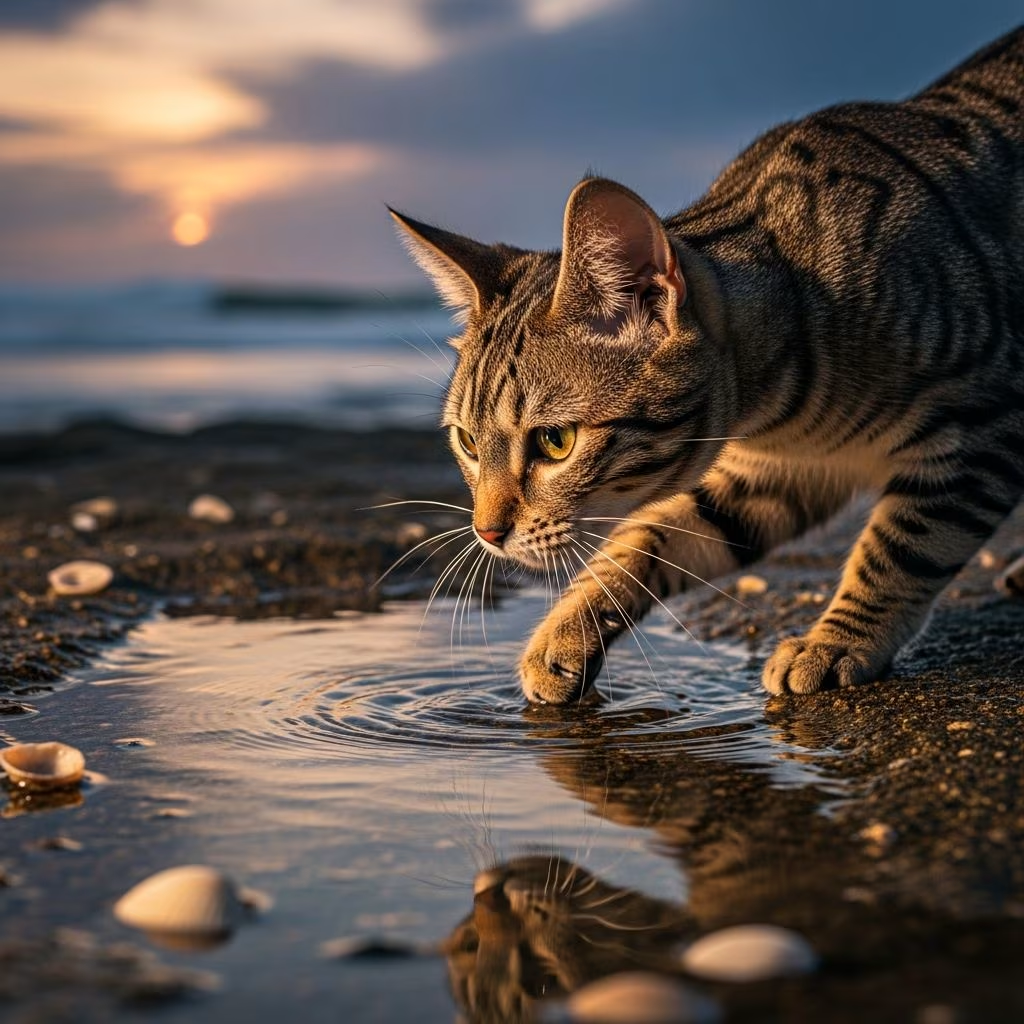
Cats possess a remarkable biological adaptation allowing them to drink salt water without immediate harm, thanks to their highly efficient kidneys that excrete excess sodium effectively. However, while they can drink salt water in emergencies, it is not recommended as a regular hydration source due to potential long-term health risks like dehydration from excessive intake.
Cats Can Drink Salt Water and Survive
Unlike humans, whose kidneys cannot handle high sodium loads from seawater leading to dehydration, cats have evolved superior renal function. Research from the American Journal of Physiology demonstrates that feline kidneys can secrete concentrated urine, removing excess salt while retaining water for hydration. This adaptation stems from their desert ancestry, where fresh water was scarce, enabling wild cats to survive on prey fluids and occasional saline sources.
On average, a 5-kg cat requires about 250 ml of water daily. Seawater contains roughly 3.5% salt, meaning 250 ml holds approximately 8.75 g of sodium chloride. The estimated fatal salt dose for a 5-kg cat is around 20 g, providing a safety margin for occasional consumption. However, this capacity has limits—prolonged reliance on salt water could overwhelm even feline kidneys, mimicking human dehydration effects by drawing fluid from tissues to dilute sodium.
- Biological Mechanism: Cats produce urine up to 4 times more concentrated than seawater, far surpassing human capabilities (maximum 1.5 times).
- Survival Context: Ideal for stranded cats or feral populations near oceans, but domestic cats thrive on fresh water and moisture-rich diets.
- Daily Needs: Prioritize tap water or filtered sources; wet food contributes 70-80% of hydration needs.
Don’t intentionally offer salt water—fresh, clean water suffices. If you spot your cat sipping from a chlorinated pool or saltwater aquarium, monitor for symptoms like lethargy, vomiting, or excessive thirst, as these indicate overconsumption.
Health Effects of Cats Drinking Salt Water
Sodium is vital for cats, regulating nerve function, muscle contraction, and fluid balance, but it should derive from natural dietary sources like raw meat, organs, and bones rather than seawater. Commercial cat foods are formulated with balanced electrolytes, negating any need to add salt to drinking water.
Occasional sips pose minimal risk, but habitual intake disrupts homeostasis:
| Risk Factor | Short-Term Effects | Long-Term Effects |
|---|---|---|
| Excess Sodium Load | Thirst increase, mild diarrhea | Kidney strain, hypertension |
| Dehydration Paradox | Initial hydration, then fluid shift | Chronic thirst, organ stress |
| Pool Chemicals (if applicable) | GI upset from chlorine | Liver/kidney damage |
Saltwater pools, popular for gentler human skin, still carry risks; their 0.5-1% salinity exceeds feline dietary needs and can upset electrolyte balance. Feral cats near oceans occasionally drink saline without issue, but indoor pets lack this necessity. Symptoms warranting vet attention include lethargy, tremors, seizures (at toxic levels), or salt crust around the mouth.
What to Do If Your Cat Won’t Stop Drinking Salt Water
Incidental pool or aquarium drinks are typically harmless, but persistent behavior signals underlying issues. Cats may prefer ‘moving’ pool water due to instincts favoring rippling sources, or stagnant bowls might taste stale.
- Provide Alternatives: Use cat fountains for circulating fresh water; cats drink 2-3 times more from fountains.
- Refresh Bowls Daily: Clean with mild soap, change water twice daily—warm weather accelerates staleness.
- Block Access: Supervise outdoors, install pool covers, or use catios for safe enclosure.
- Enhance Hydration: Feed wet food (78% moisture) or add broth toppers to kibble.
- Vet Check: Polydipsia (excessive drinking) may indicate diabetes, kidney disease, or hyperthyroidism. Bloodwork assesses sodium levels and organ function.
For immediate advice, online veterinary services like PangoVet offer consultations. Track intake: normal is 50-100 ml/kg/day; exceeding this prompts action.
The Bottom Line
Cats’ evolutionary edge allows safe salt water consumption in moderation, but fresh water remains optimal. Vigilance prevents obsession—supply appealing fresh sources to deter saline allure. A balanced diet ensures health without saline supplementation.
Frequently Asked Questions (FAQs)
Can cats drink ocean water safely?
Yes, in small amounts; their kidneys handle it better than humans, but avoid regular exposure to prevent sodium overload.
Is pool water okay for cats occasionally?
Saltwater pools: limited yes; chlorinated: no, due to chemicals causing vomiting/diarrhea.
How much salt is toxic to cats?
Approximately 4 g/kg body weight; for a 5-kg cat, 20 g total.
Why do cats prefer pool water?
Cooler temperature, movement, or dirty bowls; instincts draw them to ‘fresh’ sources.
What if my cat drinks saltwater aquarium water?
Monitor for illness; remove access and consult vet if symptoms appear.
References
- Can Cats Drink Salt Water? Vet-Reviewed Facts & Advice — Catster. 2023-06-15. https://www.catster.com/nutrition/can-cats-drink-salt-water/
- Cats Drinking Out of the Pool Explained — The Refined Feline. 2024-05-20. https://www.therefinedfeline.com/cats-drinking-out-of-the-pool-explained/
- Renal Function in Cats — American Journal of Physiology. 1960-01-01. https://journals.physiology.org/doi/abs/10.1152/ajplegacy.1960.198.1.92
- Sodium Toxicity in Companion Animals — Merck Veterinary Manual. 2024-11-01. https://www.merckvetmanual.com/toxicology/sodium-toxicosis/sodium-toxicosis-in-animals
- Hydration Guidelines for Cats — WSAVA Global Nutrition Committee. 2023-09-01. https://wsava.org/global-guidelines/nutrition-toolkit/



