

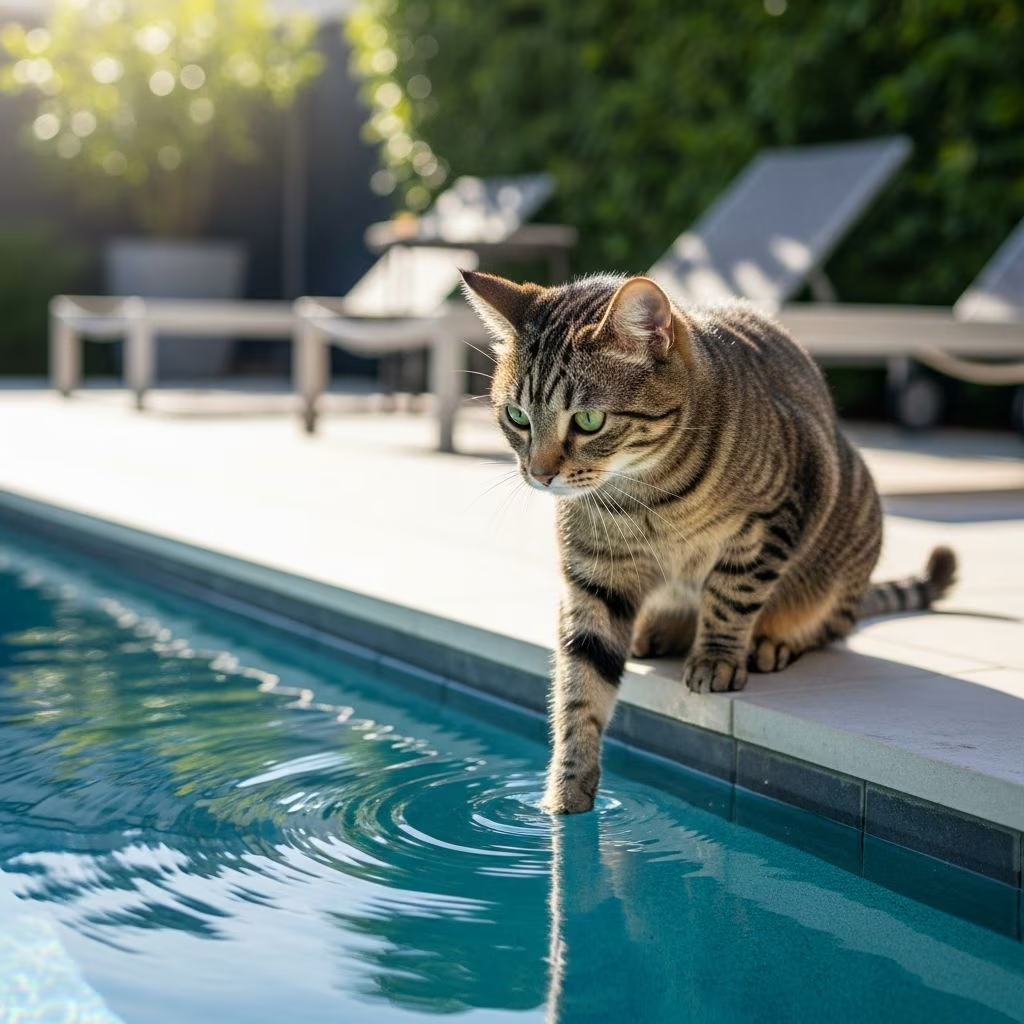
Cats are curious by nature and may be drawn to pool water, but it’s generally not safe for them to drink. While a small sip of chlorinated or saltwater pool water won’t typically cause severe harm, regular consumption can lead to health issues like gastrointestinal upset, dehydration, or organ strain. Pool safety for cats extends beyond drinking to risks like drowning, so proactive measures are essential.
Why Do Cats Drink Pool Water?
Cats often drink from pools due to their innate curiosity and preference for novel water sources. Moving or cool pool water can attract them, especially in hot weather, mimicking the appeal of running streams they instinctively seek. Their sensitive sense of smell might also detect minerals or chemicals, drawing them in despite the dangers.
- Novelty factor: Unlike static bowls, pool water ripples and sparkles, piquing interest.
- Temperature appeal: Cool water refreshes thirsty cats during summer heat.
- Sensory attraction: Trace minerals or faint chemical scents can intrigue their heightened senses.
Indoor cats with ample fresh water may still explore pools outdoors, while strays might rely on them out of necessity. Understanding this behavior helps in prevention.
The Risks of Cats Drinking Pool Water
Pool water poses several risks due to treatment chemicals and contaminants. Chlorine, algicides, and salt levels safe for humans can irritate a cat’s sensitive system, leading to immediate or cumulative harm.
What Are the Risks of Cats Drinking from a Saltwater Pool?
Saltwater pools contain about 1/10th the salt of ocean water, and cats’ kidneys can process small amounts, allowing hydration without immediate dehydration. However, frequent or excessive intake increases thirst and urination, potentially leading to dehydration over time. Cats with pre-existing heart or kidney conditions face heightened risks, as sodium elevates blood pressure and strains organs. Stray cats surviving on saltwater pools highlight short-term tolerance but underscore the need for fresh water alternatives.
- Dehydration risk: Excess salt prompts more urination than water intake.
- Organ strain: Particularly dangerous for cats with kidney or heart disease.
- Long-term effects: Repeated exposure may contribute to hypertension.
What Are the Risks of Cats Drinking from a Chlorinated Pool?
Chlorine kills bacteria and algae but irritates cats’ digestive tracts. Well-maintained pools have low concentrations safe for occasional sips, but larger amounts cause bloating, vomiting, diarrhea, and abdominal pain. Recently ‘shocked’ pools with high chlorine spikes amplify dangers, potentially causing mouth or throat burns in severe cases. Undiluted chemicals like tablets or shock are corrosive and life-threatening if ingested.
- Gastrointestinal upset: Common symptoms include vomiting and diarrhea.
- Burns and irritation: High concentrations damage mouth and esophagus.
- Contaminants: Algae, bacteria, or debris add infection risks.
Small accidental ingestions are usually fine, but vigilance is key, as per veterinary guidance.
How to Keep Your Cat Safe Around the Pool
Beyond discouraging drinking, pool areas present drowning hazards, especially for unsupervised cats. Some breeds enjoy swimming, but most panic in water. Comprehensive safety combines barriers, supervision, and alternatives.
- Pool covers: Use tight-fitting covers with no gaps for cats to slip through when not in use.
- Supervision: Never leave cats unattended near pools.
- Barriers: Install fences or gates to restrict access.
- Proper chemical dosing: Maintain safe chlorine levels; avoid over-shocking.
- Water introduction: Gradually acclimate swimming enthusiasts to reduce panic.
- Indoor preference: Keep cats indoors to eliminate pool exposure.
Separate food and water bowls, as cats dislike drinking near food. Place shaded bowls near the pool to divert attention.
Signs Your Cat Drank Pool Water (And What to Do)
Monitor for symptoms after suspected ingestion. Most resolve without intervention, but prompt vet care prevents escalation.
| Symptom | Description | Action |
|---|---|---|
| Vomiting/Diarrhea | Frequent or persistent expulsion of stomach contents | Withhold food briefly; consult vet if ongoing |
| Excessive Drooling | Unusual salivation, possibly with pawing at mouth | Rinse mouth gently; seek vet for burns |
| Lethargy/Weakness | Reduced activity, hiding, or reluctance to move | Monitor hydration; vet if persists >24 hours |
| Loss of Appetite | Refusal of food/water for 12+ hours | Offer bland food; urgent vet if dehydrated |
| Difficulty Breathing | Rapid/shallow breaths or coughing | Emergency vet immediately |
If symptoms appear, contact a vet. For emergencies like breathing issues or suspected chemical burns, seek immediate care. Small amounts often pass uneventfully, but better safe than sorry.
Safe Alternatives for Hydrating Your Cat
Encourage proper hydration to deter pool drinking. Cats need ample water to prevent urinary and kidney issues; dehydration signs include tacky gums and skin tenting.
- Water fountains: Running water mimics natural sources, boosting intake.
- Multiple bowls: Place in various locations, elevated or shaded outdoors.
- Wet food: High-moisture canned food contributes 70-80% of daily hydration.
- Flavor enhancers: Vet-approved tuna water or broth in bowls (no salt/onions).
- Fresh monitoring: Change water daily to prevent stagnation.
Tailor to your cat: fountains for flow-lovers, bowls for others. Aim for 3-4 ounces per 5 pounds of body weight daily.
Understanding Your Cat’s Hydration Needs
Cats descend from desert dwellers with low thirst drives, making proactive hydration vital. Inadequate intake risks crystals, stones, and chronic kidney disease. Factors like diet, age, and health influence needs—seniors and kidney patients require more.
- Daily requirements: Approximately 45-60ml/kg body weight from all sources.
- Dehydration checks: Pinch skin on neck; slow return signals issue.
- Diet impact: Dry food cats need 2-3x more water than wet food ones.
Consult vets for personalized plans, especially with medical histories.
Frequently Asked Questions (FAQs)
Can cats drink pool water safely?
Small amounts occasionally are unlikely to harm, but regular drinking should be avoided due to chemical risks and better fresh water options.
What happens if a cat drinks chlorinated pool water?
Possible stomach upset like vomiting or diarrhea; severe cases may involve burns. Monitor and vet if symptoms persist.
Is saltwater pool water safer for cats than chlorinated?
Saltwater is less irritating short-term but risks dehydration with excess; neither ideal long-term.
How much pool water is dangerous for cats?
A few laps usually fine; large volumes or frequent sips increase upset or toxicity risks.
Should I worry if my cat swims in the pool?
Swallowing water during swims poses ingestion risks; supervise closely and provide fresh water post-swim.
How do I stop my cat from drinking pool water?
Use covers, barriers, supervision, and appealing fresh water sources like fountains.
References
- Poolside Pet Safety: What You Need to Know — ASPCA. 2023-06-15. https://www.aspca.org/news/poolside-pet-safety-what-you-need-know
- Cat Drinking Pool Water: What You Need to Know — UAH Pet. 2024-05-20. https://www.uahpet.com/blogs/post/cat-drinking-pool-water-what-you-need-to-know
- Can Cats Drink Pool Water if They Accidentally Do While Playing Outside? — Dial A Vet. 2024-08-10. https://www.dialavet.com/vet-answers/cat-drank-pool-water-symptoms-18063
- Can a Cat Drink Pool Water? Vet Reviewed Risks for Chlorine Pools & Saltwater — Catster (Veterinarian Reviewed). 2024-07-12. https://www.catster.com/cat-health-care/can-cats-drink-pool-water/



