

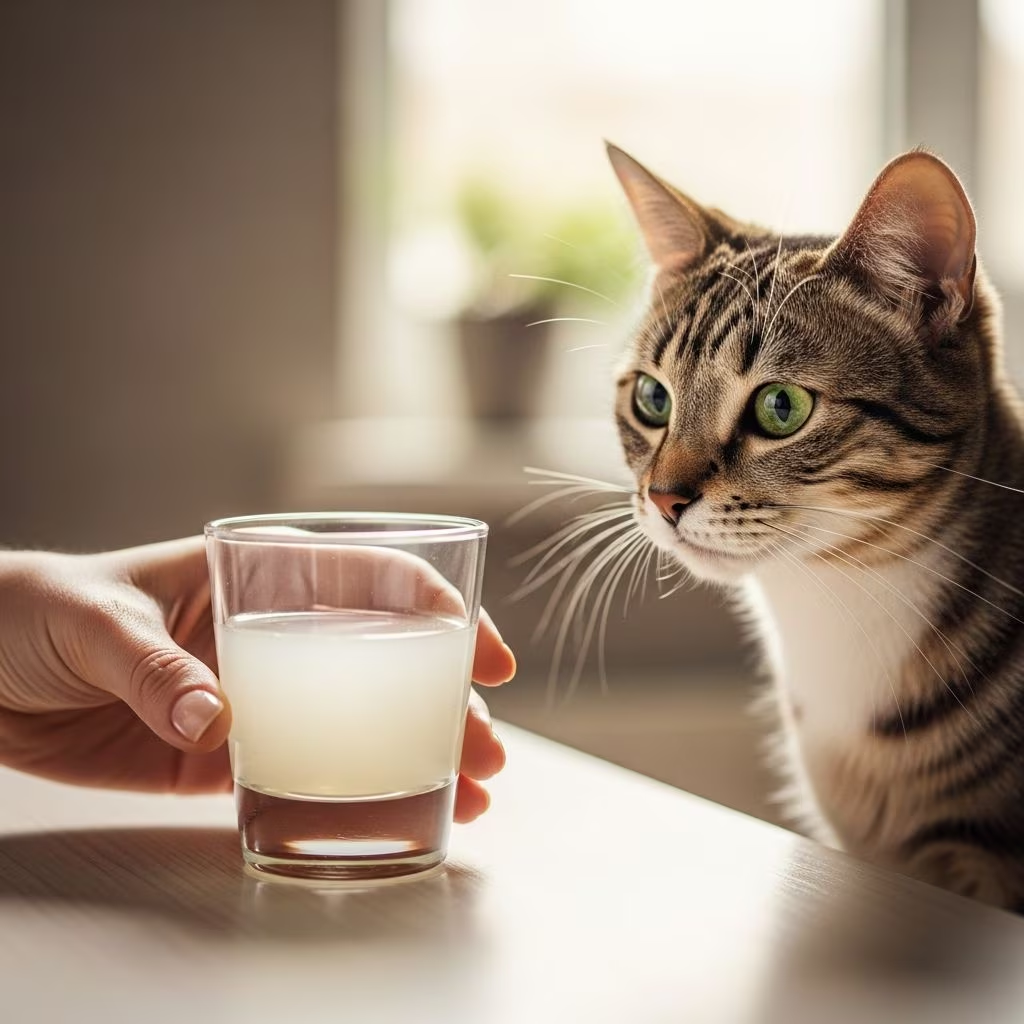
Unflavored Pedialyte can be safely given to cats in moderation to help with mild dehydration, providing essential electrolytes when a cat refuses water or is ill.
Pedialyte, originally formulated for human infants, helps restore fluids and minerals lost due to vomiting, diarrhea, or heat. While non-toxic for felines, it must be used carefully as it’s not designed specifically for cats. This comprehensive guide covers its composition, safe use, dehydration causes, administration tips, risks, and alternatives.
What Is Pedialyte?
Pedialyte is an oral electrolyte solution developed to prevent dehydration in children, particularly after gastrointestinal issues. It comes in liquid, powder, and freezer pop forms, with various flavors and formulations.
The classic unflavored version contains water, dextrose (a sugar), sodium chloride, potassium citrate, and sodium citrate. These ingredients replenish electrolytes like sodium and potassium, crucial for hydration balance. Dextrose provides quick energy without overwhelming the system, unlike sugary sports drinks.
For cats, only the unflavored, classic Pedialyte is recommended. Flavored options add sugars that can exacerbate dehydration or cause stomach upset, while sugar-free varieties may include xylitol, which is toxic to cats and can lead to hypoglycemia or liver failure.
Can Cats Drink Pedialyte?
Yes, cats can drink unflavored Pedialyte safely in small amounts for short-term mild dehydration. It’s particularly useful for kittens or adult cats not drinking water due to illness.
Veterinarians sometimes recommend it off-label because cats lack scientific dosing studies for human products. Anecdotal vet advice supports 1-2 teaspoons every 1-2 hours, adjusted for size and dehydration level, but always confirm with a vet first. It’s not a daily supplement but a temporary aid.
How to Tell If Your Cat Is Dehydrated
Dehydration in cats occurs when the body loses more fluids than it takes in, disrupting electrolyte balance. Early detection is vital to prevent organ stress.
Common signs include:
- Skin tenting: Gently pinch the skin on your cat’s neck or back; it should snap back instantly. If it stays tented, dehydration is likely.
- Dry, sticky gums: Normal gums are moist and pink, blanching pink again within 2 seconds when pressed.
- Sunken eyes or lethargy: Cats may seem weak, hide more, or have reduced appetite.
- Reduced urine output: Dark, concentrated urine or infrequent urination.
- Loss of skin elasticity: Overall tacky skin feel.
Mild dehydration can be managed at home with Pedialyte, but moderate to severe cases (e.g., eyes deeply sunken, rapid heartbeat) require immediate vet care for subcutaneous or IV fluids.
What Causes Dehydration in Cats?
Several factors can trigger dehydration in felines, often linked to illness, environment, or age.
- Vomiting and diarrhea: Common from infections, parasites, or dietary indiscretion, leading to rapid fluid loss.
- Heat exposure or overheating: Outdoor cats in hot weather or those without cool shelter pant, drool, and lose fluids.
- Kidney disease: Chronic condition impairs water retention; cats drink more but still dehydrate. Pedialyte may help daily under vet guidance.
- Refusal to drink: Due to stress, pain, dental issues, or illness making water unappealing.
- Diabetes or hyperthyroidism: Increase urination, depleting fluids.
Indoor cats in air-conditioned homes during summer or those on dry food diets are at higher risk if water intake is low.
Is Pedialyte Safe for Cats?
Unflavored Pedialyte is generally safe and non-toxic for cats when used moderately. It effectively replaces lost electrolytes without harm.
However, safety caveats include:
- Flavored/sugar-free versions: Avoid due to added sugars worsening GI issues or toxic sweeteners like xylitol.
- Zinc content: Pedialyte has trace zinc, essential but toxic in excess. Overdose is rare but possible with large amounts.
- Sodium/potassium levels: Human formula may overload cats with kidney, heart, or hypertension issues.
Short-term use (1-2 days) for mild cases is ideal; long-term requires vet monitoring.
How to Administer Pedialyte to Cats
Administer slowly to avoid overwhelming the stomach. Use a clean syringe or dropper for precision.
General Dosage Guidelines (Vet-Approved Anecdotal):
| Cat Weight | Dose per Feeding | Frequency |
|---|---|---|
| Kitten (<5 lbs) | 1-2 tsp (5-10 ml) | Every 1-2 hours |
| Adult (5-10 lbs) | 1-2 tbsp (15-30 ml) | Every 2-3 hours |
| Large (>10 lbs) | 2-4 tbsp (30-60 ml) | Every 2-4 hours |
Dosage: ~3 ml per pound of body weight, up to 3 times daily. Adjust based on response and vet advice.
- Dilute 50/50 with water if too concentrated for kittens.
- Offer in a shallow bowl or syringe into the side of the mouth.
- Monitor for acceptance; mix with wet food if refused.
- Stop if vomiting occurs and seek vet help.
Warm slightly to body temperature for better palatability.
Are There Any Potential Health Risks?
While safe, risks exist with improper use:
- Gastrointestinal upset: Too much sugar or rapid intake can cause more vomiting/diarrhea.
- Electrolyte imbalance: Excess sodium/potassium risky for kidney patients.
- Zinc toxicity: Unlikely but monitor for vomiting, lethargy if overused.
- Delaying vet care: Using Pedialyte for severe dehydration delays professional treatment.
Always prioritize vet consultation, especially for underlying conditions.
Alternatives to Pedialyte for Cats
Vet-formulated options are preferable:
- Prescription electrolytes: Like Lectade or Royal Canin Rehydration Support.
- Bone broth or tuna water: Low-sodium, diluted for appeal.
- Wet food: High-moisture canned food boosts intake.
- Subcutaneous fluids: Home-administered under vet instruction for chronic cases.
Fountains encourage drinking; flavor water with chicken broth (no onion/garlic).
When to See a Vet
Seek immediate care if:
- Dehydration persists >24 hours or worsens.
- Symptoms include collapse, seizures, or bloody stool.
- Cat has pre-existing conditions like CKD.
- No improvement after 12 hours of home rehydration.
Vets can diagnose causes via bloodwork and provide tailored fluids.
Frequently Asked Questions (FAQs)
Can cats drink flavored Pedialyte?
No, avoid flavored versions due to sugars and potential toxins like xylitol. Stick to unflavored classic only.
How much Pedialyte can I give my cat?
1-2 tsp every 1-2 hours for small cats, up to 3 ml/lb body weight 3x/day. Consult vet for exact dosing.
Is Pedialyte safe for kittens?
Yes, diluted for young kittens with mild dehydration, but vet approval essential.
Can I give Pedialyte to cats with kidney disease?
Possibly in moderation under vet supervision due to sodium content; alternatives may be better.
How long can I give my cat Pedialyte?
Short-term (1-2 days) for mild cases; longer use needs vet monitoring.
Pedialyte offers a quick rehydration boost for cats, but it’s no substitute for professional care. Monitor closely and consult your vet for personalized advice.
References
- Can Cats Drink Pedialyte? Vet Approved Advice – Catster — Catster. 2023. https://www.catster.com/cat-health-care/can-cats-drink-pedialyte/
- Can Cats Drink Pedialyte? Vet Approved Facts & FAQ – Hepper — Hepper. 2023. https://articles.hepper.com/can-cats-drink-pedialyte/
- Is My Cat Dehydrated? How to Spot Dehydration in Cats — Williams Vet Wellness. 2023. https://www.williamsvetwellness.com/services/cats/blog/my-cat-dehydrated-spotting-dehydration-cats-and-promoting-healthy-drinking
- Can I give Pedialyte to my cat with kidney disease — Dial a Vet. 2023. https://www.dialavet.com/vet-answers/cat-kidney-disease-pedialyte-safety-19577



