

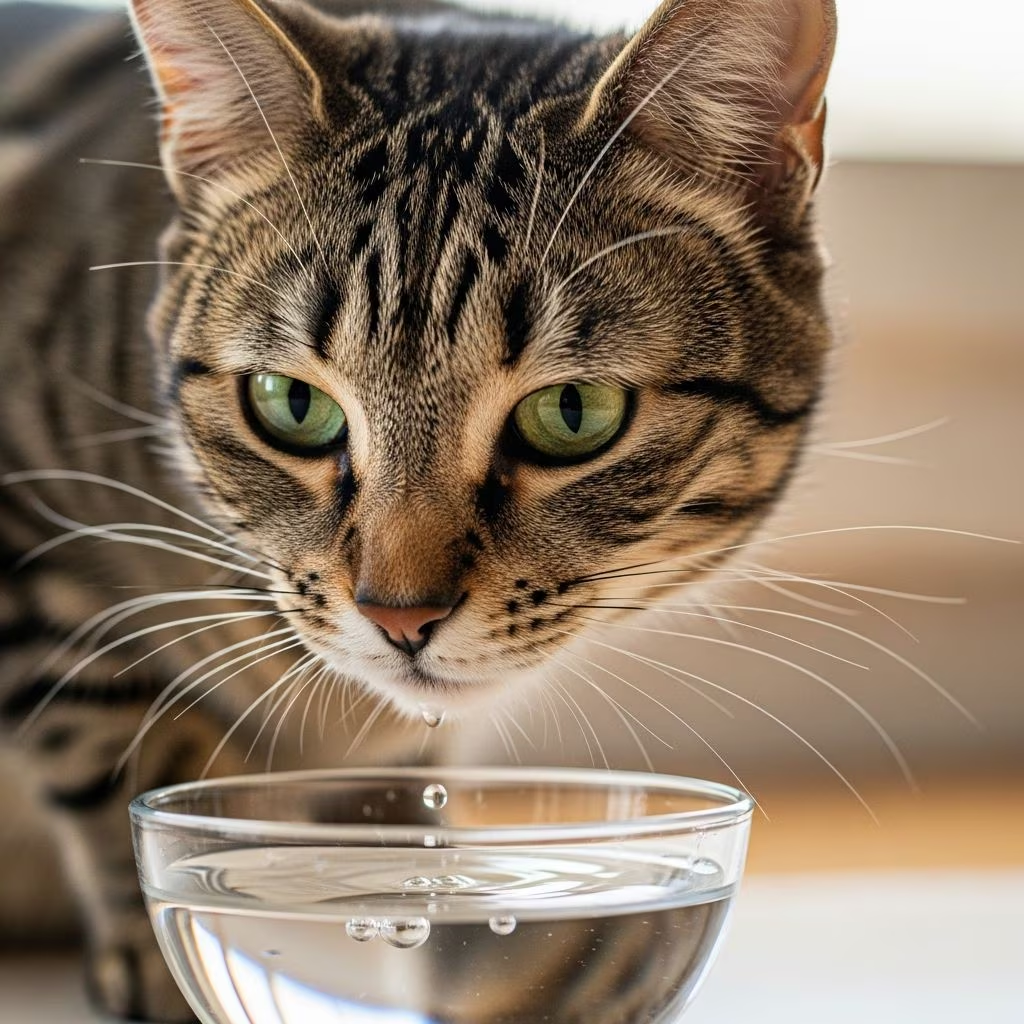
Cats can drink mineral water in moderation, but it’s not the ideal daily choice due to varying mineral content that may upset their sensitive digestive systems or contribute to long-term health issues like urinary problems.
While tap water is generally safe in most areas, mineral water’s naturally occurring minerals—such as calcium, magnesium, and sodium—can be beneficial in small amounts but excessive levels might lead to imbalances, especially for cats prone to kidney or urinary tract issues. Filtered or spring water often provides a safer, more balanced option for feline hydration.
Why Hydration Matters for Cats
Hydration is critical for cats, who are descendants of desert-dwelling felines with low thirst drives. Water supports kidney function, digestion, circulation, body temperature regulation, and toxin flushing. Dehydration risks include constipation, urinary tract infections (UTIs), and chronic kidney disease (CKD), a leading cause of death in cats over 10 years old, affecting more than 30%.
Cats eating dry kibble get only about 10% of their water needs from food, making fresh drinking water essential. Inadequate intake exacerbates urinary crystals or stones, particularly in males with narrower urethras. Signs of dehydration include tacky gums, lethargy, sunken eyes, and skin that doesn’t snap back when pinched.
- Daily water needs: Approximately 3.5 ounces per 5 pounds of body weight, varying by diet and activity.
- Benefits of good hydration: Lustrous coat, healthy digestion, optimal organ function, and disease prevention.
Encouraging drinking through cat fountains, multiple bowls, or wet food boosts intake significantly.
What Exactly Is Mineral Water?
Mineral water originates from protected underground sources, containing at least 250 parts per million (ppm) of naturally occurring minerals like calcium, magnesium, bicarbonate, and sulfates. Unlike purified or tap water, it retains these minerals without added treatments beyond basic filtration.
Types include still (non-carbonated) and sparkling mineral water. Brands like Mountain Valley Spring Water offer naturally alkaline options (pH around 7.3) with trace minerals beneficial for bone and cardiovascular health in humans—and potentially pets. However, mineral levels vary widely: some have high sodium (over 200 mg/L), which isn’t ideal for cats.
| Type | Total Dissolved Solids (TDS) | Key Minerals | Suitability for Cats |
|---|---|---|---|
| Low-Mineral | <500 ppm | Balanced Ca, Mg | Generally safe in moderation |
| High-Mineral | >1000 ppm | High Na, SO4 | Avoid; risk of digestive upset |
| Spring Water | 250-1000 ppm | Natural traces | Preferred alternative |
Always check labels for sodium content under 20 mg/L for pet safety.
Can Cats Safely Drink Mineral Water?
In small amounts, yes—mineral water is safe if low in sodium and other additives. Cats tolerate it similarly to spring water, which is safe for all pets and used historically for racehorses. The natural minerals can support electrolyte balance, unlike demineralized distilled water, which lacks essentials and isn’t recommended long-term.
However, high-mineral content may cause mild diarrhea, bloating, or reluctance to drink due to taste. Cats with CKD, heart disease, or on low-sodium diets should avoid it entirely, as excess minerals strain kidneys. Veterinary consensus: occasional use is fine, but not a staple.
Pros and Cons of Mineral Water for Cats
Pros
- Natural minerals: Calcium and magnesium aid bone health and hydration taste appeal.
- Alkaline pH: Around 7.3 may benefit urinary pH balance, reducing crystal formation.
- Pure source: Free from municipal chlorine/chloramine, which can irritate stomachs.
- Encourages drinking: Crisp flavor may entice picky cats over flat tap water.
Cons
- Variable composition: High sodium or sulfates can cause GI upset or thirst.
- Costly: Not economical for daily pet use compared to filters.
- Carbonation risk: Sparkling varieties cause gas, bloating; stick to still.
- Potential contaminants: Though rare, sourcing matters—opt for reputable brands.
Overall, benefits outweigh risks for healthy cats if low-mineral, but filtered tap often suffices.
Risks and Health Concerns
Excess minerals mimic tap water contaminants: heavy metals like lead from old pipes or PFAS chemicals stress kidneys and immunity. Chronic exposure links to CKD, GI issues (vomiting, diarrhea), and even cancer risks from by-products.
Cats’ smaller size amplifies effects—chlorine causes respiratory/digestive woes, fluoride thyroid/bone issues. Mineral water avoids these but introduces new variables. Monitor for symptoms: increased urination, lethargy, or coat dullness.
Best Alternatives to Mineral Water
Prioritize these for optimal cat hydration:
- Filtered tap water: Removes chlorine, lead; retains beneficial minerals. Use pitcher or under-sink systems.
- Spring water: Naturally mineral-balanced, delicious; safe for all pets.
- Cat water fountains: Circulating water mimics streams, boosting intake.
- Wet food: Provides 70-80% moisture; mix with dry for balance.
- Bottled purified: Avoid distilled; choose spring or low-TDS.
Test local tap via EPA reports; install filters if contaminants present.
How Much Water Should Cats Drink?
A 10-pound cat needs about 7-10 ounces daily, more in heat or illness. Track via bowl measurements; fountains help gauge. Factors: diet (wet > dry), age, health.
- Under-drinking signs: Concentrated urine, small frequent pees.
- Tips: Room-temp water, fresh daily changes, elevated bowls.
Frequently Asked Questions (FAQs)
Can cats drink tap water?
Yes, in most areas it’s safe, but filter to remove chlorine/impurities affecting taste and health.
Is distilled water okay for cats?
Not ideal long-term; lacks minerals, risking electrolyte imbalance.
What about sparkling mineral water?
Avoid; carbonation causes bloating, gas, discomfort.
Are water fountains beneficial?
Yes, they promote drinking with fresh, flowing water.
Does water quality affect cat urinary health?
Absolutely; contaminants contribute to stones/UTIs; clean sources prevent.
Conclusion
While cats can sip mineral water occasionally, prioritize filtered tap or spring for consistent, safe hydration. Consult vets for tailored advice, especially with health issues. Pure water supports vibrant feline life.
References
- Clean Drinking Water for Cats: What Every Cat Owner Should Know — Clean Water Store. 2023-05-15. https://www.cleanwaterstore.com/blog/clean-drinking-water-for-cats-what-every-cat-owner-should-know/
- Your Pets Should Drink Filtered Water — BOROUX. 2024-02-10. https://boroux.com/blogs/boroux-blog/why-your-pets-should-drink-filtered-water
- Pros and Cons of Using Water Additives For Cats — KittySpout. 2023-11-20. https://www.kittyspout.com/blogs/blog/pros-and-cons-of-using-water-additive-cats-for-fresh-breath-and-dental-health
- Spring Water for Pets: How Mountain Valley Keeps Your Furry Friends Hydrated — Mountain Valley Spring. 2024-01-05. https://www.mountainvalleyspring.com/blogs/news/spring-water-for-pets-how-mountain-valley-keeps-your-furry-friends-hydrated
- Cat & Dog Drinking Water: Which Water Sources Are Safe for Pets? — Hill’s Pet Nutrition. 2023-08-12. https://www.hillspet.com/pet-care/nutrition-feeding/pet-safe-water-sources
- Can Cats Drink Sparkling Water? 7 Key Facts to Know — All About Drink. 2024-03-18. https://allaboutdrink.blog/can-cats-drink-sparkling-water/



