

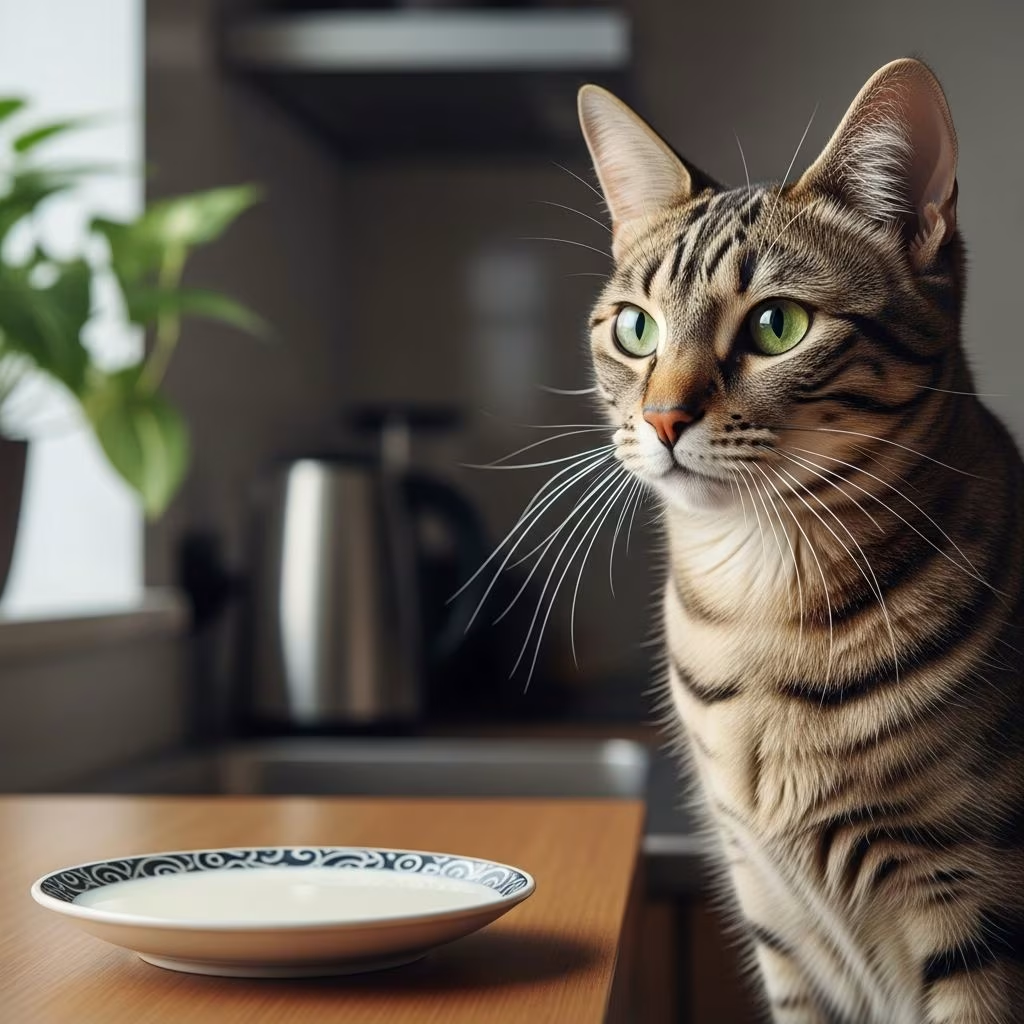
Can Cats Drink Milk? The Truth About Feline Nutrition
Every morning, your cat sits eagerly by the breakfast table, watching as you pour milk onto your cereal, hoping you might spill a drop or two. The attraction is clear—many cats love the taste and smell of milk. This common scene leads pet owners to wonder: Can cats actually drink milk? Will it make them sick? Is milk good for cats, or are cats lactose intolerant? Understanding the answers to these questions is essential for maintaining your feline friend’s health and well-being.
Is Milk Good for Cats?
The straightforward answer is no—cow’s milk is not good for cats. This conclusion stems from several important biological and nutritional factors. The most significant reason involves lactose, a natural sugar found in milk that cats struggle to process as they mature.
As cats grow from kittens into adults, they often lose the enzyme lactase, which is essential for properly breaking down milk. This condition, known as lactose intolerance, occurs naturally in cats and resembles lactose intolerance in humans. When cats without sufficient lactase consume milk, their bodies cannot adequately digest the lactose, leading to various digestive complications.
Beyond lactose concerns, cow’s milk presents additional dietary problems. Milk contains substantial amounts of fat, and many cats are prone to obesity. Regular milk consumption adds unnecessary fats and sugars to your cat’s diet, creating nutritional imbalance and increasing the likelihood that your pet will become overweight. This is particularly concerning since obesity in cats can lead to serious health conditions including diabetes, joint problems, and heart disease.
While moderation matters, serving guidelines suggest that even non-lactose-intolerant cats should consume only minimal amounts of milk. A teaspoon of milk once or twice weekly may not cause harm if your cat is not lactose intolerant, but larger quantities or more frequent servings can contribute to long-term health problems.
Is Your Cat Lactose Intolerant?
Understanding whether your cat is lactose intolerant requires knowledge of feline digestive biology. Most cats do develop lactose intolerance as they mature due to decreased production of lactase, the enzyme responsible for digesting milk sugar.
How Lactose Intolerance Develops
When lactase levels drop, undigested lactose passes through the intestinal tract. As lactose travels through the digestive system, it pulls water into the intestines, potentially causing diarrhea. Additionally, bacteria in the colon consume the influx of undigested sugars, producing gas that leads to bloating and discomfort. This combination of factors can trigger vomiting, diarrhea, abdominal pain, and general gastrointestinal upset.
Recognizing Lactose Intolerance Symptoms
If your cat displays vomiting, diarrhea, and gas within approximately 12 hours of consuming a milk product, your cat is most likely lactose intolerant. Most cases of feline lactose intolerance are self-limiting, meaning they resolve without treatment within 24 hours. However, dehydration can become a serious concern if symptoms persist or are severe.
Monitor your cat carefully during this period. If your cat continues feeling sick beyond 24 hours, vomits so severely that water cannot be retained, or displays particular lethargy, seek veterinary care immediately. These signs may indicate dehydration or other complications requiring professional intervention.
Can Cats Drink Milk Alternatives?
Since traditional cow’s milk is problematic for cats, many pet owners wonder about plant-based and nut-based alternatives. Unfortunately, these options are also not recommended for feline consumption.
Why Plant-Based Milks Are Unsuitable
Oat milk, soy milk, almond milk, and coconut milk all present concerns for cats:
| Milk Type | Primary Concern |
|---|---|
| Oat Milk | High fat content leading to obesity |
| Soy Milk | Sugars, oils, and thickeners difficult to digest |
| Almond Milk | Additives and preservatives hard for cats to digest |
| Coconut Milk | High fat content and added salt concerns |
These alternative milks often contain additives, preservatives, sugars, oils, and thickeners that cats’ digestive systems cannot efficiently process. Some contain added salt, which may be problematic for cats with hypertension or renal disease. The bottom line is that none of these alternatives provide nutritional benefits for cats and may cause gastrointestinal upset.
Can Kittens Have Milk?
Kittens present a different scenario than adult cats. Young kittens can happily drink milk without signs of distress, but only specific types are appropriate.
Mother’s Milk and Early Development
Kittens are born with the complete ability to process cat milk produced by their mothers. This natural milk provides essential nutrients for growth and development. However, as kittens wean and begin eating solid foods they will consume as adults, they gradually lose the enzymes necessary to process milk. This transition typically occurs around 8 weeks of age, coinciding with the weaning process.
Why Cow’s Milk Is Dangerous for Kittens
Kittens cannot safely consume milk from cows, sheep, goats, or any non-feline species. Cow’s milk lacks the specific nutritional composition that kittens require. Feeding cow milk to young kittens can cause rapid diarrhea and dehydration, which can be life-threatening in very small kittens.
Kitten Milk Replacers
For orphaned kittens or those requiring supplementation, specially formulated kitten milk replacers are the only appropriate option. Products such as PetAg KMR liquid milk supplement and PetAg KMR powder milk supplement have been designed to mimic cat’s milk as closely as possible, providing the proper nutritional balance kittens need. Even similar products formulated for dogs are unsuitable for kittens, who have very specific and distinct nutritional requirements that differ significantly from canine needs.
Why Do Cats Crave Milk Despite the Problems?
Many pet owners find it puzzling that cats continue to love milk despite its negative effects on their digestive systems. There are several biological and behavioral reasons for this seemingly contradictory preference.
Sensory Appeal
Cats are attracted to milk’s cold temperature, freshness, and distinctive taste and smell. These sensory characteristics make milk appealing to felines regardless of its digestive consequences.
Emotional Connection
Cats form positive associations with milk from their kittenhood when they nursed from their mothers. This early experience creates a comfort food association that persists into adulthood. The familiar taste and smell trigger memories of maternal care and comfort, even though adult cats cannot properly digest milk.
Hydration Preference
Cats need adequate liquid intake for optimal health. Some cats naturally prefer milk to water and may choose milk as their primary fluid source if available. This preference for milk over water, while understandable from a cat’s perspective, creates problems for their digestive and metabolic health.
Inability to Link Cause and Effect
Importantly, cats cannot connect cause and effect, meaning they never make the association between drinking milk and the digestive distress that follows hours later. Your cat will not learn to avoid milk due to its negative effects. As a responsible pet owner, you must make this connection and protect your cat from consuming milk by preventing access and offering appropriate alternatives.
Healthy Alternatives to Milk
Since milk is not appropriate for cats, what can you offer your feline companion? Fresh, clean water remains the best hydration option for adult cats. This should be your cat’s primary beverage throughout the day.
If you want to provide occasional treats or additional hydration options, consider cat-specific products formulated for feline nutritional needs. Some commercially available lactose-free cat milks exist, though these should be occasional treats rather than staples. Always consult your veterinarian before introducing any new food or beverage to your cat’s diet to ensure it aligns with your individual cat’s health profile and nutritional requirements.
Frequently Asked Questions
Q: Are all cats lactose intolerant?
A: No, not all cats are lactose intolerant. However, most cats develop lactose intolerance as they mature. Some individual cats may retain the ability to digest lactose into adulthood, but this is less common. Even cats that can tolerate lactose should not consume milk regularly due to its high fat content and lack of nutritional balance.
Q: How much milk can I safely give my cat?
A: If your cat is confirmed non-lactose-intolerant and you choose to offer milk, limit it to one teaspoon once or twice per week maximum. Larger quantities or more frequent servings can lead to obesity and nutritional imbalance over time.
Q: What are the signs of lactose intolerance in cats?
A: Signs typically appear within 12 hours of milk consumption and include vomiting, diarrhea, abdominal pain, and gas. Most mild cases resolve within 24 hours without treatment.
Q: Can I give my kitten regular cow’s milk?
A: No. Kittens should never receive cow’s milk. Only mother’s milk or specially formulated kitten milk replacer is appropriate for young kittens. Cow’s milk can cause rapid dehydration and diarrhea in kittens.
Q: What should I do if my cat accidentally drinks milk?
A: Monitor your cat for signs of digestive upset over the next 24 hours. If mild symptoms develop, they typically resolve on their own. Ensure your cat has access to water. If symptoms persist beyond 24 hours or are severe, contact your veterinarian.
Q: Are there any benefits to giving cats milk?
A: No. There are no nutritional benefits to giving cats milk. A balanced, age-appropriate complete cat diet provides all necessary nutrients. Milk adds unnecessary fats and sugars without providing essential nutrients cats cannot get from proper cat food.
Conclusion
While the image of a cat lapping milk from a saucer persists in popular culture, the reality is that cow’s milk is not appropriate for most adult cats. The combination of lactose intolerance, high fat content, and lack of nutritional balance makes milk a poor dietary choice for feline companions. Even though kittens can tolerate milk during their earliest weeks, they quickly lose this ability and should never receive cow’s milk at any age.
Understanding your cat’s nutritional needs and dietary limitations allows you to make informed decisions that support their long-term health and well-being. Fresh water remains the best beverage for cats of all ages, and a nutritionally complete cat food formulated for your cat’s specific life stage provides all necessary nutrients. When in doubt about your cat’s diet, consult your veterinarian for personalized recommendations based on your individual cat’s health status and nutritional requirements.
References
- Can Cats Drink Milk? — PetMD. 2024. https://www.petmd.com/cat/nutrition/can-cats-drink-milk
- Vet Q&A: Can cats drink milk? — PDSA (People’s Dispensary for Sick Animals). 2024. https://www.pdsa.org.uk/what-we-do/blog/vet-qa-can-cats-drink-milk
- The Truth About Dairy Products and Pets — PetMD. 2024. https://www.petmd.com/cat/conditions/digestive/truth-about-dairy-products-and-pets
- Can Kittens Drink Milk? — PetMD. 2024. https://www.petmd.com/news/view/can-kittens-drink-milk-37852
- Can Kittens & Cats Drink Milk? — Purina. 2024. https://www.purina.com/articles/cat/feeding/can-cats-eat/can-cats-drink-milk
- Cats and Milk: Lactose Intolerance and Other Dietary Concerns — WebMD Pets. 2024. https://www.webmd.com/pets/cats/features/cats-and-dairy-get-the-facts



