

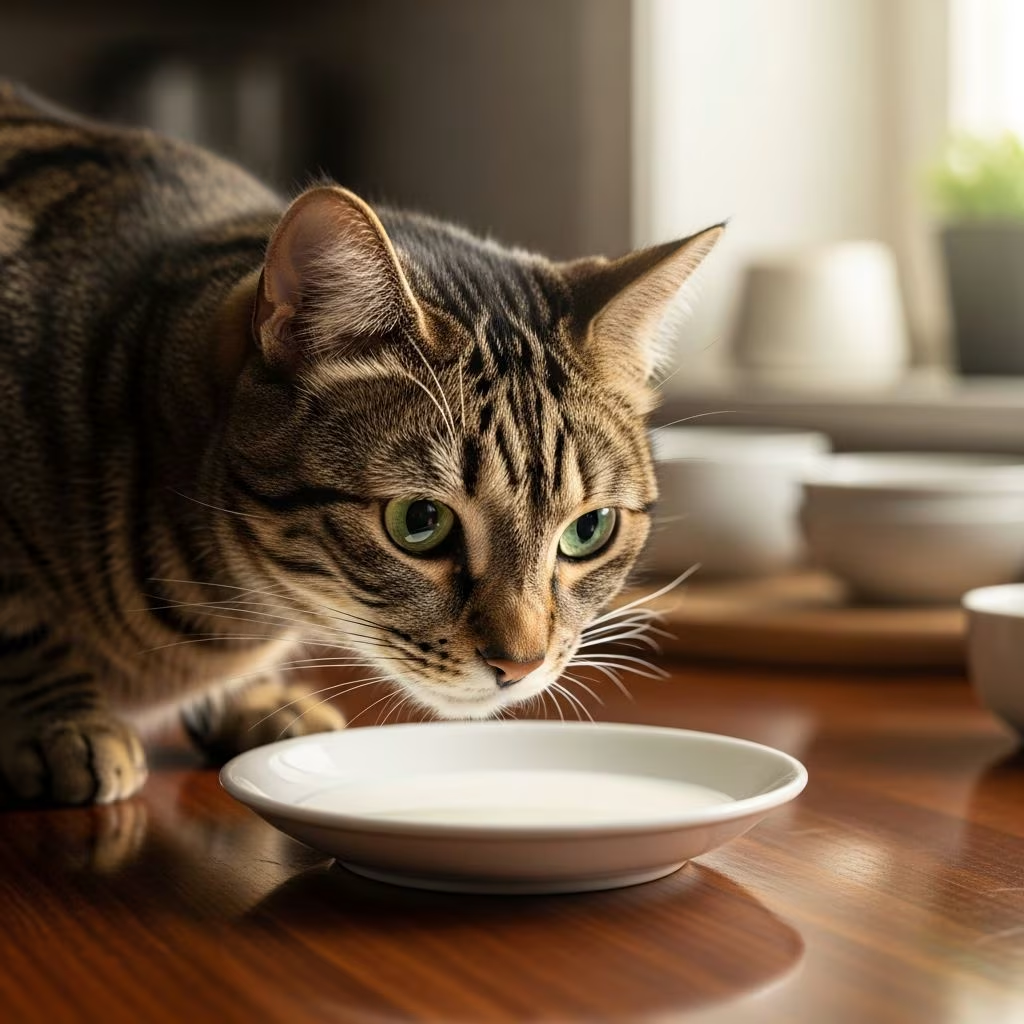
Can Cats Drink Milk? Understanding the Truth Behind a Common Myth
The image of a cat contentedly lapping up a bowl of milk is iconic in popular culture, featured in countless cartoons, movies, and children’s books. However, this charming image doesn’t reflect the reality of feline nutrition and digestive health. While technically adult cats can consume milk, the reality is that most cats really shouldn’t. Understanding why requires diving into the science of cat nutrition, lactose intolerance, and what veterinarians recommend for your furry companions.
The truth is straightforward: many cats are lactose intolerant, and consuming milk can result in serious digestive distress. When a lactose-intolerant cat drinks milk, they often suffer negative consequences similar to what a human with lactose intolerance would experience. The stakes are particularly high because cat owners are essentially “rolling the dice” each time they offer milk, uncertain whether their feline friend will experience mild discomfort or something far more serious like severe diarrhea.
Understanding Cat Nutrition and Milk
Cats have unique dietary requirements that differ significantly from humans and even from other pets like dogs. As obligate carnivores, cats require specific nutrients that come primarily from meat-based sources. Their nutritional needs include high levels of protein, certain fatty acids like taurine and arachidonic acid, vitamins, and minerals.
While milk does contain some beneficial nutrients such as calcium and vitamins, including vitamin D, potassium, and vitamin B-12, these nutrients are not necessary for a cat’s diet, especially when cats are already consuming balanced commercial cat food formulated to meet feline nutritional requirements. Modern cat foods are specifically designed to provide all the essential nutrients cats need to thrive, making supplemental milk unnecessary for optimal health.
The Truth About Cats and Lactose
The fundamental issue with cats and milk centers on lactose, the naturally occurring sugar found in milk. Kittens have an enzyme called lactase that helps them digest lactose found in their mother’s milk during nursing. This enzyme is essential for newborn kittens to extract nutrition from their mother’s milk during the critical early weeks of life.
However, as cats mature and progress through weaning, something remarkable happens: they typically produce progressively less lactase. Many cats lose the ability to produce sufficient lactase enzyme needed to digest lactose after weaning, making them lactose intolerant. This is actually a completely normal biological process. Unlike humans who maintain lactase production into adulthood in some populations, most cats naturally lose this ability as they transition from nursing to eating solid foods. This transition typically begins around 4 to 5 weeks of age and is complete by the time kittens reach 8 to 10 weeks old.
Downsides of Milk for Cats
Offering milk to cats can trigger a range of unpleasant and potentially serious health issues. Understanding these downsides helps explain why veterinarians universally discourage giving milk to cats:
Digestive Issues from Lactose Intolerance
Lactose-intolerant cats may experience several digestive problems when consuming milk or dairy products. The most common reactions include:
– Gas and bloating- Vomiting- Loose stool or diarrhea- Upset stomach- Abdominal pain- Potential dehydration from diarrhea
Diarrhea presents a particularly serious concern for kittens. Because kittens are small, they can become dehydrated very quickly from diarrhea, leading to serious health complications if left untreated. Even brief bouts of diarrhea can pose significant risks to young, developing cats.
Casein Protein Issues
Beyond lactose, some cats may have difficulty digesting casein, the primary protein found in cow’s milk. The proportions of casein and whey proteins in cow’s milk differ significantly from the composition of cat mother’s milk, making cow’s milk poorly suited to feline digestive systems even apart from lactose concerns. Cats with dairy allergies may experience additional symptoms beyond typical lactose intolerance, including red or itchy skin.
Weight Gain and Obesity
Milk contains substantial amounts of fat and calories. A single cup of full-fat milk contains approximately 150 calories. For perspective, while humans need about 2,000 calories daily, an average house cat requires only around 200 calories per day. This means one saucer of milk represents the caloric equivalent of an entire 12-inch pizza for a human. The high fat content in milk makes it an extremely calorie-dense treat that can quickly contribute to weight gain and obesity in cats, which brings additional health complications. Additionally, milk is not a balanced substitute for regular feline nutrition, so it provides empty calories without balanced nutrient profiles.
Why Cats Like Milk Despite the Risks
If milk is problematic for cats, why are so many drawn to it? Cats are attracted to milk primarily because they find it palatable. The appeal stems from the protein and fat content in milk. Cats’ taste preferences evolved to seek out nutrient-dense foods, and milk’s high protein and fat concentrations trigger their natural feeding instincts. However, just because cats enjoy something doesn’t mean it’s safe or healthy for them—a principle important for all pet owners to remember.
Milk for Kittens: A Special Consideration
Kittens require specific nutritional support during their early development, but cow’s milk is not the appropriate choice. When kittens are separated from their mother—whether they’re abandoned or from feral populations—they require specially formulated milk replacer, not cow’s milk. Milk replacers are specifically designed to mimic the nutritional composition of mother cat’s milk and contain the essential nutrients kittens need for proper development and overall health.
Kittens should receive milk replacer until at least 4 to 5 weeks of age. Cow’s milk doesn’t provide the necessary nourishment for kitten health and can cause digestive upset. Once kittens reach 8 to 10 weeks old and are eating solid foods, they no longer require milk of any kind and should transition exclusively to kitten food formulated to support their growth and development.
What Happens If a Cat Drinks Too Much Milk?
The consequences of excessive milk consumption in cats can range from mildly uncomfortable to serious:
– Milk’s high fat content causes weight gain and potential obesity- Overdoing milk consumption interferes with maintaining a balanced diet- Lactose-intolerant cats experience gas, diarrhea, vomiting, and abdominal pain- Dairy-allergic cats may experience the above symptoms plus red or itchy skin- Kittens can develop diarrhea and become dehydrated rapidly- Cats may develop an unhealthy preference for milk over water
Alternatives to Cow’s Milk for Cats
Lactose-Free Milk Options
For cats who tolerate dairy products and genuinely enjoy milk, lactose-free milk alternatives provide a safer option. Lactose-free cat milk supplements have most of the lactose removed and often include essential cat nutrients like taurine, making them a more appropriate choice than regular cow’s milk. These supplements may also contain the lactase enzyme that breaks down any remaining lactose, preventing digestive upset.
Almond Milk
Almond milk presents another alternative for cats who enjoy milk-like beverages. Almond milk contains no lactose, making it safer than dairy milk for lactose-intolerant cats. It also provides omega-3 fatty acids, which are beneficial heart-healthy fats for felines just as they are for humans. Almond milk is low in carbohydrates, and when unsweetened, it won’t affect your cat’s blood sugar levels. However, almond milk should never replace water or appropriate feline nutrition—it’s suitable only as an occasional treat.
Other Plant-Based Milk Alternatives
While various plant-based milks exist, most are not ideal for cats. Soy milk, though not necessarily toxic, lacks nutritional value appropriate for the feline diet. Coconut milk and other plant-based options tend to be high in fats and oils that typically lead to upset stomachs and potential obesity issues in cats. Chocolate milk is absolutely prohibited—chocolate contains caffeine and theobromine, which can cause vomiting, diarrhea, increased heart rate, low blood pressure, seizures, and even cardiac failure in cats.
When to Consider Milk Supplement for Your Cat
Specialized milk supplements formulated for cats can serve specific purposes under certain circumstances:
Weight Gain Support
Cats who need to gain weight or those experiencing health issues that make eating solid foods difficult may benefit from veterinarian-recommended lactose-free cat milk supplements. These products are designed specifically to support cats’ nutritional needs while providing additional calories in an easily digestible form.
Health Issues and Appetite Concerns
Senior cats, cats recovering from illness, or those with dental problems may find milk supplements easier to consume than solid food. Always consult with your veterinarian before introducing supplements to ensure they’re appropriate for your specific cat’s health situation.
Nutritional Enhancement
Quality cat milk supplements contain essential nutrients specifically formulated for feline health, including taurine, vitamins, and minerals that support various bodily functions.
The Bottom Line on Cats and Milk
Despite the romantic image of cats happily drinking milk, the veterinary consensus is clear: most cats should not consume cow’s milk. The reality of widespread lactose intolerance in adult cats makes regular cow’s milk inappropriate for feline diets. For the rare unusual cat who doesn’t react negatively to cow’s milk, an extremely small amount of whole, skim, or low-fat milk once in a while might be acceptable—but this is not recommended as a regular practice.
Ideally, adult cats should stick exclusively with lactose-free milk substitutes if milk-like treats are desired. Kittens should only receive their mother’s milk or specially formulated milk replacer, never cow’s milk. Water should always remain the primary beverage for cats of all ages, and balanced commercial cat food should provide all necessary nutrition.
Frequently Asked Questions About Cats and Milk
Q: Can kittens drink cow’s milk?
A: No. Kittens should never be given cow’s milk. The best nutrition for nursing kittens comes from their mother’s milk. For orphaned or feral kittens, specialized milk replacer formulated to match mother cat’s milk composition should be used until at least 4 to 5 weeks of age. Cow’s milk lacks the proper nutritional balance and can cause digestive upset in developing kittens.
Q: Is lactose-free milk safe for cats?
A: Yes, lactose-free milk designed for cats is a much safer option than regular cow’s milk. These products have most lactose removed and often contain added nutrients like taurine that benefit feline health. However, it should still be given only as an occasional treat, not as a regular beverage or meal replacement.
Q: What are signs my cat is lactose intolerant?
A: Signs of lactose intolerance in cats include diarrhea, vomiting, gas, bloating, upset stomach, and abdominal pain. These symptoms typically appear within a few hours of consuming milk. If your cat experiences these symptoms after drinking milk, avoid giving milk products in the future.
Q: Can almond milk be given to cats?
A: Yes, unsweetened almond milk can be given to cats occasionally as a treat. It contains no lactose and provides beneficial omega-3 fatty acids. However, it should never replace water or proper cat food and should only be offered infrequently.
Q: How much milk can a cat safely consume?
A: Very small amounts—a few drops—offered very infrequently are safest. Milk should never be given daily or in quantity. For most cats, it’s best to avoid milk entirely and offer water instead. Always consult your veterinarian about your specific cat’s dietary needs.
Q: Why don’t cats need milk for calcium if they’re not eating dairy?
A: High-quality commercial cat foods are formulated to provide all necessary calcium and other minerals cats need for optimal health. Cats obtain sufficient calcium from their regular diet without requiring supplemental milk. This is why milk is not necessary for feline nutrition.
Q: What should I give my cat instead of milk?
A: Water is the best and only beverage cats need. For occasional treats, you might offer unsweetened almond milk or veterinarian-recommended lactose-free cat milk supplements in very small amounts. Always prioritize fresh water availability and balanced cat food as your cat’s primary nutrition.
References
- Can Kittens & Cats Drink Milk? — Purina, 2024. https://www.purina.com/articles/cat/feeding/can-cats-eat/can-cats-drink-milk
- Can Cats Drink Milk? — Chewy, 2024. https://www.chewy.com/education/cat/food-and-nutrition/nutrition-pet-diet-tips-can-cats-drink-milk
- Can Cats Have Milk? — Park Veterinary Hospital, 2024. https://parkvet.net/blog/can-cats-have-milk/
- Can Cats Drink Milk? — Triangle Animal Clinic, 2024. https://triangleanimalclinic.com/blog/can-cats-drink-milk/
- Is Milk Bad for Cats? — Whisker, 2024. https://www.whisker.com/blog/is-milk-bad-for-cats
- Can Cats Drink Milk and 5 Kitty Myths Debunked — Four Paws, 2024. https://www.fourpaws.com/pets-101/cat-corner/can-cats-drink-milk-and-5-kitty-myths-debunked
- Cats and Milk: Lactose Intolerance and Other Dietary Concerns — WebMD Pets, 2024. https://www.webmd.com/pets/cats/features/cats-and-dairy-get-the-facts



