

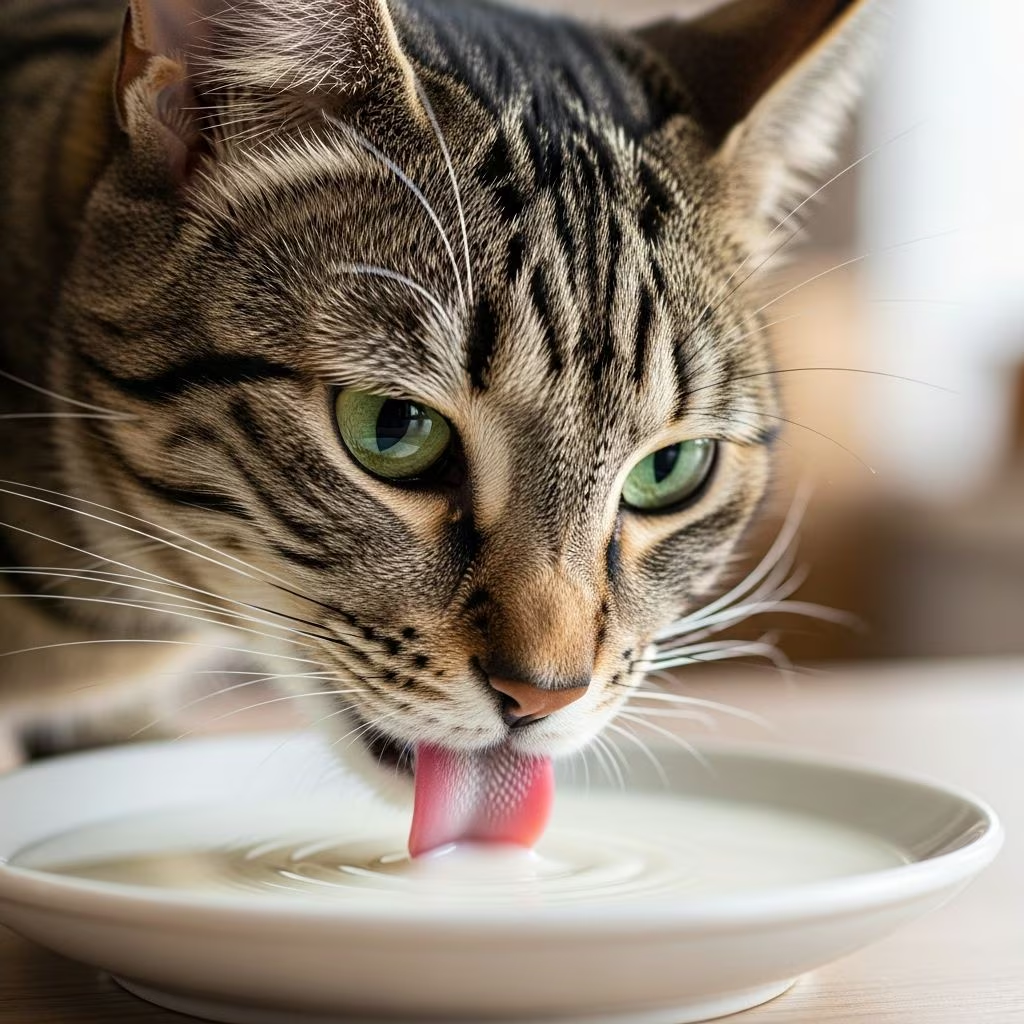
The classic image of a cat lapping up a saucer of milk is endearing, but it’s largely a myth rooted in outdated stories and cartoons. In reality, most adult cats cannot safely drink cow’s milk due to lactose intolerance, which develops after weaning. Kittens rely on their mother’s milk initially, but even they shouldn’t get cow’s milk. This comprehensive guide explores feline digestion, milk myths, health risks, and safer alternatives to keep your cat healthy and happy.
Quick Answer: Can Cats Drink Milk?
No, most adult cats should not drink milk. After weaning from their mother’s milk around 4-8 weeks, cats produce less lactase, the enzyme needed to digest lactose—the sugar in milk. This leads to lactose intolerance in about 70-90% of adult cats, causing diarrhea, vomiting, gas, and stomach pain. While a tiny lick occasionally might not harm a tolerant cat, regular milk offerings can lead to obesity, malnutrition, and chronic GI issues. Stick to water or vet-approved options.
Why Are Cats Lactose Intolerant?
Cats are obligate carnivores, evolved to get hydration and nutrients from prey, not dairy. Kittens produce ample lactase to digest mother’s milk, rich in proteins, fats, and antibodies tailored for felines. Weaning triggers a natural decline in lactase production as cats shift to solid meat-based foods. Cow’s milk, by contrast, has higher lactose levels (4-5%) than cat milk, overwhelming adult cats’ limited enzymes.
- Lactase decline: Post-weaning, lactase levels drop sharply; most cats retain only 10% of kitten-era production.
- Obligate carnivore diet: Cats derive water from food (70-80% moisture in prey), minimizing thirst drive.
- Individual variation: Rare cats (Siamese, some Persians) retain lactase into adulthood, but testing via small amounts is unwise without vet guidance.
Signs of intolerance mimic human lactose issues: bloating within 30 minutes, watery stools in 6-12 hours. Chronic exposure risks weight gain from milk’s 150 calories per cup—exceeding 10% of a cat’s daily needs.
What Happens If a Cat Drinks Milk?
Milk ferments undigested in the gut, drawing water and causing osmotic diarrhea. Symptoms peak 8-12 hours post-ingestion:
| Symptom | Description | Severity |
|---|---|---|
| Diarrhea | Loose, watery stools; potential dehydration | High |
| Vomiting | Expulsion of milk; nausea | Medium-High |
| Gas/Bloating | Abdominal distension, discomfort | Medium |
| Lethargy | Reduced activity from pain | Low-Medium |
Beyond acute upset, milk displaces balanced cat food, leading to taurine deficiency (heart/eye risks) or obesity from fats (8g per cup whole milk). Kittens face malnutrition if cow’s milk fills tiny stomachs, missing colostrum’s immunity boost.
Can Kittens Drink Milk?
Newborn kittens (0-4 weeks) thrive on mother’s milk or kitten milk replacer (KMR)—never cow’s milk, which has imbalanced casein:whey ratios and excess lactose. Weaning starts at 4 weeks with gruel (KMR-soaked kibble). By 8-10 weeks, full solid food; milk unnecessary.
- Ideal: Mother’s milk – Perfect nutrition, antibodies.
- Orphaned: KMR only – Formulas mimic cat milk (low lactose, high protein). Feed 8-12x/day initially.
- Avoid cow/goat milk: Causes diarrhea, stunts growth.
Overfed kittens on inappropriate milk risk ‘milk belly’—temporary but distressing bloat.
Can Cats Drink Milk Alternatives?
Plant-based or low-lactose milks seem appealing but fail feline needs. All add empty calories (10% daily max for treats) without taurine, arachidonic acid, or pre-formed vitamin A cats can’t synthesize.
Can Cats Have Almond Milk?
Lactose-free but carb-heavy (15g/cup), promoting diabetes in carb-sensitive cats. No protein/fat balance; xylitol-sweetened versions toxic.
Can Cats Have Goat Milk?
Lower lactose (4.1% vs. cow’s 4.7%) but still problematic; high fat/calories cause pancreatitis risk.
Can Cats Have Coconut Milk?
Fat overload (high saturated fats) triggers vomiting/diarrhea; no nutritional upside for carnivores.
Can Cats Have Soy Milk?
Phytoestrogens disrupt hormones; indigestible carbs cause gas. Not carnivore-appropriate.
Can Cats Have Lactose-Free Milk?
Eliminates sugar issue but retains excess fat/calories. Vet-formulated ‘cat milk’ (e.g., Whiskas Cat Milk) is safer—low-lactose, fortified—but still a treat, not staple. Consult vet; water best.
Can Cats Have Yogurt or Cheese?
Plain, low-fat yogurt (live cultures aid minor digestion) or hard cheese (low lactose) in micro-amounts for tolerant cats. Avoid flavored/sweetened.
Best alternatives: Wet cat food (78% moisture), fountains for fresh water, broth (low-sodium chicken/tuna).
Best Liquids for Cats Besides Water
Cats often ignore still water; tricks boost intake:
- Running water fountains: Mimic streams; increases drinking 2-3x.
- Wet food: Primary hydration source; choose AAFCO-approved.
- Chicken broth: Dilute, unsalted; warms appeal.
- Tuna water: Rinse from cans sparingly (mercury risk).
- Catnip tea: Steeped, cooled—no milk needed.
Monitor urine output; dehydration signs: tacky gums, sunken eyes. Annual vet checks essential.
Cat Nutrition Basics
Obligate carnivores need meat-derived nutrients:
- Protein: 26-40% (muscle maintenance).
- Fat: 20-40% (energy, omegas).
- Taurine: Heart/eye essential; absent in dairy.
- AAFCO seal: Ensures completeness.
Milk lacks these; balanced kibble/wet food suffices. Over-treats (incl. milk) cause 60% feline obesity.
Frequently Asked Questions (FAQs)
Can cats drink chocolate milk?
No—chocolate’s theobromine/caffeine causes vomiting, seizures, death. Toxic even small amounts.
Is lactose-free cat milk safe?
Yes, in moderation as treat; formulated for cats, low-calorie. Not daily replacement.
How much water should cats drink?
1-4 oz/day per 5 lbs body weight; more on dry food.
What if my cat loves milk but gets sick?
Switch permanently; dilute incidents with water, vet probiotics. Rare tolerance? Micro-doses max.
Best kitten milk replacer?
KMR (powder/liquid); feed per label, transition solids by week 4.
References
- Can Cats Drink Milk? — Hill’s Pet Nutrition. 2023. https://www.hillspet.com/cat-care/nutrition-feeding/can-cats-drink-milk
- Can Cats Have Milk? — Park Veterinary Hospital. 2024. https://parkvet.net/blog/can-cats-have-milk/
- Can Kittens & Cats Drink Milk? — Purina. 2024. https://www.purina.com/articles/cat/feeding/can-cats-eat/can-cats-drink-milk
- Is Milk Bad for Cats? — Whisker (Litter-Robot). 2023. https://www.whisker.com/blog/is-milk-bad-for-cats
- Is It Safe to Feed Milk to Cats? — Orange County Emergency Vet. 2024. https://orangecountyemergencyvet.com/is-it-safe-to-feed-milk-to-cats/
- Cats and Dairy: Get the Facts — WebMD Pets. 2023. https://www.webmd.com/pets/cats/features/cats-and-dairy-get-the-facts
- Can Cats Drink Cow’s Milk? — Allure Veterinary Partners. 2024. https://www.allureveterinarypartners.com/blog/can-cats-drink-cows-milk/



